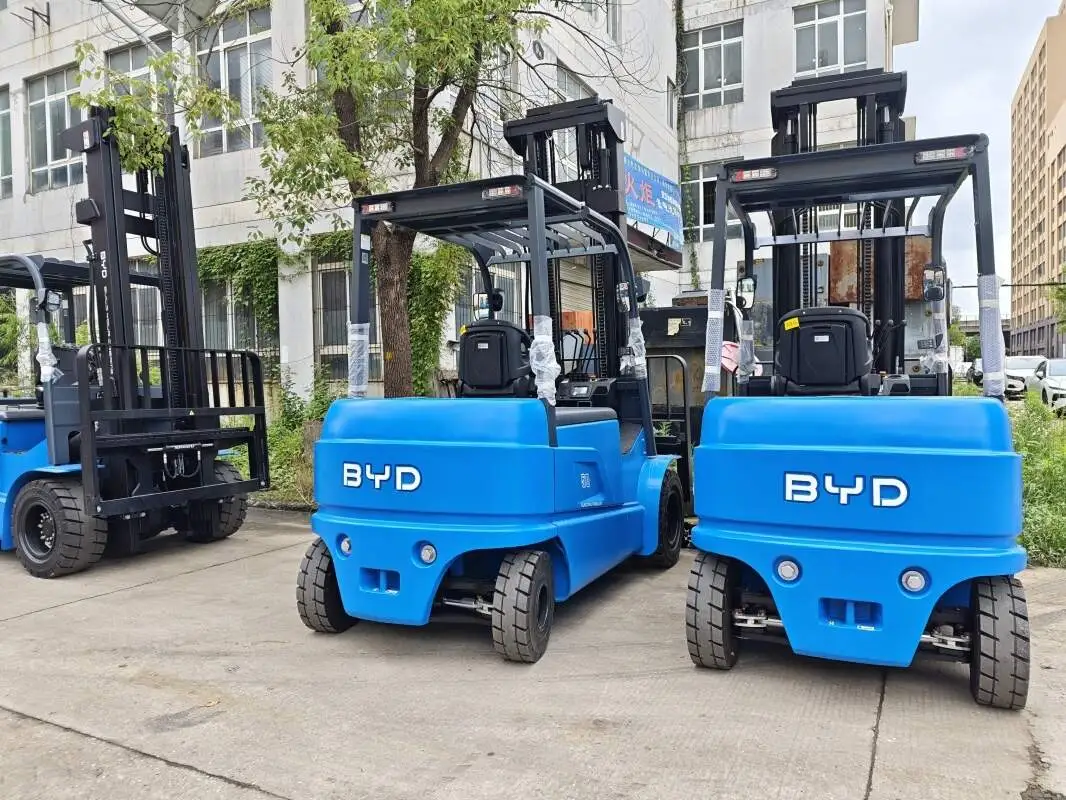
Warehouse electric forklifts are critical assets for streamlining material handling operations, but component wear can lead to unplanned downtime, increased repair costs, and reduced operational efficiency. Implementing proactive maintenance measures is key to mitigating wear and extending the lifespan of these units without making exaggerated claims or referencing brand-specific solutions.
First, routine lubrication is foundational to reducing friction between moving components. Focus on high-wear areas such as lift chains, pivot points, and wheel bearings, using appropriate lubricants at intervals aligned with usage intensity. Over-lubrication should be avoided, as excess grease can attract dust and debris, creating abrasive compounds that accelerate wear.
Second, daily pre-operation inspections enable early detection of minor issues before they escalate. Operators should visually check tire tread depth, brake pad thickness, and steering component tightness, as well as listen for unusual noises during idle and low-speed movement. Documenting inspection findings ensures consistent tracking of component condition and allows for timely corrective actions.
Third, adhering to proper operational protocols reduces unnecessary stress on forklift components. Avoiding sudden acceleration, hard braking, and sharp turns minimizes strain on transmission systems and brake assemblies. Additionally, strictly adhering to load capacity limits prevents overloading, which can cause structural damage to forks, mast components, and suspension systems.
Fourth, targeted care for electrical components and batteries is essential for electric forklifts. Regularly clean battery terminals to prevent corrosion, which can disrupt power flow and cause premature wear on motor components. Inspect wiring harnesses for fraying or damage, and ensure connections are secure to avoid voltage fluctuations that stress electrical parts.
Finally, timely replacement of worn components is critical to preventing cascading damage. Even minor wear on parts like brake pads or fork tips can put additional strain on adjacent components, leading to more extensive and costly repairs. Replace components based on inspection results and usage guidelines, rather than waiting for complete failure.
By integrating these maintenance measures into daily operations, warehouse managers can effectively reduce component wear, enhance forklift reliability, and optimize long-term operational costs while maintaining full compliance with safety and regulatory standards.