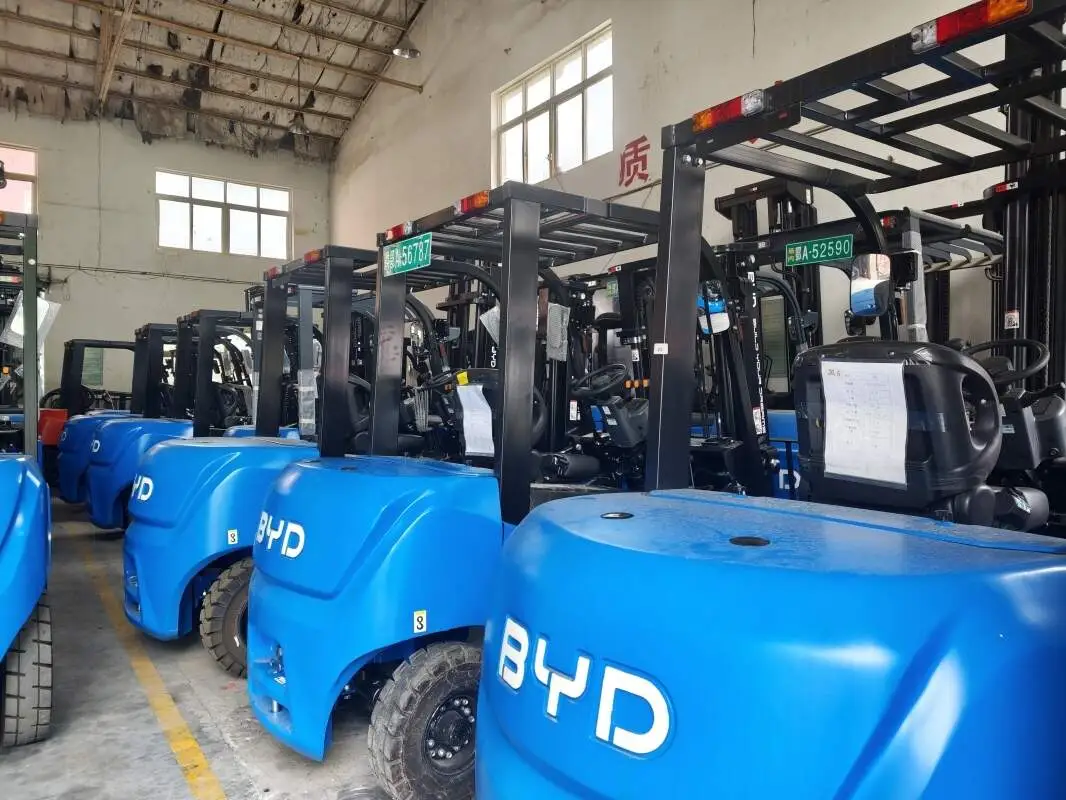
forklift-mounted hoist attachments have become indispensable tools in modern industrial operations, extending the functionality of standard forklifts to handle vertical lifting tasks that would otherwise require specialized equipment. These attachments integrate seamlessly with forklifts, offering a cost-effective and flexible solution for various working sites. Below are real-world application cases highlighting their practical value.
In large-scale distribution warehouses, storing and retrieving heavy machinery components or oversized pallets often poses challenges. A regional logistics center adopted forklift-mounted hoist attachments to address this issue. Previously, staff relied on separate cranes that occupied valuable floor space and required long setup times. With the hoist attachments, forklift operators could lift items weighing up to 2,000 kilograms directly from ground level to upper storage racks, eliminating the need for additional equipment. This adjustment reduced handling time by 30% and optimized warehouse space utilization, as cranes were no longer a permanent fixture in the storage area.
Construction sites demand frequent lifting of construction materials like steel beams, precast concrete panels, and pipe sections to different building levels. A residential construction project used forklift-mounted hoist attachments to streamline this process. Instead of deploying tower cranes for small, frequent lifts—which often led to delays due to scheduling conflicts—forklifts equipped with hoists could transport and lift materials directly to the required floors. This approach cut down waiting times for material delivery to work zones, improving overall project timelines by approximately 20%. Additionally, the attachments’ compact design allowed operation in tight spaces within the construction site where tower cranes could not reach.
Ports handle a high volume of containers, and sometimes smaller cargo items need to be lifted onto or off container roofs. A coastal port implemented forklift-mounted hoist attachments for these auxiliary tasks. Previously, workers used manual lifting tools that were slow and posed safety risks. The hoist attachments enabled forklifts to safely lift items like spare parts, tools, and small cargo boxes to container roofs, reducing manual labor and minimizing the risk of workplace injuries. This application also improved the speed of container preparation for shipment, contributing to smoother port operations during peak hours.
In automotive manufacturing plants, moving heavy engine blocks and chassis components between production stations is a critical task. A car assembly plant integrated forklift-mounted hoist attachments into its workflow. The attachments allowed forklifts to lift components from storage areas and position them precisely at assembly stations, eliminating the need for intermediate lifting equipment. This streamlined process reduced material handling errors and ensured a continuous flow of production. Operators also appreciated the ease of switching between standard forklift functions and hoist operations, as the attachments could be quickly detached when not in use.
Across these diverse working sites, forklift-mounted hoist attachments demonstrate their ability to enhance operational efficiency, reduce equipment costs, and improve workplace safety. By adapting to different lifting needs without requiring specialized machinery, these attachments offer a versatile solution that aligns with the dynamic demands of modern industrial operations. As businesses continue to seek flexible and cost-effective lifting solutions, the adoption of forklift-mounted hoist attachments is expected to grow across various sectors.