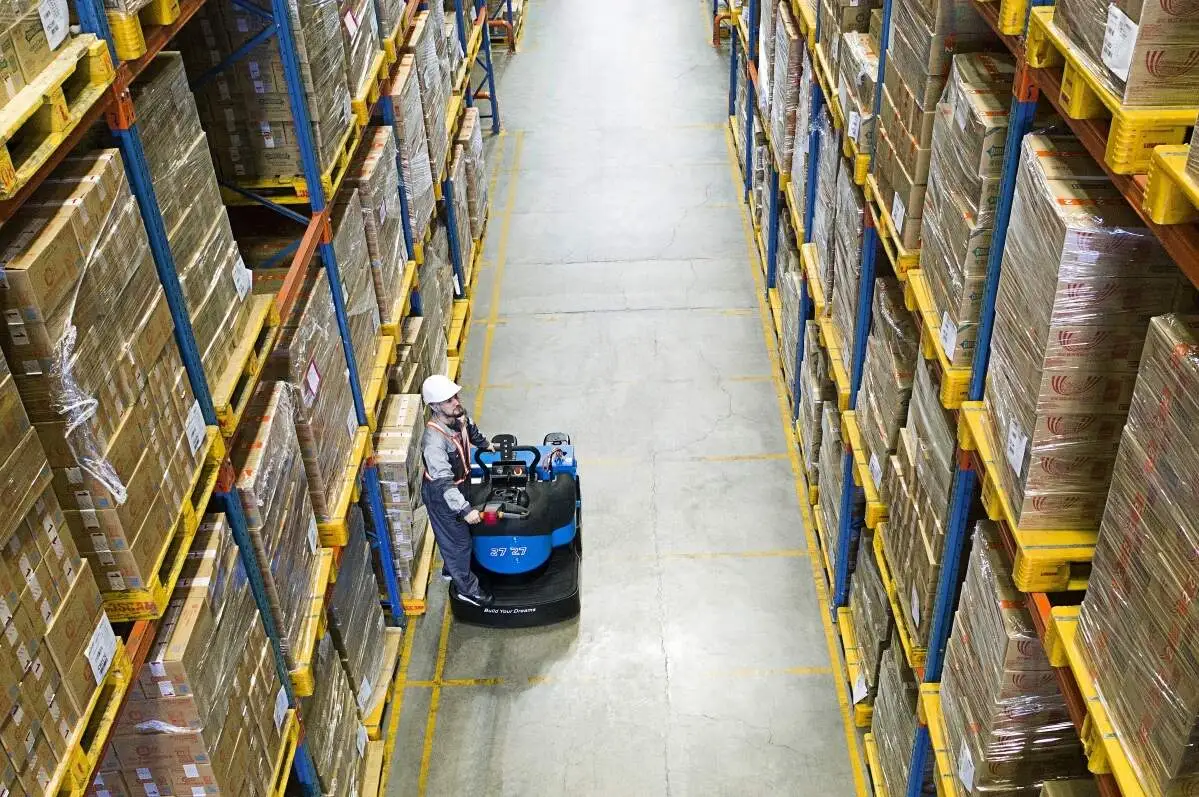
When businesses invest in material handling equipment like forklifts, one common accounting question arises: should this equipment be recorded as a fixed asset or expensed immediately? Understanding the proper classification is critical for accurate financial reporting and compliance with accounting standards.
First, it’s essential to clarify the core definition of a fixed asset. In general accounting principles, a fixed asset is a long-term tangible asset that a company uses in its operations to generate income, with a useful life exceeding one year and a value that meets the company’s predetermined capitalization threshold. These assets are not intended for resale and are depreciated over their useful life to spread out their cost over the period they benefit the business.
Forklifts typically meet the criteria for fixed asset classification. Most forklifts are designed for long-term use, often lasting five to ten years with proper maintenance. They directly support daily operations, such as loading and unloading goods, moving inventory within warehouses, or facilitating logistics processes. Additionally, forklifts usually carry a price point that exceeds the minimum capitalization threshold set by most businesses, which is often several thousand dollars. When these conditions are met, recording the forklift as a fixed asset is the appropriate accounting treatment.
However, there are exceptions to this general rule. If a business purchases a low-cost forklift that falls below its capitalization threshold, it may be treated as a current expense instead. Similarly, if the forklift is leased on a short-term basis (usually less than a year) rather than owned, it would not be recorded as a fixed asset on the company’s balance sheet. Instead, lease payments would be recognized as operating expenses over the lease term.
Proper classification also requires adherence to specific accounting frameworks, such as GAAP (Generally Accepted Accounting Principles) or IFRS (International Financial Reporting Standards). These frameworks outline detailed rules for asset capitalization, including documentation requirements for purchase costs, installation fees, and any modifications that enhance the forklift’s functionality. All these associated costs should be included in the initial asset value when capitalizing the forklift.
Businesses should also establish clear internal policies to guide this decision-making process. Documenting the capitalization threshold, useful life estimates for forklifts, and depreciation methods ensures consistency across financial records. In cases where uncertainty exists, consulting with a certified public accountant or accounting professional can help ensure compliance and accuracy.
In conclusion, whether a forklift is recorded as a fixed asset depends on its useful life, value, ownership status, and the applicable accounting standards. By understanding these criteria and following established guidelines, businesses can maintain accurate financial statements and make informed decisions about their asset investments.