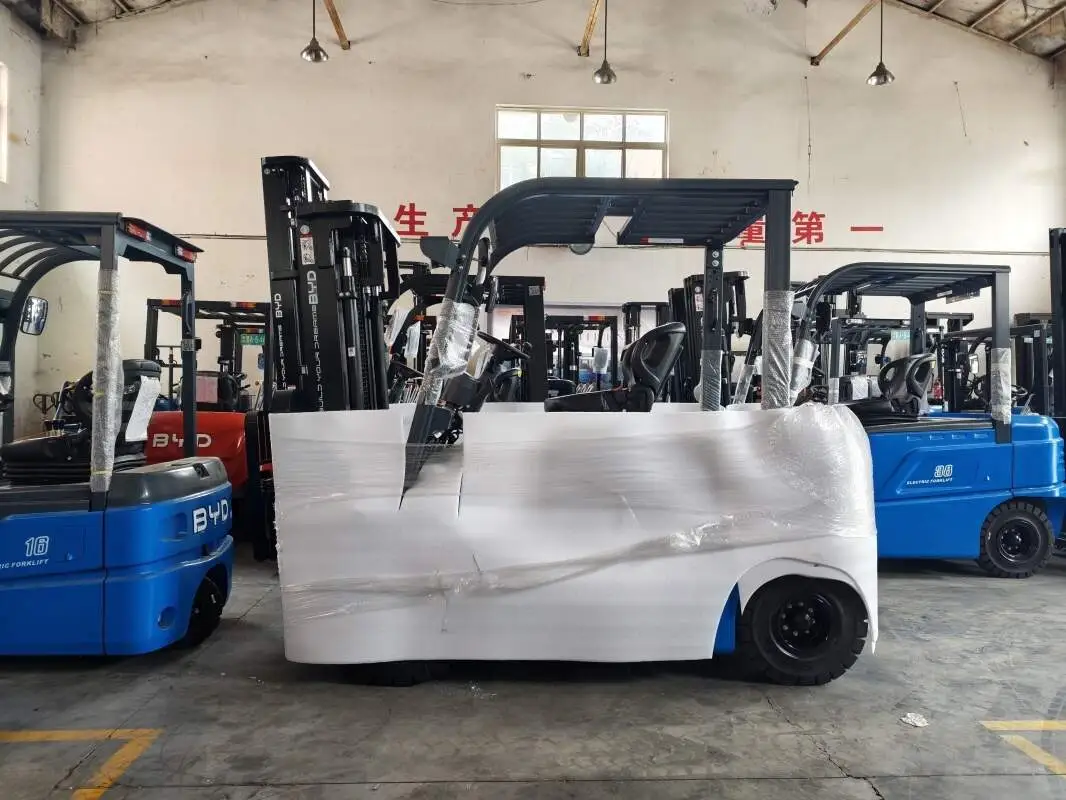
Optimizing the operation speed of stand-up electric warehouse forklift units is a critical practice that balances workplace safety, operational efficiency, and equipment longevity. Unlike traditional sit-down forklifts, stand-up models are engineered for tight warehouse spaces, making speed adjustments even more essential to navigate narrow aisles, handle varying loads, and reduce the risk of collisions with infrastructure or inventory.
The first step in adjusting forklift speed is to evaluate the immediate working environment and task requirements. In narrow warehouse aisles with limited maneuvering space, reducing speed to a moderate level ensures precise control, minimizing the chance of hitting racking systems or damaging stored goods. When operating near high-storage shelves where loads are positioned at elevated heights, a slower speed provides better stability, preventing load shifts that could lead to accidents or product loss. For light-load tasks across open warehouse areas with clear visibility, a slightly higher speed can boost productivity without compromising safety, as long as operators remain alert to pedestrian traffic and obstacles.
Before making any speed adjustments, operators must conduct a pre-operation inspection to confirm the forklift’s braking system, control panel, and speed regulators are in good working condition. Most stand-up electric forklifts feature intuitive control panels with speed adjustment knobs or buttons that allow operators to modify speed based on real-time needs. Operators should start with small increments to avoid sudden speed changes that could cause loss of control, especially when carrying heavy or unstable loads. After adjusting the speed, it’s important to test the forklift in a designated safe area to confirm responsiveness and stability before proceeding with operational tasks.
Key safety considerations should always guide speed adjustment decisions. Regular safety training is essential for all forklift operators to understand the impact of speed on different tasks and environments, as well as to comply with warehouse-specific speed limits set based on traffic flow and pedestrian presence. Additionally, routine maintenance of the forklift’s speed control system helps ensure consistent performance, reducing the risk of unexpected speed fluctuations that could lead to incidents.
At Jianshu New Energy, we specialize in electric forklift solutions, including stand-up warehouse models. Our team provides professional guidance on forklift operation and maintenance to help businesses optimize their warehouse operations while prioritizing safety. For more information or personalized support, feel free to contact us at 17399989919@163.com.