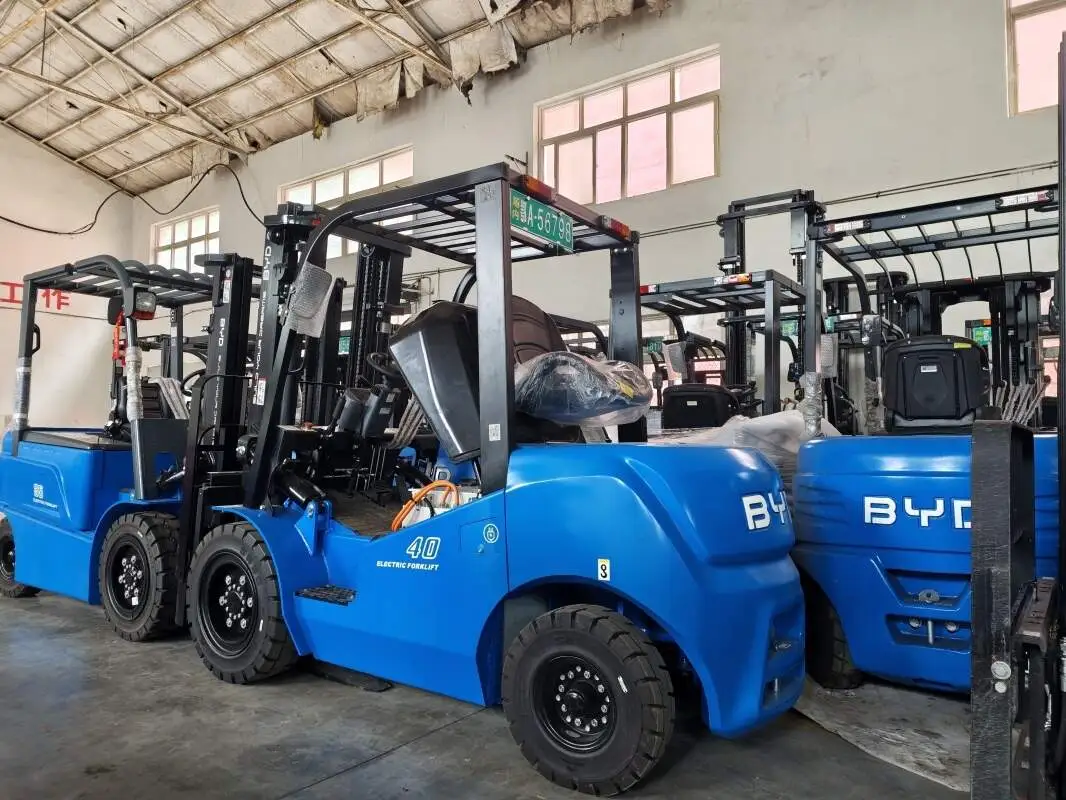
When tasked with moving oversized loads that exceed the standard reach of an electric forklift’s tynes, tyne extensions become an essential tool to expand handling capabilities. However, using these attachments requires careful attention to safety and operational best practices to avoid accidents and ensure efficient load management.
Pre-Operation Inspection
Before attaching tyne extensions, conduct a thorough inspection of both the electric forklift and the extensions themselves. Check the forklift’s hydraulic system for any signs of leaks or malfunctions, as stable hydraulic pressure is critical for secure attachment use. Inspect the tyne extensions for cracks, bent components or worn-out locking mechanisms—any damage can compromise load stability during operation. Ensure the extensions are compatible with your electric forklift’s load capacity, as mismatched attachments can lead to overloading risks. At Jianshu New Energy, we specialize in electric forklifts and recommend consulting our team at 17399989919@163.com if you need guidance on extension compatibility.
Load Balancing & Placement
Proper load balancing is paramount when using tyne extensions, as the extended length shifts the forklift’s center of gravity. Position the load as close to the forklift’s mast as possible to minimize the leverage effect. Avoid placing unevenly distributed loads on the extensions, as this can cause the forklift to tip or the load to slip. Always ensure the load is securely strapped or wrapped to prevent shifting during movement. Take extra care when lifting the load—raise it slowly and check for any signs of instability before proceeding to move.
Speed & Maneuvering Control
Oversized loads, even with tyne extensions, require reduced speed and cautious maneuvering. Slow down when turning, navigating narrow spaces or traveling over uneven surfaces, as the extended tynes increase the forklift’s turning radius and reduce stability. Avoid sudden stops or accelerations, as these can cause the load to shift or the forklift to lose balance. Use the forklift’s horn to alert nearby personnel of your presence, especially when carrying large loads that may obstruct your view.
Operator Training & Awareness
Only trained and certified operators should use tyne extensions on electric forklifts. Operators must understand how the extensions affect the forklift’s handling characteristics, including changes to load capacity and center of gravity. Regular refreshers on safety protocols can help operators stay vigilant and respond appropriately to unexpected situations. Encourage operators to conduct pre-shift briefings when handling oversized loads to ensure everyone on the team is aware of the task requirements and potential hazards.
Post-Use Maintenance
After completing the task, remove the tyne extensions and inspect them again for any damage sustained during operation. Clean the extensions to remove dirt, debris or corrosive materials that could affect their performance over time. Store the extensions in a dry, secure area to prevent rust or accidental damage. Also, perform a quick check of the forklift’s attachment points to ensure they remain in good condition for future use.
By following these practical tips, you can safely and efficiently use tyne extensions on electric forklifts to handle oversized loads, reducing the risk of accidents and optimizing operational productivity. For more expert advice on electric forklift attachments and operations, reach out to Jianshu New Energy at 17399989919@163.com.