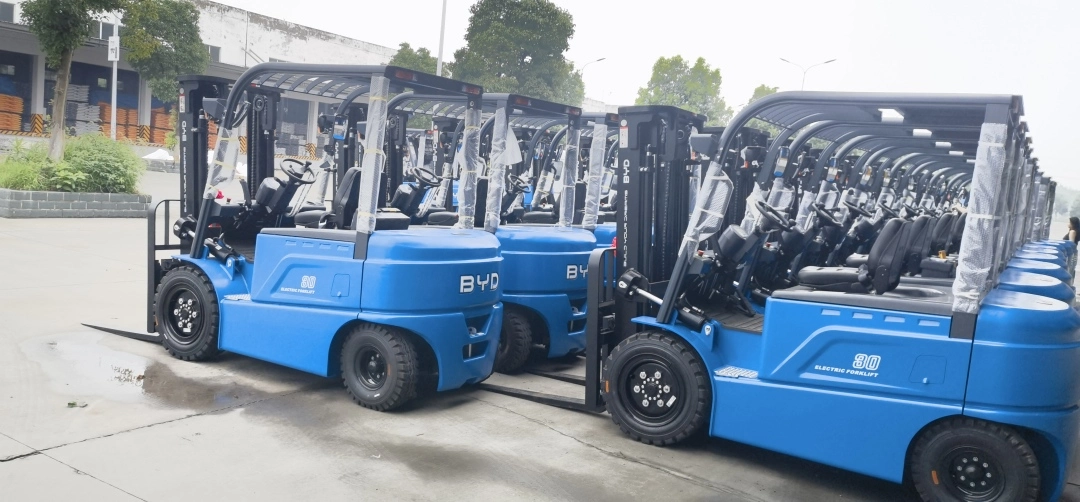
When it comes to optimizing forklift performance, safety, and operator comfort, aftermarket accessories play a critical role. Choosing the right seats, mounts, and attachments can transform a standard forklift into a more efficient tool tailored to specific operational needs. Whether you’re looking to reduce operator fatigue, boost lifting capabilities, or adapt to unique workspace demands, understanding how to select these components is key.
Starting with forklift seats, operator comfort directly impacts productivity and safety during long shifts. When selecting an aftermarket seat, prioritize ergonomic design features. Look for adjustable lumbar support, which helps maintain proper spinal alignment and reduces back strain. Adjustable seat height and tilt allow operators to find a position that suits their body type and provides clear visibility of the work area. Additionally, consider seats with shock-absorbing features, especially for forklifts used on uneven terrain, as these minimize vibrations that can cause fatigue over time. Breathable, durable upholstery is another important factor, ensuring the seat remains comfortable even during extended use and holds up to the wear and tear of industrial environments.
Forklift mounts are often overlooked but are essential for securing accessories and ensuring stable operation. When choosing aftermarket mounts, focus on compatibility with your forklift’s make and model. Poorly fitted mounts can lead to instability, increasing the risk of accidents or equipment damage. Opt for mounts made from high-strength materials like steel, which can withstand heavy loads and constant use. Consider the type of accessory you’ll be attaching—for example, camera mounts require precise positioning to maintain clear visibility, while tool mounts need to hold heavy items securely without shifting. It’s also important to check that the mount installation process aligns with safety standards, avoiding modifications that compromise the forklift’s structural integrity.
Aftermarket attachments expand a forklift’s versatility, allowing it to handle a wider range of tasks beyond standard lifting. Common options include pallet forks, side shifters, and clamp attachments. When selecting attachments, start by assessing your specific operational needs. If you frequently handle irregularly shaped loads, a clamp attachment may be more suitable than standard forks. For operations that require precise load positioning, a side shifter can enhance efficiency by allowing operators to adjust loads without repositioning the entire forklift. Always ensure the attachment is rated for your forklift’s lifting capacity—overloading can lead to equipment failure and safety hazards. Additionally, consider ease of installation and compatibility with existing forklift controls, as complex attachments may require additional operator training.
In conclusion, selecting the right aftermarket forklift accessories requires a balance of ergonomics, compatibility, and functional suitability. By prioritizing operator comfort when choosing seats, ensuring secure and compatible mounts, and matching attachments to your operational needs, you can enhance both safety and productivity in your workplace. Take the time to evaluate each component carefully, considering the unique demands of your daily operations, to make informed decisions that deliver long-term value.