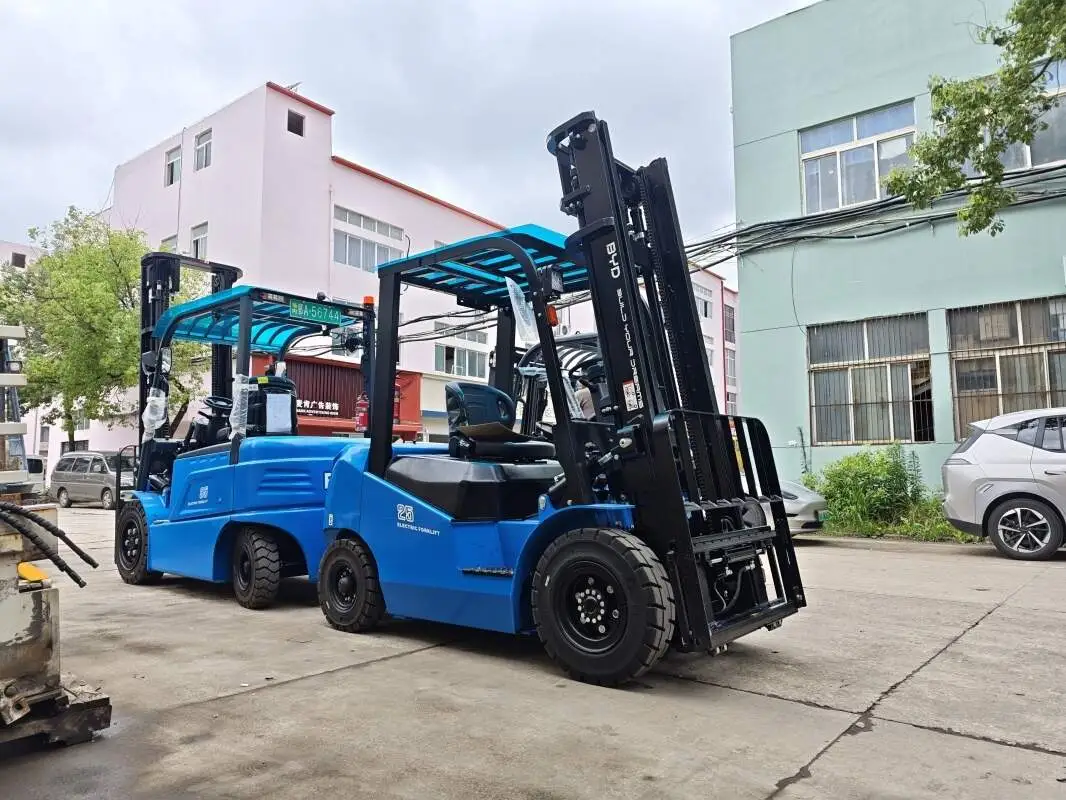
Warehouse logistics operations rely on precision and efficiency to meet tight delivery schedules and maintain accurate inventory records. One often-overlooked bottleneck is the need for separate weighing processes, which can slow down loading, unloading, and inventory checks. forklift scale system integration addresses this challenge by embedding real-time weighing capabilities directly into forklift operations, creating a streamlined workflow that benefits every stage of warehouse management.
Unlike traditional weighing methods that require transporting goods to a fixed scale, integrated forklift scales allow operators to weigh loads the moment they are lifted. This real-time functionality eliminates the need for extra trips between storage areas and weighing stations, cutting down on unnecessary labor time and reducing the risk of product damage during repeated handling. For example, when receiving incoming shipments, forklift operators can verify the weight of each pallet instantly, ensuring that delivered quantities match purchase orders without delaying the unloading process.
Accurate, real-time weight data also plays a critical role in inventory management. By capturing weight information during every lift, warehouses can maintain more precise inventory records, reducing discrepancies between physical stock and digital records. This level of accuracy helps prevent stockouts or overstock situations, as managers can monitor stock levels with greater confidence. Additionally, real-time weighing data can be integrated with warehouse management systems, allowing for automatic updates to inventory logs and generating instant reports for auditing or compliance purposes.
Compliance is another key benefit of forklift scale system integration. Many industries require strict adherence to weight regulations for shipping and storage, and manual weighing processes can lead to errors that result in fines or delays. Integrated systems provide consistent, traceable weight measurements that meet industry standards, ensuring that all shipments are within legal weight limits. The digital nature of the data also makes it easier to track and document weights for regulatory audits, reducing administrative burdens for warehouse teams.
Forklift scale systems are designed to be user-friendly, with intuitive interfaces that don’t add complexity to daily operations. Operators can view weight readings directly on a dashboard mounted in the forklift cabin, allowing them to make quick decisions without leaving their post. Most systems also include features like tare weight adjustment, which automatically subtracts the weight of empty pallets or containers to provide the net weight of the goods. This simplicity ensures that even less experienced operators can use the system effectively, minimizing training time and reducing the likelihood of human error.
In conclusion, forklift scale system integration is a valuable investment for warehouses looking to optimize their logistics operations. By adding real-time weighing functions, businesses can reduce operational bottlenecks, improve inventory accuracy, ensure compliance with weight regulations, and enhance overall efficiency. As warehouse logistics continue to evolve, integrating smart weighing technology into forklift operations will become increasingly essential for staying competitive in a fast-paced market.