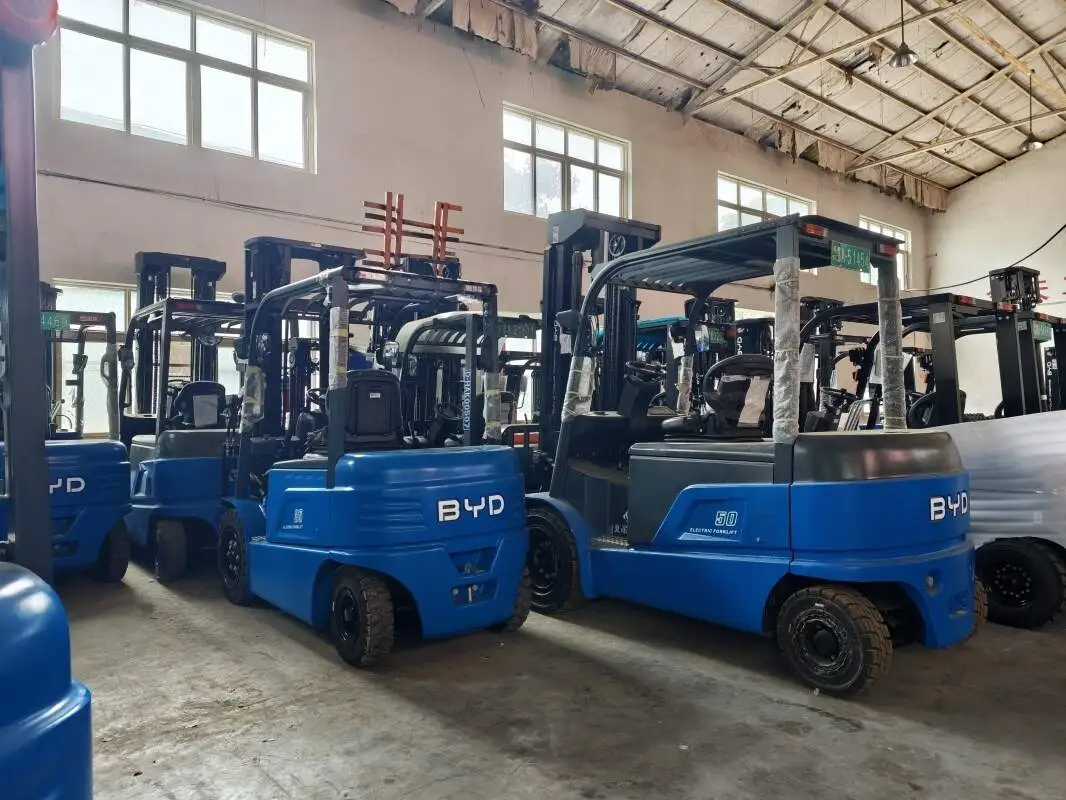
In modern warehouse operations, aisle width optimisation stands as a critical factor directly impacting material handling efficiency, operational safety, and storage capacity. For businesses relying on forklift equipment, aligning aisle dimensions with the specific requirements of selected forklift models is not just a matter of convenience—it is a strategic decision that streamlines daily operations and reduces long-term costs.
Different forklift models have distinct spatial requirements based on their design and functionality. Counterbalance forklifts, for example, need wider aisles due to their larger turning radius and the space required to manoeuvre without compromising stability. These models typically operate in aisles ranging from 3.5 to 4.5 meters, depending on load size and lift height. In contrast, narrow aisle forklifts are engineered for tight spaces, functioning in aisles as narrow as 1.8 to 2.5 meters. Their compact design and ability to turn within the aisle make them ideal for maximising storage density in facilities with limited floor space. Reach trucks, another common model, fall between these categories, requiring aisles of approximately 2.5 to 3 meters, as they extend forks forward to access pallets without full turning.
The process of aisle width optimisation begins with a thorough assessment of selected forklift models’ technical specifications. Operators must review manufacturer guidelines for turning radius, minimum clearance requirements, and operational space needed for loading and unloading. Next, a detailed analysis of the warehouse’s current layout and workflow is essential. This includes evaluating pallet size and weight, forklift traffic frequency, and obstacles like racks or pillars that may impact manoeuvrability.
Simulating forklift operations using digital tools can help identify potential bottlenecks and adjust aisle dimensions accordingly. It is also crucial to incorporate safety margins—typically 0.3 to 0.5 meters—to account for human error, uneven flooring, or unexpected movements, ensuring operators have ample space to react without collisions.
When done correctly, aisle width optimisation delivers multiple benefits. By tailoring aisles to match forklift requirements, businesses can increase storage capacity by reducing unnecessary space between racks, adding more pallet positions. This also speeds up material handling, as operators spend less time navigating overly wide or cramped aisles, cutting down on cycle times. Additionally, properly sized aisles reduce collision risks between forklifts, racks, and inventory, minimising damage to equipment and goods while creating a safer work environment for staff.
As warehouse operations evolve to meet growing demand, regularly reviewing and adjusting aisle widths to accommodate changes in forklift models or operational needs remains essential. By prioritising this aspect of warehouse design, businesses can enhance overall operational efficiency, improve safety standards, and maximise the value of their storage space.