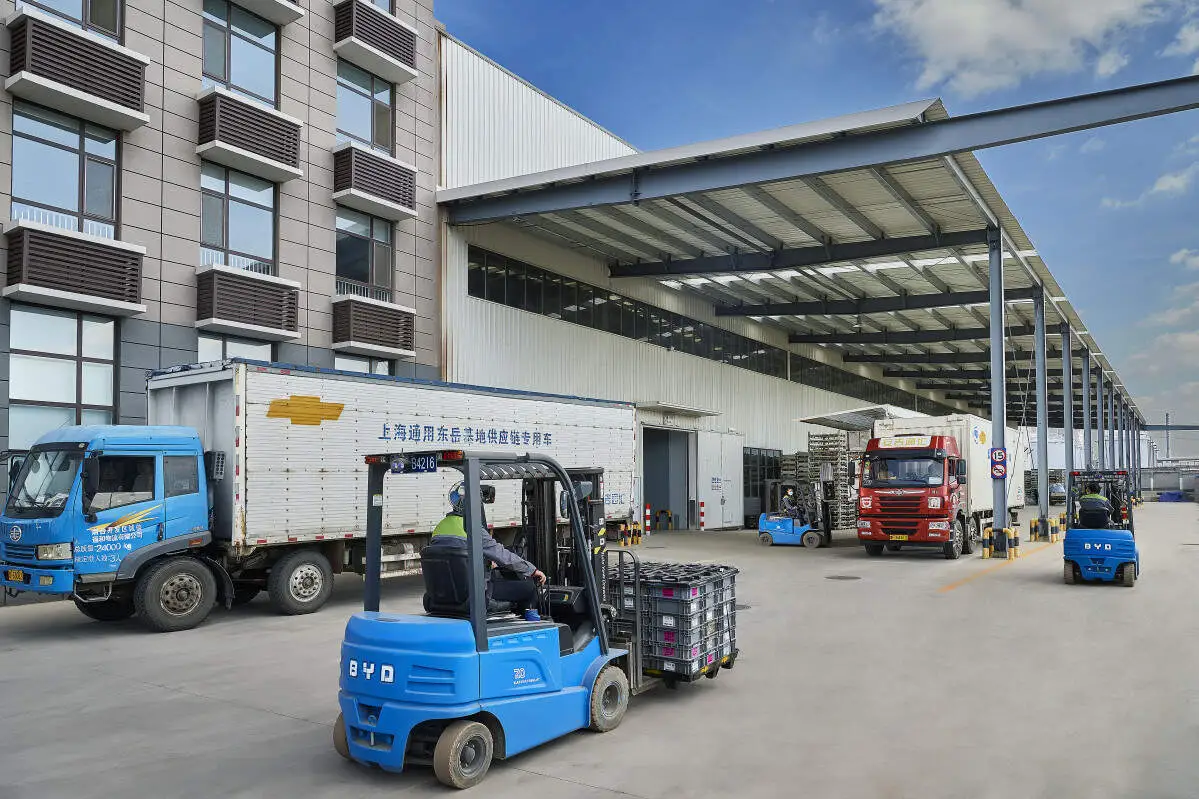
Barrels and drums are ubiquitous in industries like manufacturing, chemical processing, food production, and warehousing, often carrying heavy or hazardous materials that pose risks to manual handling. Specialized forklift attachments tailored for barrel handling address these challenges, streamlining operations while enhancing safety and efficiency.
Barrel grippers are the most fundamental attachments for this task. Designed to securely hold barrels of varying materials—from steel to plastic—and sizes, these attachments use mechanical or hydraulic mechanisms to create a firm grip without requiring additional strapping. This eliminates the risk of barrels slipping during transport, making them ideal for stacking in warehouses, loading onto trucks, or moving barrels across production floors. Grippers adjust to different barrel diameters, ensuring compatibility with standard and non-standard drum sizes commonly used in industrial settings.
Drum rotators are essential for operations that require mixing contents or emptying barrels completely. These attachments enable 360-degree rotation of barrels, allowing workers to homogenize liquid or granular materials without manual stirring. For emptying tasks, rotating the barrel ensures that all contents are dispensed, reducing waste. Integrated with grippers, rotators operate smoothly via the forklift’s hydraulic system, minimizing manual intervention and lowering the risk of spills or worker injury.
Drum tilters offer a controlled alternative to full rotation, allowing operators to tilt barrels at specific angles—usually between 45 and 90 degrees. This precision is critical for tasks like pouring materials into processing equipment without splashing, which is vital for sensitive materials in food or pharmaceutical industries. Tilters also simplify the cleaning of empty barrels, as operators can angle the drum to drain residual liquids or debris effectively.
Combination attachments, which merge gripping, rotating, and tilting functions, provide versatility for complex handling scenarios. For example, in chemical plants, these attachments can transport a barrel to a mixing station, tilt it to add ingredients, rotate to mix, then move the finished product to storage. This all-in-one functionality reduces the need for multiple equipment changes, saving time and optimizing workflow.
Beyond functional benefits, these attachments enhance workplace safety by reducing direct worker contact with heavy or hazardous barrels. They also boost operational efficiency, cutting down on manual labor hours and minimizing the risk of product damage from improper handling. Whether for routine warehouse tasks or specialized industrial processes, forklift barrel attachments are indispensable tools for modern material handling operations.