Construction sites are dynamic environments with uneven ground, loose gravel, and varied material handling needs, making standard forklifts insufficient for many tasks. All terrain forklifts, designed to navigate rough, unpaved surfaces, have become indispensable for streamlining material transport across job sites. Understanding the key options available helps construction managers select the right equipment to boost productivity and safety.
Diesel-powered all terrain forklifts are a popular choice for heavy-duty construction applications. They deliver high torque, making them suitable for lifting and transporting heavy loads like steel beams, concrete blocks, and construction materials over long distances across muddy or rocky terrain. Their robust engine design ensures reliable performance in extreme weather conditions, from hot summer days to cold winter mornings. However, they do produce emissions, so they may not be ideal for enclosed or indoor construction areas where air quality is a concern.
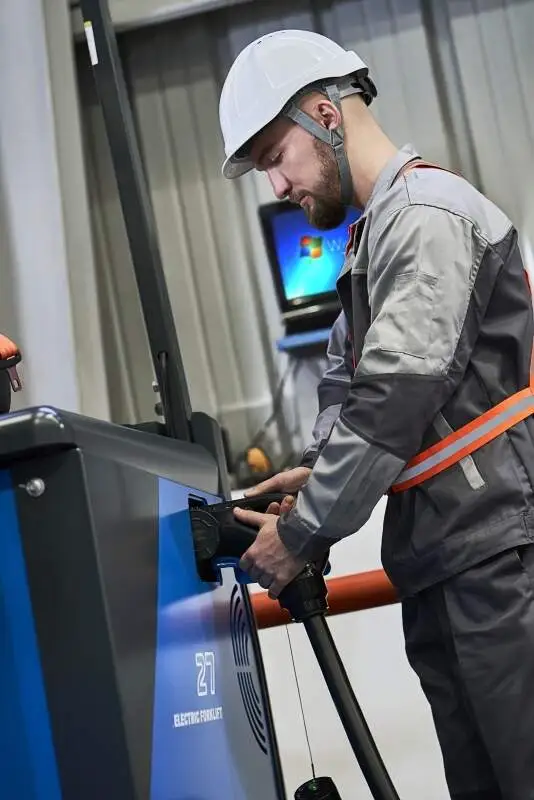
Electric all terrain forklifts are gaining traction with advancements in battery technology. Powered by lithium-ion batteries, these models offer zero emissions, making them an eco-friendly alternative for projects focused on reducing carbon footprints. They operate quietly, beneficial for urban construction sites where noise pollution regulations are strict. electric forklifts require less maintenance than diesel counterparts due to fewer moving parts. While their load capacity may be slightly lower than diesel models, they excel in medium-duty tasks and shorter transport routes on rough terrain.
For construction sites with limited space, such as urban renovation projects or narrow building sites, compact all terrain forklifts are the perfect solution. These smaller models are highly maneuverable, able to navigate tight corners and narrow pathways while still handling moderate loads like building materials, tools, and landscaping supplies. Their lightweight design reduces ground pressure, minimizing damage to delicate surfaces like paved walkways or newly laid turf. Compact models are often available in both diesel and electric variants, offering flexibility based on project needs.
Heavy-duty all terrain forklifts are essential when dealing with extremely heavy loads and challenging terrain. These models feature reinforced frames, large rugged tires with deep treads, and powerful lifting capacities that can handle loads up to several tons. They are designed to tackle steep inclines, muddy pits, and rocky landscapes common in large-scale construction projects like highway building or mining operations. While they are larger and less maneuverable than compact models, their strength and durability make them a critical asset for heavy material transport.
Choosing the right all terrain forklift depends on several factors, including load capacity, terrain type, project size, and environmental considerations. Construction managers should assess their daily material transport needs, evaluate the job site’s terrain conditions, and consider regulatory requirements related to emissions and noise before making a selection. By selecting the appropriate all terrain forklift option, construction teams can enhance efficiency, reduce operational costs, and ensure a safer working environment for all personnel.