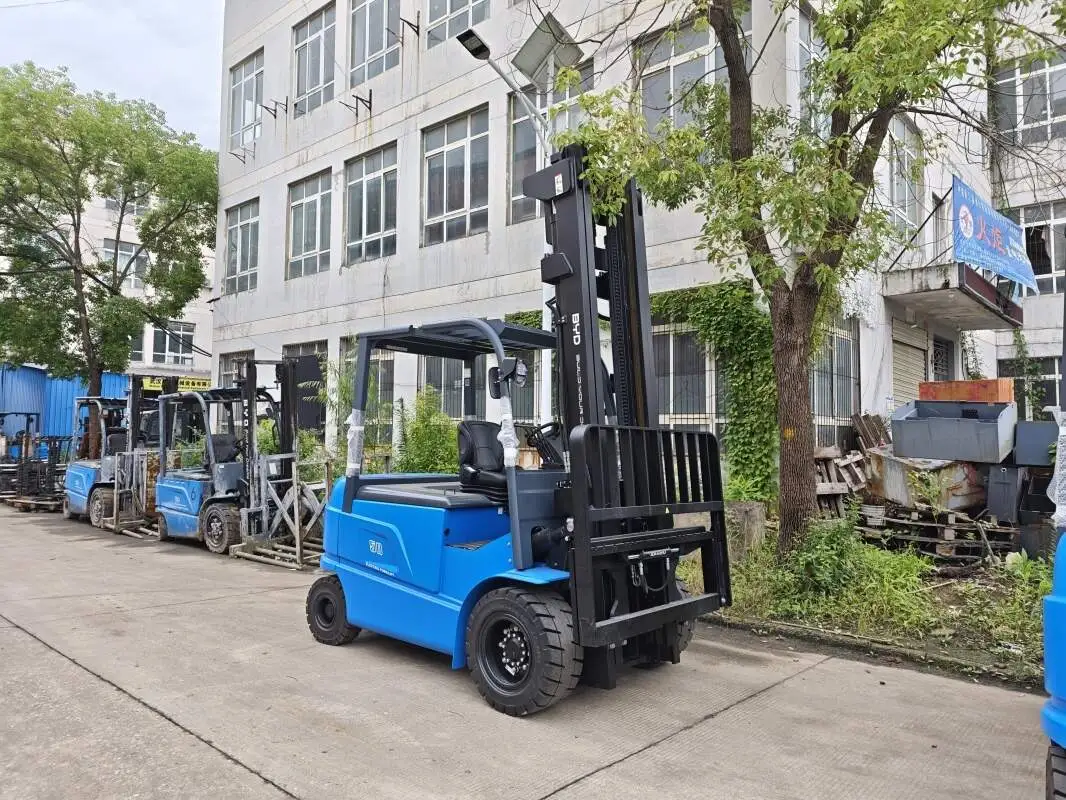
forklift equipment is a cornerstone of modern material handling, playing a critical role in warehouses, manufacturing facilities, distribution centers, and construction sites across the globe. However, what many people refer to as a “forklift” goes by a variety of alternative terms, each with subtle nuances that reflect regional preferences, industry-specific uses, or functional focuses. Understanding these different terminologies is essential for effective communication among professionals, suppliers, and operators in the material handling sector.
One of the most widely recognized alternative terms is “lift truck.” This term is often used interchangeably with forklift, particularly in North American industrial settings. The term emphasizes the vehicle’s primary function: lifting heavy loads to various heights. Unlike some more specialized terms, “lift truck” encompasses most types of powered fork-equipped vehicles, from counterbalance models to reach trucks. Professionals in manufacturing and logistics frequently use this term when discussing general material handling operations, as it conveys the core purpose of the equipment without overly specific details.
Another common alternative is “fork truck.” This term places greater emphasis on the vehicle’s key component—the front-mounted forks that are used to lift and transport pallets and other loads. It is often favored in warehouse environments where pallet handling is the primary task. Some operators prefer “fork truck” because it directly references the tool that makes the equipment functional, making it a more concrete term for day-to-day operations. While it is technically a subset of lift trucks, the term is widely accepted as a synonym for forklift in many contexts.
For a broader classification, “material handling vehicle” is a term that includes forklifts alongside other equipment like pallet jacks, stackers, and order pickers. This terminology is often used in industry reports, regulatory documents, and training materials to refer to the entire category of equipment designed to move, store, or handle materials. Professionals in supply chain management and safety compliance may use this term when discussing overarching material handling strategies or regulatory requirements that apply to multiple types of equipment.
“Industrial truck” is another term that is sometimes used to describe forklifts, especially in formal or regulatory contexts. This term aligns with standards set by industry organizations that define equipment used in industrial settings. It encompasses any powered truck used for material handling, making it a versatile term when referring to forklifts alongside other industrial vehicles. Safety trainers and regulatory officials often use this term to ensure compliance with universal standards that apply to all types of industrial material handling equipment.
Understanding these alternative terminologies is more than just a matter of vocabulary—it is a key part of effective communication in the material handling industry. Whether you are discussing equipment with a supplier, training new operators, or complying with regulatory standards, using the right term can prevent confusion and ensure clear understanding. By familiarizing yourself with these common alternative terms for forklift equipment, you can navigate industry conversations with confidence and ensure that your message is accurately conveyed to all stakeholders.