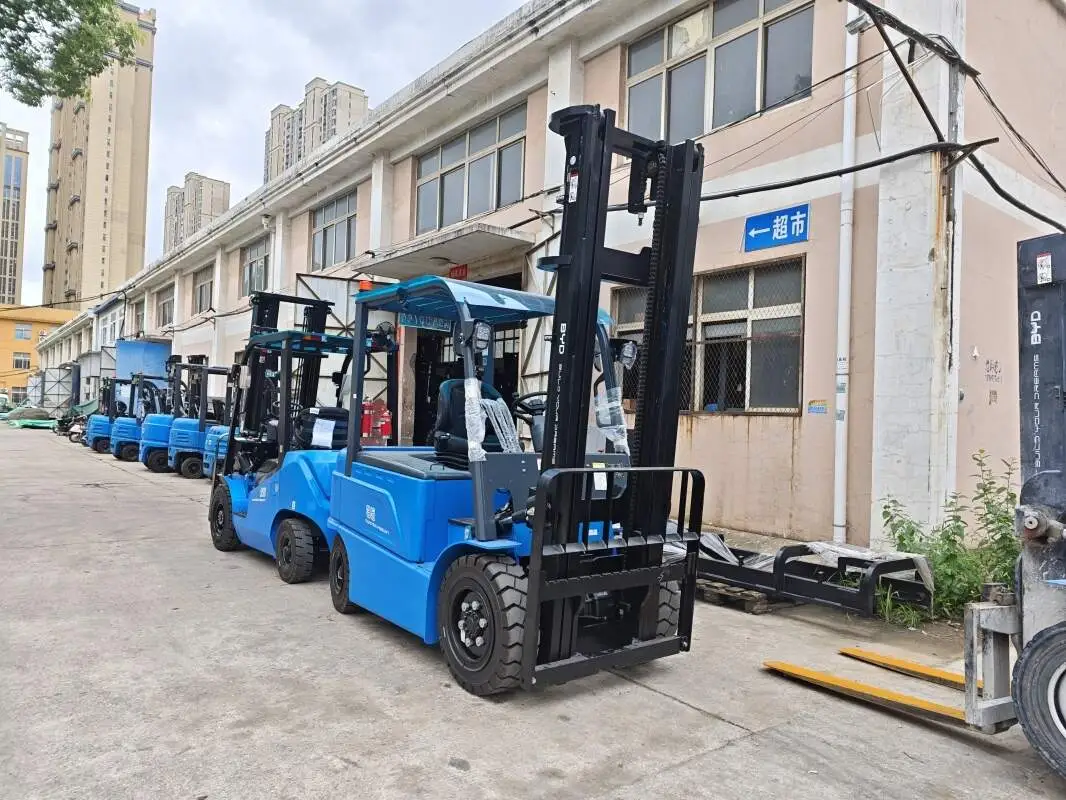
Industrial forklifts are workhorses in warehouses, distribution centers, and manufacturing facilities, relying on efficient cooling systems to maintain optimal engine performance during long hours of operation. A critical component of this system is the fan attachment, which plays a pivotal role in regulating engine temperature and preventing overheating. Choosing the right fan attachment is not just a matter of replacement; it directly impacts the forklift’s reliability, operational efficiency, and overall lifespan.
When evaluating fan attachments, cooling efficiency should be the top priority. The fan’s design, including blade size, angle, and airflow capacity, determines how effectively it can dissipate heat from the engine and radiator. Forklifts operating in high-temperature environments or handling heavy loads require fan attachments with higher airflow rates to counteract increased heat generation. It is essential to match the fan’s performance specifications to the forklift’s engine size and typical operating conditions to ensure consistent cooling without unnecessary energy consumption.
Compatibility is another crucial factor. Fan attachments must fit seamlessly with the forklift’s existing cooling system, including the radiator, belt drive, and mounting brackets. Ill-fitting fans can cause misalignment, leading to excessive noise, reduced airflow, or even damage to other components. Before selecting a fan attachment, verify the exact dimensions, mounting points, and drive mechanism requirements of your forklift. This ensures a proper fit and avoids costly modifications or premature failure.
Durability is key to withstanding the harsh conditions of industrial settings. Fan attachments are exposed to dust, debris, vibration, and extreme temperatures, so they must be constructed from robust materials like reinforced plastic or metal alloys. Look for fans with corrosion-resistant coatings to prevent rust and degradation over time. Additionally, consider the fan’s balance and build quality to minimize wear on bearings and other moving parts, which can reduce maintenance needs and extend the component’s service life.
Ease of installation and maintenance should also be taken into account. Fan attachments that require complex tools or specialized expertise can increase downtime during replacement or repairs. Opt for designs that allow for quick and straightforward installation, with clear instructions provided. Furthermore, choose fan attachments that are easy to clean and inspect, as regular maintenance helps prevent clogging and ensures continued performance.
In conclusion, selecting the right fan attachment for an industrial forklift requires a thoughtful evaluation of cooling efficiency, compatibility, durability, installation ease, and maintenance needs. By prioritizing these factors, operators can ensure their forklifts remain reliable, efficient, and ready to tackle daily tasks. Investing in a high-quality, properly matched fan attachment is a proactive step toward reducing downtime, lowering maintenance costs, and extending the overall lifespan of the industrial forklift.