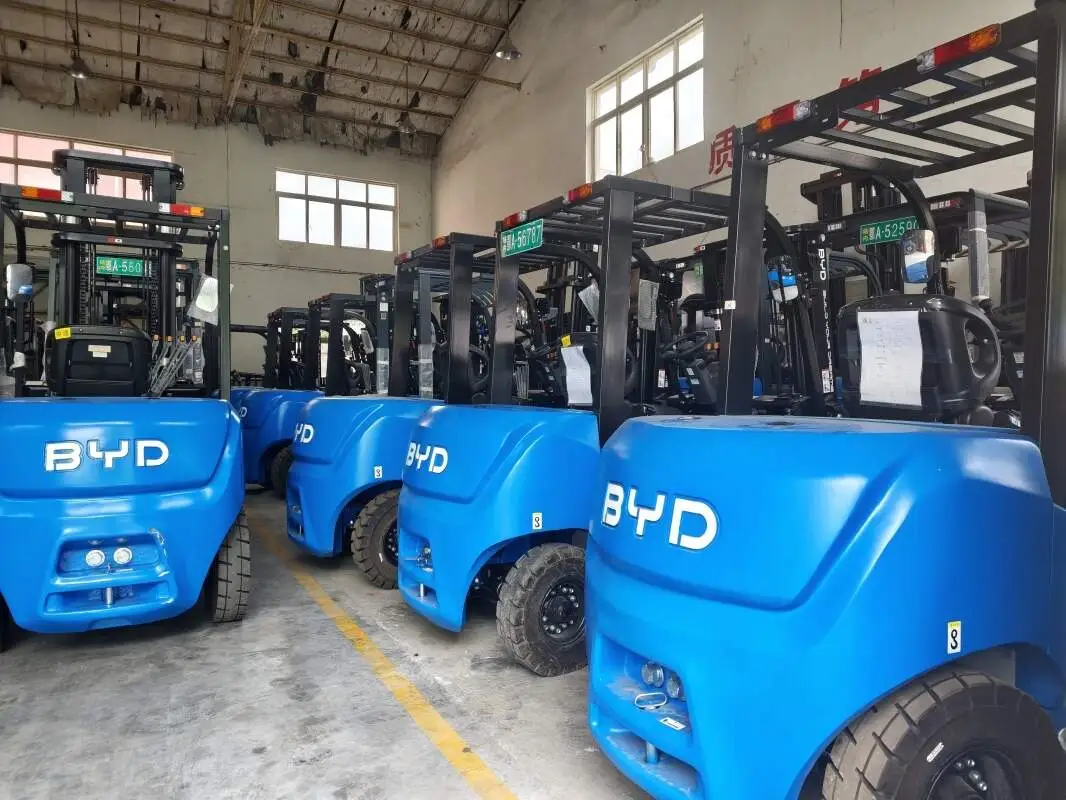
Multipurpose forklift models are engineered to adapt to diverse material handling scenarios, making them a versatile solution across multiple industries. Understanding their applicable working conditions is crucial for maximizing performance, ensuring operational safety, and extending equipment lifespan.
Indoor Warehouses and Distribution Centers
One of the core applicable scenarios for multipurpose forklifts is indoor warehouses and distribution centers. These environments typically feature flat, paved floors and controlled temperature settings, aligning with the forklift’s standard operational requirements. In such spaces, multipurpose forklifts excel at tasks like pallet stacking, order picking, and transporting goods between storage zones. Their compact design allows them to navigate narrow aisles efficiently, reducing turnaround time for material handling operations. For facilities with cold storage needs, multipurpose forklifts equipped with appropriate insulation and temperature-resistant components can operate reliably in low-temperature environments, supporting the movement of perishable goods without compromising performance.
Outdoor Construction and Cargo Terminals
Multipurpose forklifts are also well-suited for outdoor working conditions, including construction sites, cargo terminals, and open-air storage yards. These environments often have uneven terrain, gravel surfaces, or mild slopes, requiring forklifts with robust tires and stable chassis. In construction sites, they transport building materials such as steel bars, concrete blocks, and prefabricated components, contributing to smooth workflow management. At cargo terminals, multipurpose forklifts facilitate the loading and unloading of trucks and containers, adapting to varying cargo weights and sizes. Their weather-resistant features enable effective operation in moderate rain or sunlight, ensuring continuity of outdoor tasks.
Heavy-Duty and Specialized Handling Scenarios
Beyond standard settings, multipurpose forklifts can be adapted to heavy-duty and specialized working conditions. For operations involving heavy loads, models with enhanced load capacities safely transport items weighing several tons, eliminating the need for multiple equipment pieces. In manufacturing industries where precision is key, multipurpose forklifts can be fitted with specialized attachments to handle irregularly shaped goods like long pipes or fragile components. In urban delivery depots with limited space, their maneuverability enables efficient material handling without requiring extensive operational room.
When selecting a multipurpose forklift, assessing the specific working conditions of the intended environment is essential. Factors such as floor type, temperature, load weight, and space constraints should be considered to ensure the forklift meets operational needs. By matching the model to applicable working conditions, businesses can enhance productivity, reduce operational costs, and maintain a safe workplace for staff.