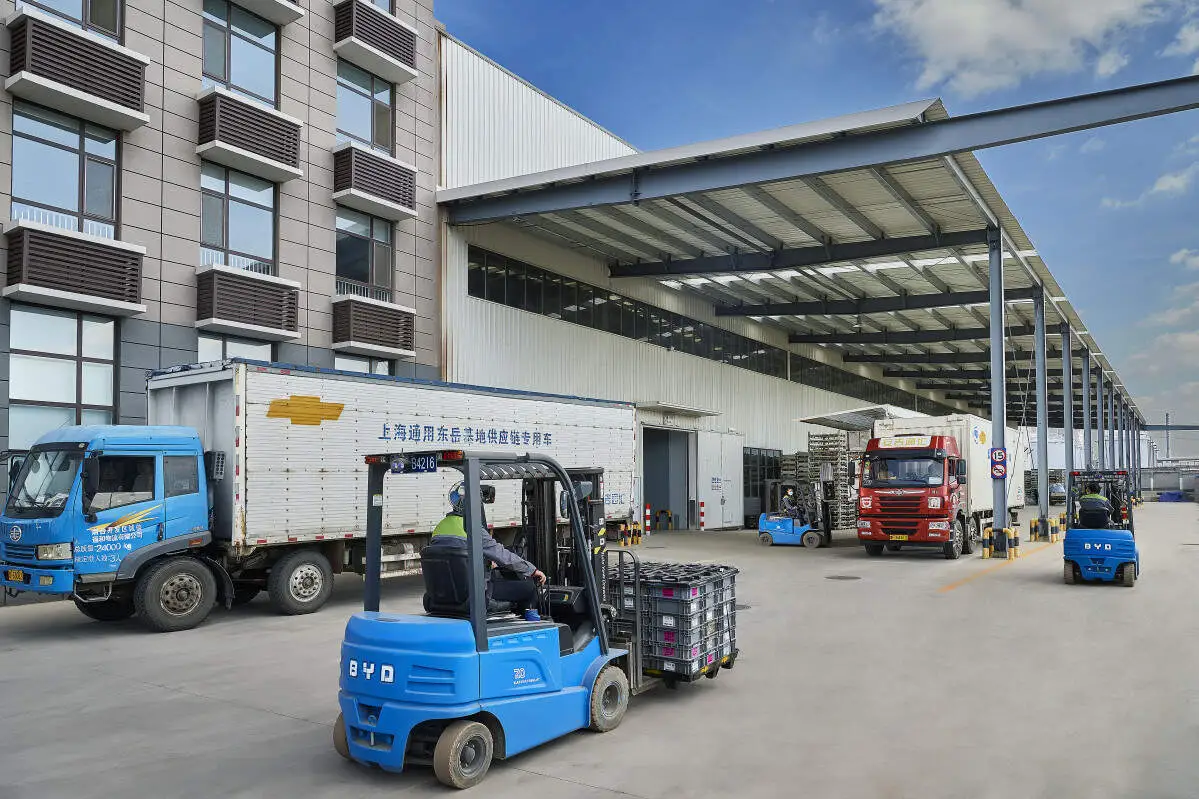
forklift forks are critical components in material handling operations, directly impacting operational safety and efficiency. Adhering to industry specifications for their production and usage is essential to mitigate risks and ensure long-term reliability.
Production Specifications
Material selection forms the core of compliant forklift fork production. Industry standards mandate high-strength alloy steels, chosen for their durability and resistance to bending under heavy loads. These materials must meet strict mechanical property requirements, including tensile strength and yield strength, to withstand repeated stress during daily operations.
Manufacturing processes are tightly regulated to guarantee dimensional accuracy and structural integrity. Precision cutting and forming techniques shape fork blanks, followed by controlled welding processes that minimize heat-induced distortion. Post-welding heat treatment is often required to relieve internal stresses and enhance the steel’s toughness, preventing premature failure.
Quality control is a non-negotiable step in production. Forks undergo rigorous testing, including non-destructive inspections to detect hidden cracks or defects, and load testing to verify their capacity to handle rated weights without deformation. Only forks that pass these comprehensive tests are deemed suitable for deployment.
Usage Specifications
Proper usage of forklift forks starts with routine pre-operation inspections. Operators must check for visible signs of wear, such as thinning tines, cracks, or bent sections, before each shift. Any damaged forks should be removed from service immediately to avoid potential accidents.
Adhering to load limits is another key specification. Each fork is rated for a maximum weight capacity, and exceeding this limit can lead to structural failure or tip-over incidents. Operators must ensure loads are evenly distributed across the forks and positioned securely to prevent shifting during transport.
Safe handling practices are also outlined in industry guidelines. Operators should avoid sudden stops, sharp turns, or lifting loads at excessive heights, as these actions can put unnecessary stress on the forks. Regular training on proper forklift operation, including fork maintenance and load handling techniques, is required to ensure all personnel understand and follow these specifications.
In conclusion, strict adherence to industry specifications for forklift fork production and usage is vital for maintaining a safe and efficient material handling environment. By following these standards, businesses can reduce the risk of equipment failure and workplace accidents, while extending the lifespan of their forklift fleets.