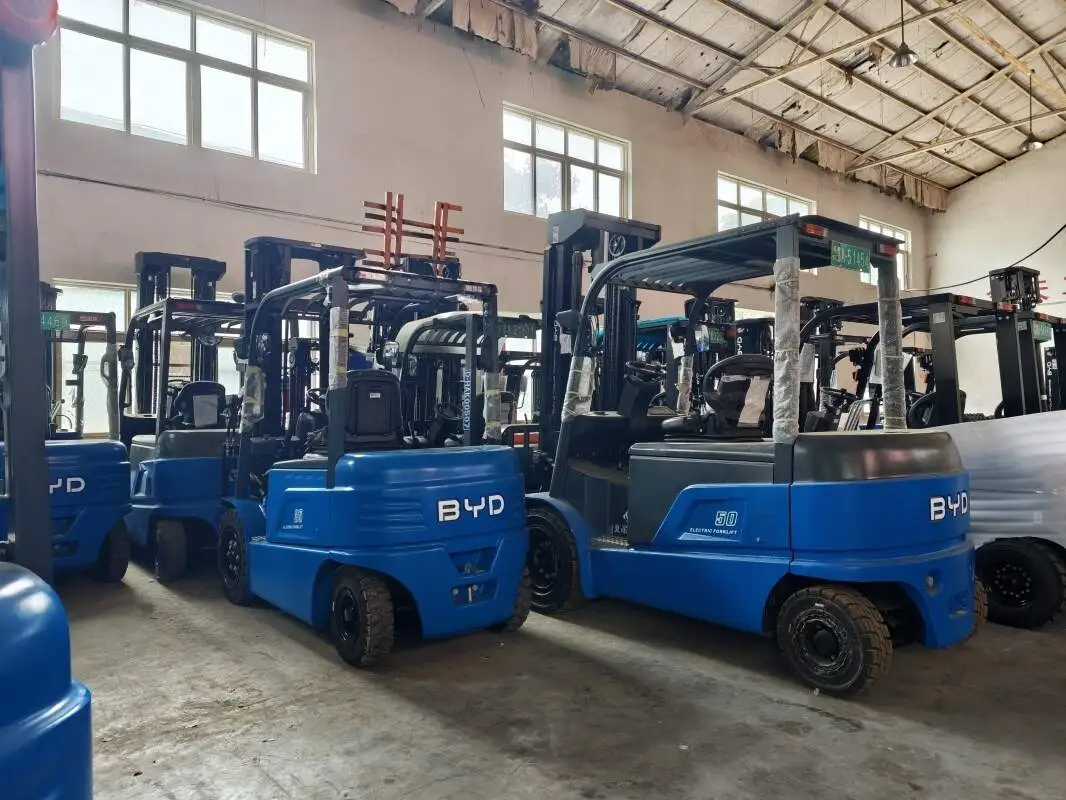
In today’s fast-paced material handling landscape, businesses of all sizes seek solutions that balance efficiency, flexibility, and practicality. Portable self-loading forklifts have emerged as a valuable tool, addressing unique challenges faced in warehouses, construction sites, and small-scale logistics operations.
One of the most notable advantages of portable self-loading forklifts is their exceptional maneuverability in tight spaces. Unlike traditional forklifts, which require ample room to turn and operate, these compact models are designed to navigate narrow aisles, crowded storage areas, and confined job sites with ease. Their small footprint allows operators to access areas that larger equipment cannot reach, reducing the need for extensive space modifications and optimizing existing storage layouts. This capability is particularly beneficial for retail backrooms, small warehouses, and urban construction zones where space is at a premium.
Flexibility in loading and unloading is another key benefit. Portable self-loading forklifts are equipped with features that enable them to handle a variety of cargo types, from standard pallets to loose goods and irregularly shaped items, without requiring complex additional attachments in many cases. Their self-loading mechanism simplifies the process, allowing a single operator to complete tasks that might otherwise require multiple workers or pieces of equipment. This flexibility makes them ideal for businesses with diverse inventory needs, as they can adapt to different load sizes and shapes quickly, minimizing downtime between tasks.
Cost-effectiveness is also a significant advantage. These forklifts typically have lower upfront costs compared to heavy-duty models, and their compact design translates to reduced fuel consumption or lower energy usage for electric variants. Maintenance requirements are often simpler as well, with fewer complex components to service. For small businesses or operations with limited budgets, this means accessing reliable material handling capabilities without incurring excessive expenses. Additionally, their portability eliminates the need for specialized transport equipment, further reducing operational costs.
Portable self-loading forklifts are highly versatile across different industries. In retail environments, they can assist with restocking shelves and moving inventory in backroom storage areas. On construction sites, they are useful for transporting building materials to upper floors or confined work zones. Even in agricultural settings, they can handle hay bales, crates of produce, and other farm-related cargo. Their adaptability means they can be deployed across multiple tasks, maximizing their value for businesses with varied operational needs.
Additionally, these forklifts excel in emergency or temporary operations. When faced with unexpected inventory surges, temporary warehouse setups, or post-disaster recovery efforts, their portability allows them to be transported quickly to the required location. They can be loaded onto standard trucks or vans, making them easy to mobilize without specialized logistics support. This agility ensures businesses can maintain operations even in unplanned circumstances, minimizing disruptions to workflow.
In conclusion, portable self-loading forklifts offer a range of application advantages that make them a smart choice for modern material handling. Their maneuverability, flexibility, cost-effectiveness, versatility, and portability address the evolving needs of businesses across various sectors. By incorporating these compact tools into their operations, companies can improve efficiency, reduce operational costs, and enhance their ability to adapt to changing work environments.