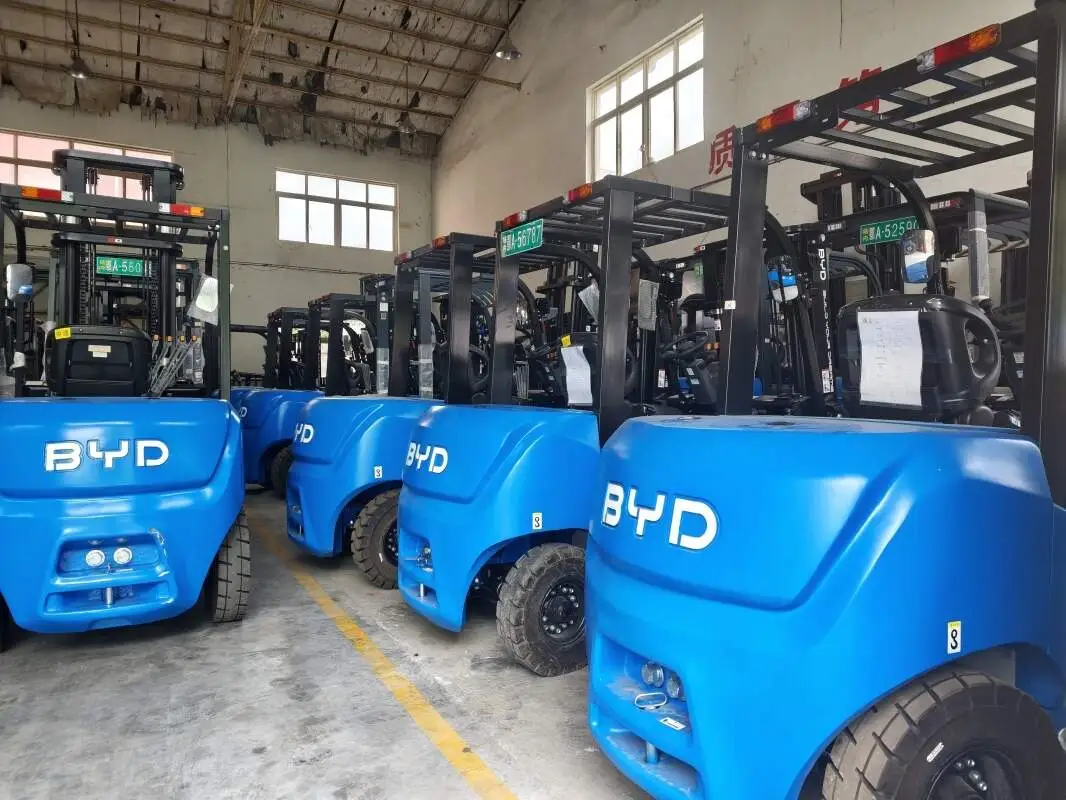
In bustling logistics yards, efficient trailer handling and cargo transfer are critical to maintaining smooth supply chain operations. Heavy-duty forklift trailer movers have emerged as essential equipment to address common challenges such as long trailer waiting times, cumbersome heavy cargo movement, and limited yard space utilization. Below are practical application cases demonstrating how these movers transform daily logistics yard operations.
Cargo Loading and Unloading Zone Efficiency
At high-volume loading docks, trailers often queue for hours waiting to be connected to handling equipment. Heavy-duty forklift trailer movers eliminate this bottleneck by enabling quick, one-person operation to hook up and maneuver trailers. For instance, in a regional logistics yard handling retail goods, the mover reduces trailer waiting time by 40% on average. Operators can seamlessly move trailers from parking areas to loading bays, then shift them to storage zones once unloaded, ensuring a continuous flow of cargo without disruptions. This not only boosts throughput but also cuts down on labor costs associated with manual trailer positioning.
Precise Heavy Cargo Transfer
Logistics yards frequently handle oversized or heavy cargo, such as industrial machinery components and large construction materials. Traditional equipment may struggle with the precise positioning required to load these items onto trailers without damage. Heavy-duty trailer movers, equipped with advanced steering systems and high load capacities, excel in this scenario. In a yard specializing in heavy equipment logistics, the mover aligns trailers with warehouse loading platforms within 5 centimeters of accuracy. This level of precision reduces the risk of cargo damage during transfer, lowering repair costs while enhancing customer satisfaction.
Narrow Yard Channel Maneuvering
Many logistics yards have limited space, with narrow access roads and tight parking zones that make large trailer movement difficult. Heavy-duty forklift trailer movers are designed with compact dimensions and agile steering capabilities, allowing them to navigate these confined areas with ease. In an urban logistics hub with dense storage facilities, the mover enables operators to move trailers through 3-meter-wide channels, a feat impossible for standard tractor units. This flexibility optimizes space utilization, allowing the yard to accommodate more trailers and cargo without expanding its physical footprint.
Reliable Operation in Adverse Weather
Logistics operations rarely pause for bad weather, but rain, snow, or icy conditions can make trailer handling risky and inefficient. Heavy-duty trailer movers feature robust traction control systems and slip-resistant tires, ensuring stable performance even on wet or slippery surfaces. In a northern logistics yard, during winter months with frequent snowfall, the mover maintains consistent operation, reducing downtime by 35% compared to conventional equipment. This reliability ensures that cargo deliveries stay on schedule, minimizing delays in the supply chain.
These application cases highlight the versatile value of heavy-duty forklift trailer movers in logistics yards. By enhancing efficiency, improving precision, optimizing space, and ensuring reliability, these tools play a pivotal role in streamlining yard operations and supporting the overall health of the supply chain. As logistics demands continue to grow, integrating such equipment will remain a key strategy for yards looking to stay competitive and meet evolving customer needs.