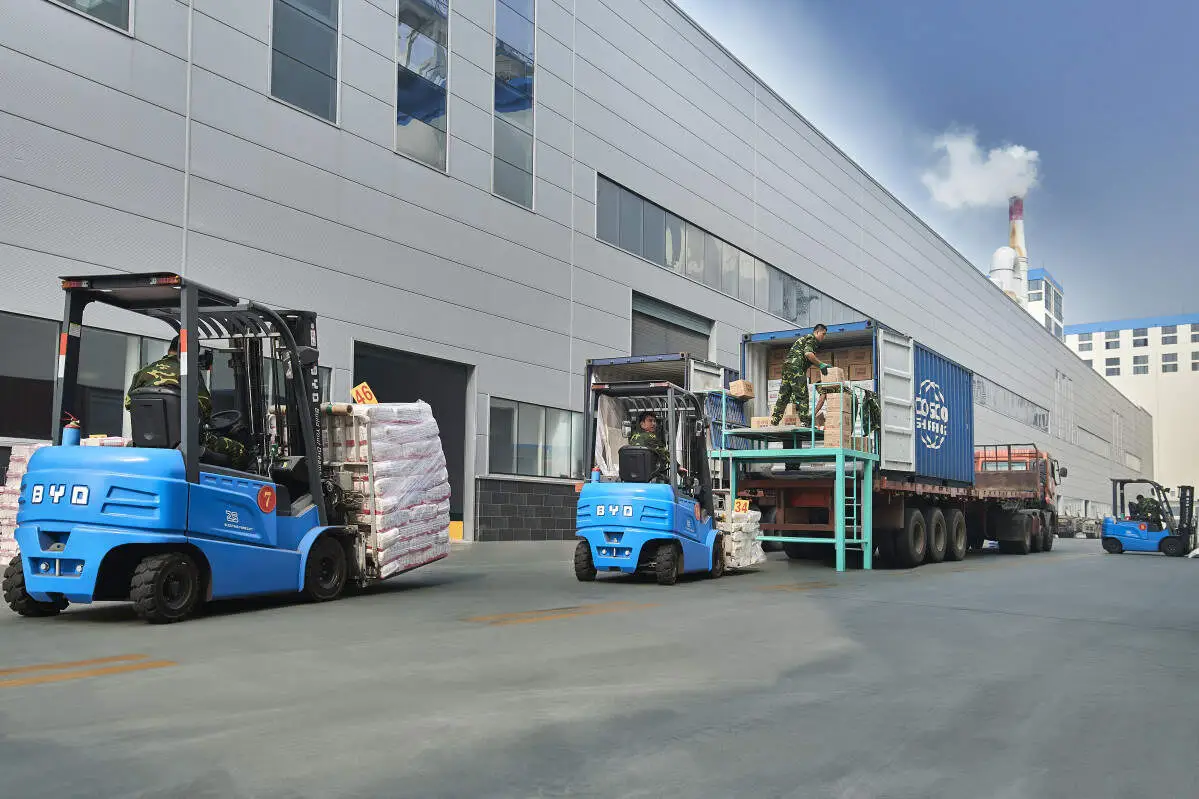
On many industrial sites and warehouse facilities, accurate on-site load weighing is critical for efficient inventory management, compliance with transportation weight limits, and overall operational safety. Heavy-duty forklift scales integrate weighing functionality directly into the forklift, eliminating the need for separate weighing stations and streamlining workflow. This guidance outlines key steps to ensure effective and reliable use of these scales in daily operations.
Pre-Installation Preparation
Before installing a heavy-duty forklift scale, conduct a thorough assessment of the forklift’s structural capacity to confirm it can support the scale’s weight and intended load limits. Evaluate the on-site environment: ensure weighing is performed on flat, level ground to avoid skewed readings, as uneven surfaces can introduce significant measurement errors. Additionally, identify and remove potential interference sources such as nearby electromagnetic equipment, which may disrupt the scale’s sensor performance.
Correct Setup & Calibration
Proper calibration is the foundation of accurate weighing. Start with an empty forklift: power on the scale and follow standardized instructions to perform a zero calibration, ensuring the device registers no weight when the forks are empty. Next, use certified standard weights corresponding to the scale’s capacity to conduct a loaded calibration. Apply weights gradually across the fork tines to verify consistent readings. Establish a regular calibration schedule—typically monthly for high-frequency use, or quarterly for less intensive operations—to maintain precision over time.
On-Site Weighing Best Practices
When conducting on-site weighing, prioritize stable operation. Drive the forklift to the designated weighing area at a slow, steady speed, avoiding sudden stops or turns that could shift the load. Ensure the load is evenly distributed across both fork tines, with the center of gravity aligned to the forks’ midpoint. Once in position, bring the forklift to a complete stop, engage the parking brake, and allow a few seconds for the scale to stabilize before recording the reading. Avoid weighing loads while the forklift is raised to excessive heights, as this can compromise both accuracy and safety.
Safety & Maintenance Protocols
Adhere to load limits specified for both the forklift and the scale to prevent equipment damage and safety hazards. Perform daily pre-use checks: inspect sensor connections for signs of wear or damage, and clear any debris from the scale components that could obstruct accurate measurement. Train operators on proper scale use, including how to interpret readings, troubleshoot minor issues, and recognize when calibration is needed. Regularly inspect the forklift’s hydraulic system, as leaks or malfunctions can impact the scale’s ability to capture precise weight data.
By following these application guidelines, facilities can maximize the reliability and efficiency of heavy-duty forklift scales for on-site load weighing. Proper setup, regular calibration, and consistent best practices not only ensure accurate weight measurements but also contribute to safer operations and streamlined inventory management.