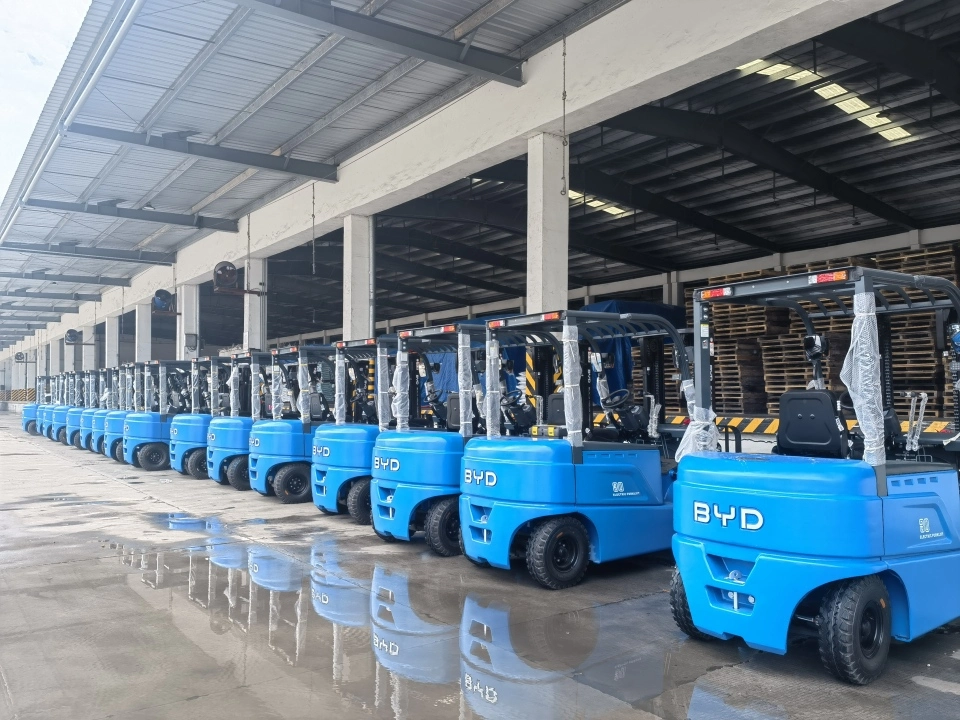
Daily forklift handling is a critical part of warehouse and industrial operations, but even experienced operators can fall into common traps that compromise safety and efficiency. Understanding these errors and how to avoid them is essential for maintaining a secure work environment and optimizing productivity.
One of the most prevalent errors is improper load management. Overloading the forklift beyond its rated capacity strains the vehicle’s components, increasing the risk of tipping or mechanical failure. Similarly, failing to center loads on the forks can cause instability, especially when lifting or turning. Operators should always check the load’s weight and dimensions against the forklift’s specifications, ensuring even distribution before starting any movement.
Many operators skip pre-operation inspections, a mistake that can lead to unexpected breakdowns or safety hazards. Critical components like brakes, tires, hydraulic systems, and lights need to be checked daily. A worn brake pad or a flat tire might seem minor, but it can result in accidents during operation. Making inspections a non-negotiable part of the daily routine helps catch issues early and prevents costly downtime.
Operating at excessive speeds, especially in crowded areas or narrow aisles, is another common error. Forklifts are not designed for high-speed travel; sudden stops or turns at fast speeds can cause loads to shift or the vehicle to tip. Operators should adhere to posted speed limits and adjust their pace based on the environment—slowing down near pedestrian zones, intersections, or uneven surfaces.
Forklifts have inherent blind spots, and ignoring these can lead to collisions with other vehicles, equipment, or pedestrians. Operators often fail to use mirrors properly or signal their movements, increasing the risk of accidents. Taking the time to scan the surroundings, use horn signals when turning or reversing, and asking for spotters in tight spaces can significantly reduce visibility-related errors.
Incorrect parking is an often-overlooked error that poses risks. Leaving the forklift in gear, failing to set the parking brake, or leaving forks raised can lead to unintended movement or injuries. Operators should lower forks to the ground, engage the parking brake, turn off the engine, and remove the key when the vehicle is not in use. This simple step prevents accidental operation and ensures the forklift is secure.
By recognizing and avoiding these common operating errors, forklift operators can create a safer workplace and improve operational efficiency. Regular training, adherence to safety protocols, and a proactive approach to daily tasks are key to minimizing risks. Remember, even small mistakes can have significant consequences, so vigilance is essential in every forklift handling activity.