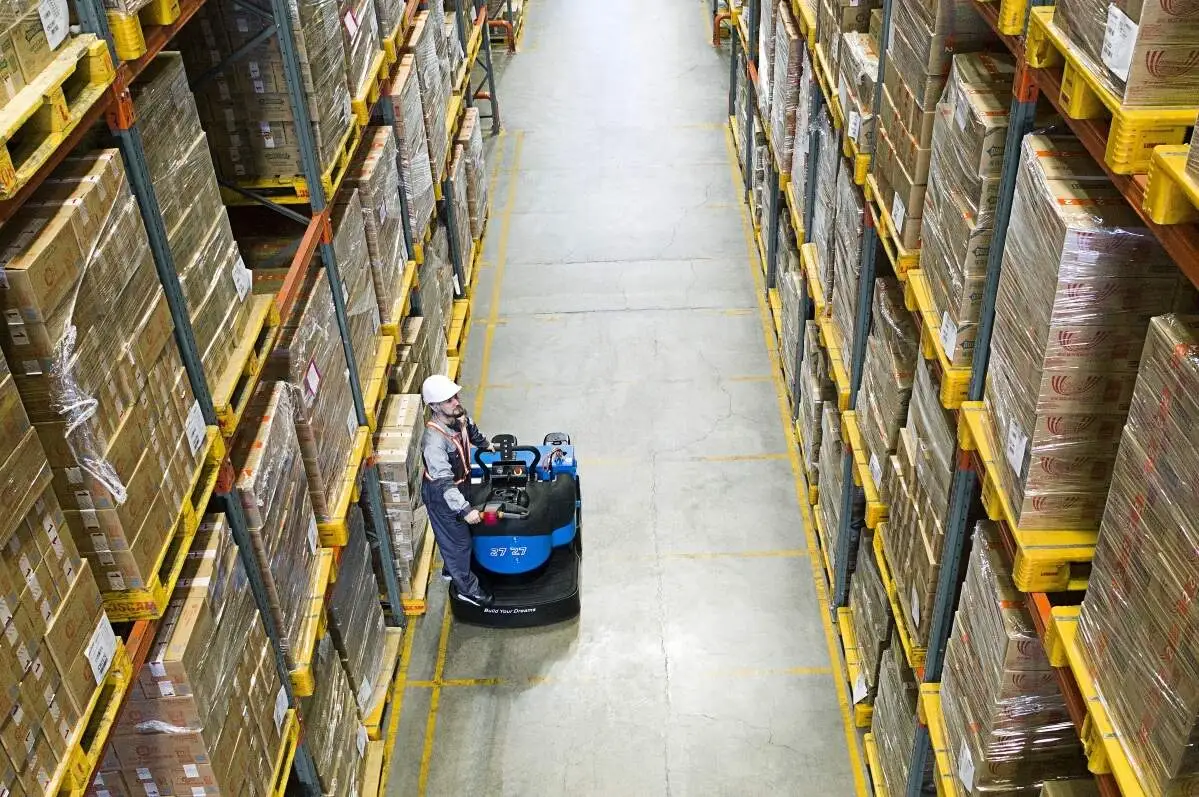
In industrial settings, forklift ramp operations pose inherent safety risks, making adherence to established compliance standards critical for protecting personnel and assets. Industrial regulatory bodies have outlined specific requirements to mitigate hazards associated with ramp use, covering everything from ramp design to daily operational practices.
Ramp Design Compliance
Industrial standards mandate strict parameters for ramp construction to ensure stability and safety. Slope ratios are a core requirement: most standards specify a maximum slope of 1:8 for general use, with steeper slopes (up to 1:6) permitted only for light-duty operations with specialized equipment. Surface traction is equally important—ramp surfaces must feature non-slip materials, such as textured concrete or embedded grit, to prevent forklift skidding during wet or oily conditions. Additionally, ramps must be wide enough to accommodate the full width of the forklift and its load, with minimum clearances to avoid collisions with side barriers. Guardrails or side edges are mandatory for ramps elevated more than 3 feet, a standard threshold, to prevent forklifts from veering off the structure.
Operational Protocol Compliance
Safe ramp operation requires strict adherence to standardized procedures. When ascending a ramp, operators must position the forklift’s load tilted backward to keep it secure and maintain clear visibility of the path ahead. Speed limits are enforced to prevent loss of control—most standards require operators to reduce speed to no more than 5 mph on ramps, with additional reductions for wet or uneven surfaces. When descending, operators should tilt the load slightly forward to counterbalance the forklift’s weight shift, keeping the machine in a controlled, low-speed state. Under no circumstances should operators attempt to turn on a ramp, as this increases the risk of tipping. Load limits for ramps are also defined, with reduced capacities for steeper slopes to ensure structural integrity and forklift stability.
Maintenance and Inspection Compliance
Regular maintenance and inspection are key to sustaining ramp compliance. Industrial standards require daily pre-operation checks by forklift operators, including inspections of ramp surfaces for cracks, wear, or loose materials that could compromise traction. Monthly comprehensive inspections by qualified personnel are also mandated, covering structural integrity, guardrail stability, and the condition of non-slip surfaces. Any defects must be documented and repaired promptly before the ramp is returned to use. Clear signage, including load limit notices, slope indicators, and safety warnings, must be posted prominently and kept legible to guide operators.
Personnel Training Compliance
Operators must receive specialized training on ramp operation compliance to meet industrial standards. Training programs cover standard-specific ramp design requirements, safe operational techniques, inspection protocols, and emergency response procedures for incidents such as skidding or tipping. Certification is mandatory, with regular refresher courses to ensure operators stay updated on revised standards. Supervisors also play a role in enforcing compliance, conducting routine audits of ramp operations to identify and correct unsafe practices.
By adhering to these comprehensive compliance requirements, industrial facilities can minimize the risk of accidents, ensure regulatory adherence, and create a safer work environment for all personnel involved in forklift operations.