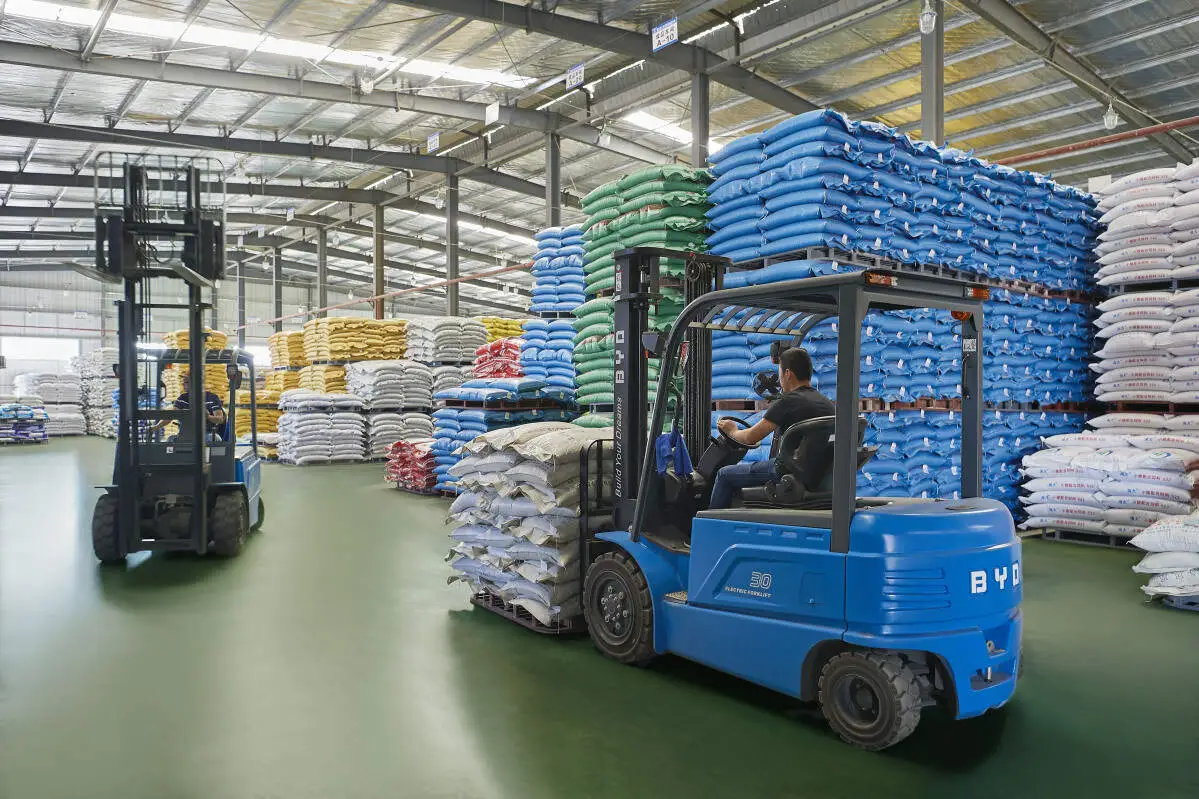
In busy warehouse environments, forklifts are indispensable workhorses that handle heavy loads daily, making their maintenance a critical aspect of smooth operations. Among the essential tools supporting forklift upkeep is the forklift tine anvil, a simple yet functional device designed to address common issues with forklift tines. Understanding its application purposes can help warehouse teams optimize forklift performance, enhance safety, and reduce operational costs.
One primary application of the forklift tine anvil is correcting tine straightness. Over time, repeated exposure to heavy loads, uneven surfaces, and improper lifting practices can cause forklift tines to bend or warp. A bent tine not only compromises the forklift’s ability to securely grip pallets but also increases the risk of load slippage, which can lead to accidents and product damage. Using a tine anvil, maintenance personnel can carefully apply controlled force to the bent area, gradually restoring the tine to its original straight shape. This ensures the tines align perfectly with the forklift carriage, allowing for stable and safe load handling during routine warehouse tasks like pallet stacking, loading, and unloading.
Another key purpose is repairing minor tine deformations. In day-to-day warehouse operations, tines may develop small dents, twists, or irregularities from accidental collisions with racks, walls, or other equipment. Instead of scheduling costly off-site repairs or replacing the entire tine assembly, teams can use the tine anvil to address these minor issues on-site. By strategically positioning the anvil and using appropriate striking tools, technicians can reshape the affected area, restoring the tine’s structural integrity without disrupting daily operations. This on-the-spot repair capability minimizes downtime, ensuring forklifts are back in service quickly to meet warehouse productivity targets.
The forklift tine anvil also plays a role in enhancing load stability. When tines are misaligned or deformed, they may not sit flush against pallet boards, creating gaps that cause loads to shift during transport. This instability increases the likelihood of load tipping, which poses risks to both warehouse staff and inventory. By using the anvil to maintain properly aligned and straight tines, forklift operators can ensure a secure fit between tines and pallets. This improved contact reduces load movement, making it safer to transport heavy or fragile items across the warehouse, even in narrow aisles or busy traffic areas.
Additionally, regular use of the tine anvil contributes to extending the overall lifespan of forklift tines. Neglecting minor deformations can lead to more severe structural damage over time, requiring complete tine replacement which is both expensive and time-consuming. By proactively using the anvil to correct small issues as they arise, warehouse teams can prevent further deterioration of the tines. This proactive maintenance approach reduces the frequency of replacement parts and lowers long-term operational costs, while also ensuring forklifts remain reliable for daily tasks.
In conclusion, the forklift tine anvil is a versatile tool that supports multiple critical functions in warehouse work. From correcting straightness and repairing minor deformations to enhancing load stability and extending tine lifespan, its applications directly impact warehouse safety, efficiency, and cost-effectiveness. Integrating the use of this tool into regular forklift maintenance routines can help warehouse operations run smoothly, minimizing downtime and maximizing productivity.