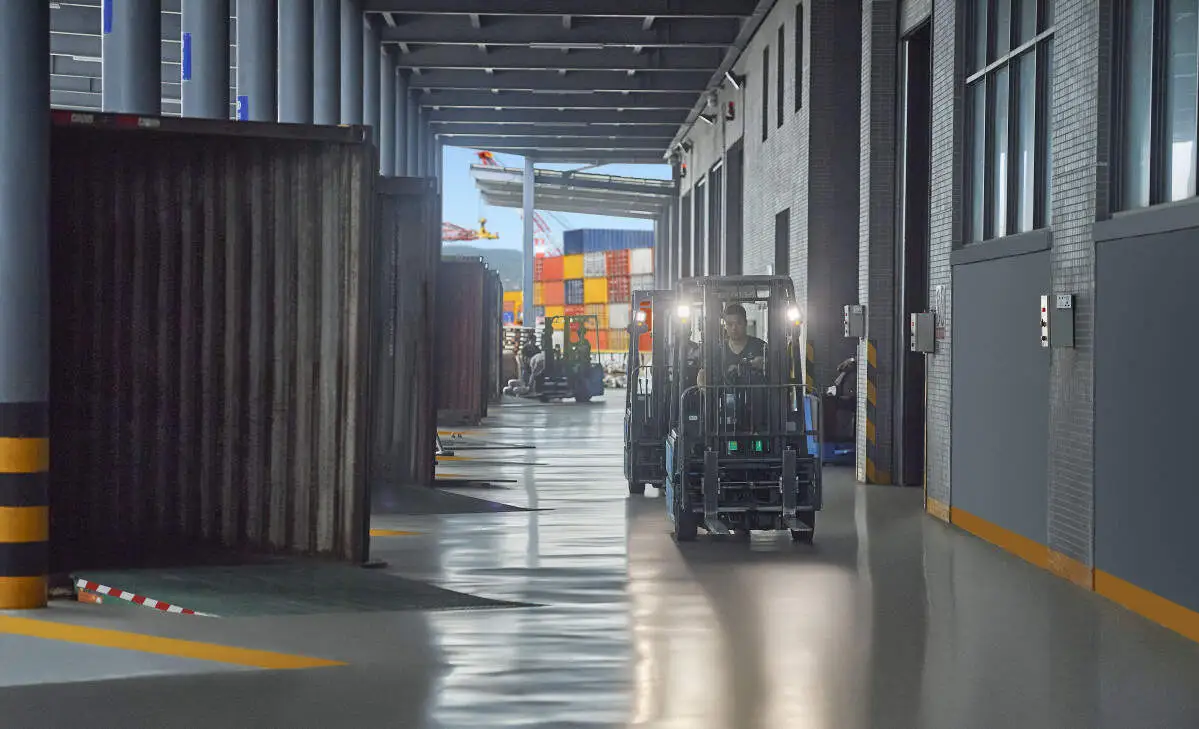
Indoor warehouses often rely on smooth, polished floor surfaces like epoxy or vinyl to support efficient material handling and maintain a professional appearance. However, standard forklift tires, which contain carbon black to enhance durability, can leave unsightly black marks and scuffs on these delicate floors over time. This is where non-marking forklift tires come into play, offering a range of practical application values tailored to the unique needs of indoor warehouse environments.
One of the primary benefits of non-marking forklift tires is their ability to protect warehouse floor surfaces. Unlike traditional tires, non-marking variants are formulated without carbon black, using alternative compounds that prevent the transfer of dark residue. This eliminates the risk of permanent scuffs and stains, preserving the integrity and aesthetic of the floor. For warehouses that invest in high-quality flooring systems, this protection translates to reduced repair and replacement costs over the long term, as the floor maintains its structural and visual appeal for longer.
Another significant value lies in reduced cleaning and maintenance expenses. Black tire marks can be stubborn to remove, requiring frequent deep cleaning with specialized chemicals and equipment. In large warehouses, this process consumes valuable labor hours and increases operational costs. Non-marking tires eliminate the need for constant cleaning of tire residue, allowing staff to focus on core material handling tasks. Over time, the savings on cleaning supplies and labor can offset any initial price difference between non-marking and standard tires.
Safety is also a critical consideration in indoor warehouse operations. Tire marks on floors can create visual clutter that distracts workers and obscures potential hazards like spillages or uneven surfaces. Non-marking tires keep floors clear, improving visibility and reducing the risk of slips, trips, and falls. Additionally, these tires are designed with optimized tread patterns that provide reliable grip on smooth indoor floors, minimizing the chance of forklift skidding and enhancing overall workplace safety.
For warehouses operating in industries with strict hygiene standards, such as food processing, pharmaceuticals, or electronics manufacturing, non-marking forklift tires offer essential compliance support. The absence of carbon black residue means there is no risk of contaminating products or work areas, aligning with cleanroom and food safety regulations. This makes non-marking tires a viable solution for facilities where even minor contamination can lead to significant compliance issues or product damage.
Finally, non-marking tires contribute to improved operational efficiency. By reducing the time spent on floor cleaning and minimizing the risk of floor-related downtime due to repairs, warehouses can maintain a steady workflow. Forklift operators do not need to pause for frequent floor cleaning, and the consistent condition of the floor ensures uninterrupted material movement. This efficiency boost can lead to faster order fulfillment and better overall productivity.
In conclusion, non-marking forklift tires are more than just a specialized component; they are a strategic investment for indoor warehouses. From protecting floor surfaces and cutting maintenance costs to enhancing safety and meeting hygiene requirements, their application values make them a practical choice for modern warehouse management aiming to optimize operations and maintain high standards.