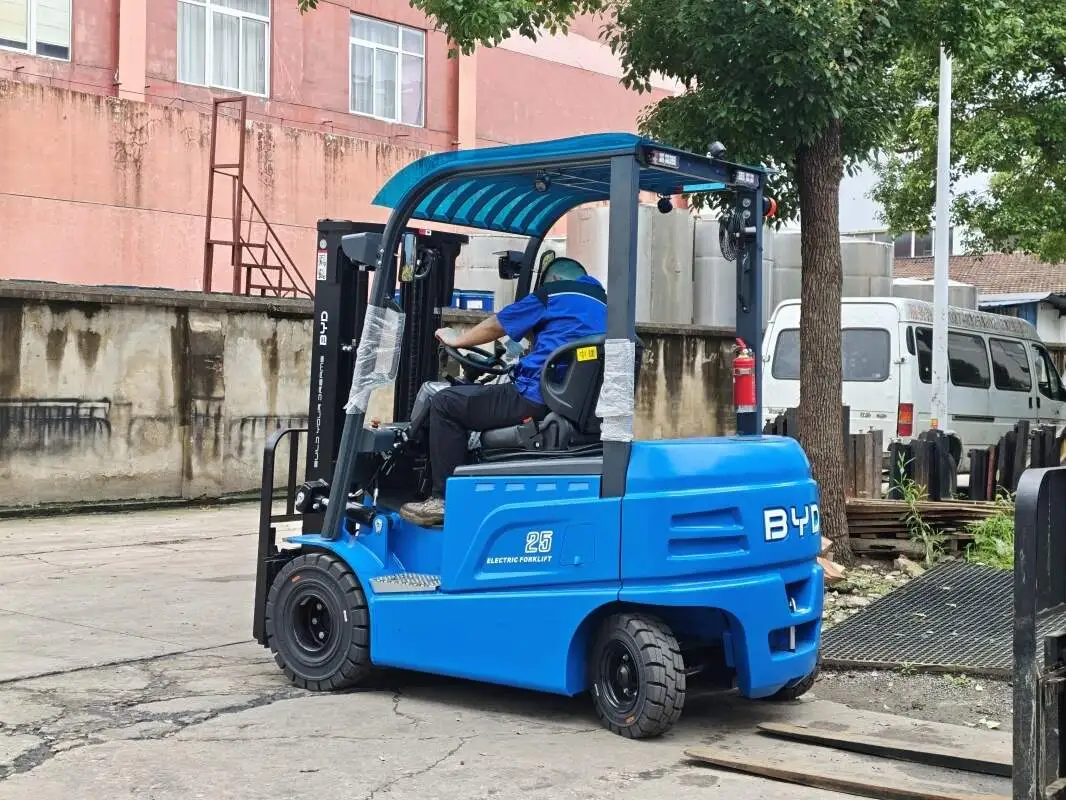
When tackling large-scale material handling jobs, choosing the right equipment is critical to ensuring efficiency, safety, and operational success. A 10-ton forklift is a workhorse for heavy-load tasks, but hiring one requires careful consideration to meet your specific needs. Below are key points to guide your 10-ton forklift hire process for large-scale operations.
Assess Your Specific Material Handling Needs
Before initiating a rental, conduct a thorough assessment of your job requirements. Start by analyzing the types of cargo you’ll handle—whether it’s bulky industrial components, heavy pallets, or oversized materials. Consider the operating environment too: indoor warehouses may benefit from electric 10-ton forklifts for zero emissions and low noise, while outdoor or rough-terrain sites might require models with robust traction and weather-resistant features. Evaluate the daily operating hours and lift height requirements to ensure the forklift can perform consistently without straining. This assessment helps you narrow down the most suitable forklift type, avoiding unnecessary costs or operational limitations.
Verify Equipment Condition and Maintenance Records
A well-maintained 10-ton forklift is essential to minimize downtime and safety risks. When evaluating rental options, request to inspect the equipment in person or review detailed maintenance records. Check critical components such as the hydraulic system, tires, brakes, and battery (for electric models) for signs of wear or damage. Ensure regular servicing has been performed, including oil changes, filter replacements, and battery checks. A rental provider should be transparent about the forklift’s operational history, as this indicates its reliability. Avoid hiring equipment with unresolved mechanical issues, as these can lead to costly delays mid-project.
Clarify Rental Terms and Contract Details
Clear communication about rental terms is vital to prevent misunderstandings. Discuss the rental duration—whether you need the forklift for a short-term project or extended period—and confirm how pricing is structured, including any additional fees for overtime, delivery, or maintenance. Ensure the contract outlines who is responsible for repairs, insurance coverage, and compliance with safety regulations. Clarify the delivery and pickup schedule to align with your project timeline, and ask about flexible options if your needs change unexpectedly. Review the contract thoroughly before signing to ensure all terms are fair and align with your operational requirements.
Ensure Operator Competency and Training
Even the most reliable forklift can pose risks if operated by untrained personnel. Prioritize hiring or assigning operators who hold valid certifications for 10-ton forklifts. Verify that they have experience handling heavy loads in large-scale settings and are familiar with the specific model you’re renting. If needed, arrange additional training sessions provided by the rental provider to ensure operators understand the forklift’s unique features, safety protocols, and emergency procedures. Competent operators not only reduce accident risks but also enhance operational efficiency by minimizing load handling errors.
Prioritize Safety Compliance and Risk Mitigation
Safety should be a top priority in every material handling operation. Ensure the rented 10-ton forklift meets relevant industry safety standards, including proper labeling, functional safety features like seatbelts, warning lights, and backup alarms. Conduct a risk assessment of your work area, identifying potential hazards such as narrow aisles, uneven floors, or overhead obstacles. Implement safety protocols such as speed limits, designated load zones, and regular equipment checks during the rental period. Encourage open communication among your team to report any safety concerns promptly, ensuring a secure working environment for everyone involved.
By focusing on these key points, you can streamline your 10-ton forklift hire process and set your large-scale material handling project up for success. Taking the time to assess your needs, verify equipment condition, clarify rental terms, ensure operator competency, and prioritize safety will help you maximize efficiency, minimize risks, and achieve your project goals smoothly.