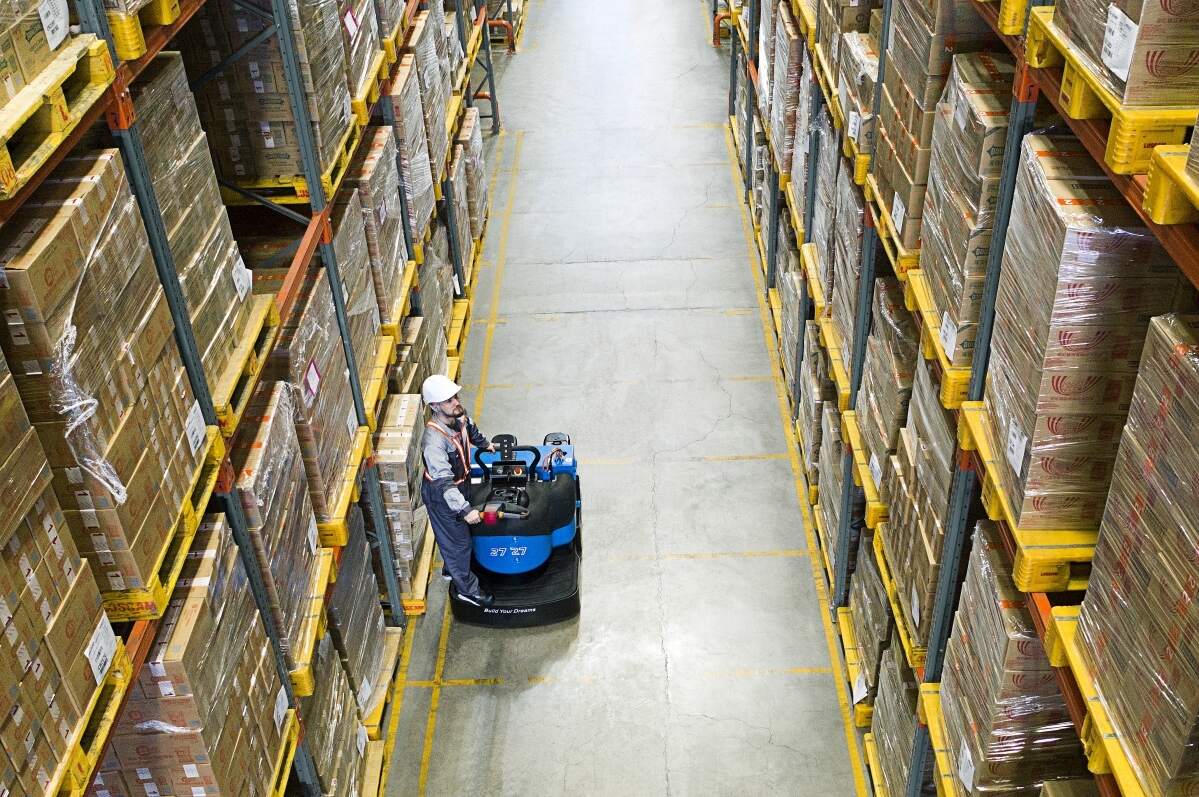
Operating electric forklifts in Australian workplaces requires strict adherence to national and state-based site standards to ensure worker safety and regulatory compliance. Under the Work Health and Safety (WHS) Act 2011, employers and operators bear legal responsibilities to maintain a safe working environment, with specific guidelines tailored to forklift operations.
First and foremost, operator training and licensing are non-negotiable compliance requirements. All electric forklift operators must hold a valid high-risk work licence (HRWL) issued by the relevant state or territory authority. This licence requires completion of a nationally recognised training course that covers forklift operation principles, load stability, hazard identification, and emergency procedures. Employers must also provide site-specific induction training to familiarise operators with unique workplace hazards, such as narrow aisles, uneven terrain, or proximity to pedestrian zones.
Regular pre-use inspections and scheduled maintenance are critical to upholding compliance. Before each shift, operators must conduct a visual and functional check of the electric forklift, including battery condition, brake responsiveness, steering controls, lights, and load-handling attachments. Any defects or issues must be reported immediately, and the forklift taken out of service until repairs are completed by a qualified technician. Scheduled maintenance should follow manufacturer recommendations and local regulatory guidelines, with detailed records kept for audit purposes.
Load handling practices must align with Australian site standards to prevent tipping or load-related incidents. Operators must never exceed the forklift’s rated load capacity, which is clearly marked on the equipment. When lifting loads, ensure they are properly secured and balanced, with forks positioned correctly under the load. Site-specific rules may include speed limits, designated forklift zones, and procedures for interacting with pedestrians, such as using warning horns and maintaining a safe distance at all times.
Comprehensive documentation is essential to prove ongoing compliance. Employers must maintain records of operator training and licences, pre-use inspection reports, maintenance logs, and incident investigations. These records must be readily accessible for inspection by WHS regulators, who may conduct random audits to ensure adherence to standards. In some states, additional documentation such as site safety plans or risk assessments for forklift operations may be required to address specific workplace risks.
Finally, emergency preparedness is a key compliance component. Workplaces must have clear emergency procedures in place for forklift-related incidents, such as collisions, battery leaks, or fires. Operators should be trained in first aid and emergency response protocols, with access to appropriate safety equipment including fire extinguishers, spill kits, and first aid kits. Regular emergency drills can help ensure all personnel are familiar with procedures and can respond effectively in critical situations.
Failing to comply with Australian site standards for electric forklift equipment can result in significant penalties, including fines and legal action. By prioritising operator training, regular inspections, proper load handling, accurate documentation, and emergency preparedness, employers and operators can create a safe workplace while meeting all regulatory requirements. It is also important to stay updated on any changes to WHS regulations or site-specific standards to maintain ongoing compliance.