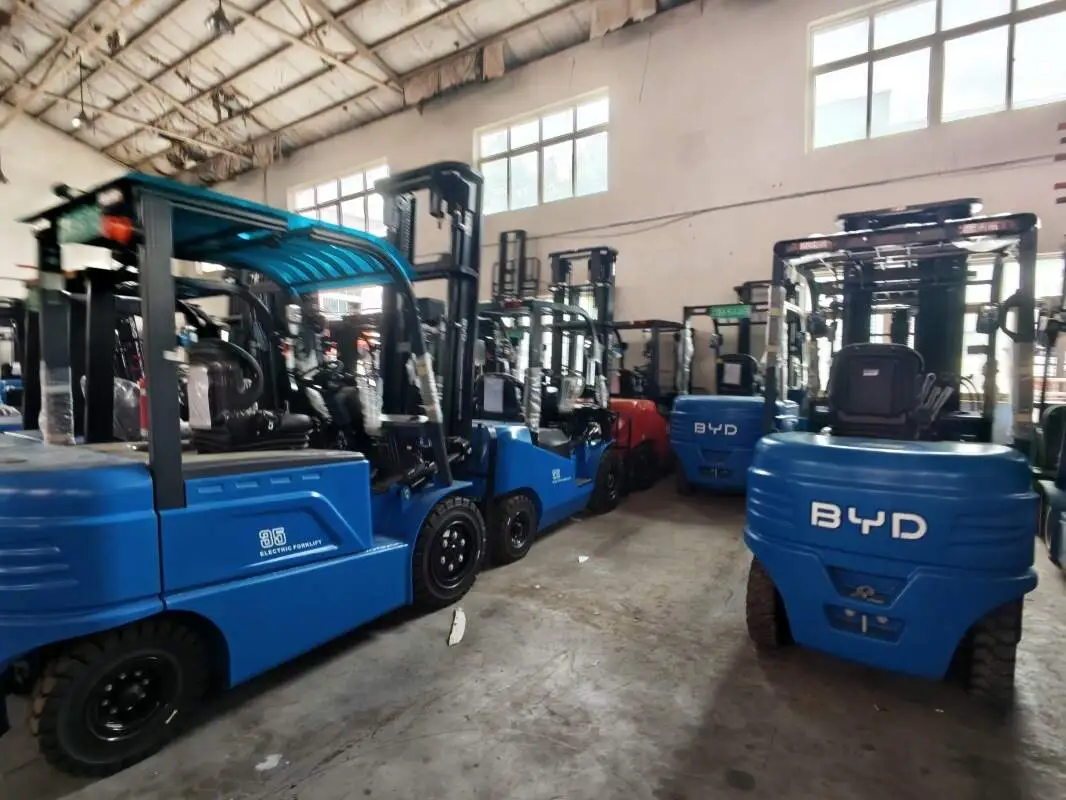
Managing a fleet of multiple forklift units often presents significant operating cost challenges for businesses, from maintenance and energy expenses to downtime and operator-related costs. Implementing targeted strategies can help mitigate these expenses while boosting overall fleet efficiency.
Proactive preventive maintenance is a foundational approach to reducing long-term costs. Instead of waiting for equipment failures to occur, scheduled inspections and routine servicing can catch minor issues before they escalate into costly repairs. For example, regularly checking hydraulic systems, tire wear, and brake components can prevent unexpected breakdowns that lead to downtime and emergency repair fees. Over time, this proactive approach extends the lifespan of each forklift, reducing the need for premature replacements and lowering capital expenditure.
Investing in comprehensive operator training is another critical cost-saving measure. Well-trained operators are more likely to handle forklifts safely and efficiently, minimizing the risk of accidents, equipment damage, and associated repair costs. Training should cover proper load handling techniques, safe operation in various warehouse environments, and basic routine checks to identify potential issues early. By reducing operator error, businesses can cut down on downtime caused by accidents and extend the operational life of their forklift fleet.
Optimizing fleet size and utilization also plays a key role in reducing operating costs. Conducting regular assessments of forklift usage patterns can help identify underutilized equipment that contributes unnecessary overhead. For instance, if certain forklifts are only used during peak hours, businesses can adjust their fleet size to match actual demand, avoiding the costs of maintaining and insuring idle units. Additionally, optimizing routing and scheduling can reduce unnecessary travel time, lowering energy consumption and increasing overall productivity.
Energy management is particularly important for electric forklift fleets. Implementing smart charging practices, such as charging during off-peak electricity hours, can significantly reduce energy costs. Regularly maintaining battery health, including cleaning terminals and ensuring proper water levels, extends battery lifespan and reduces the need for costly replacements. For fuel-powered forklifts, encouraging operators to avoid unnecessary idling and using fuel-efficient driving techniques can cut down on fuel expenses over time.
By combining these approaches—proactive maintenance, operator training, fleet optimization, and energy management—businesses can effectively reduce the operating costs associated with managing multiple forklift units. These strategies not only lower immediate expenses but also enhance long-term fleet reliability and productivity, providing a solid return on investment.