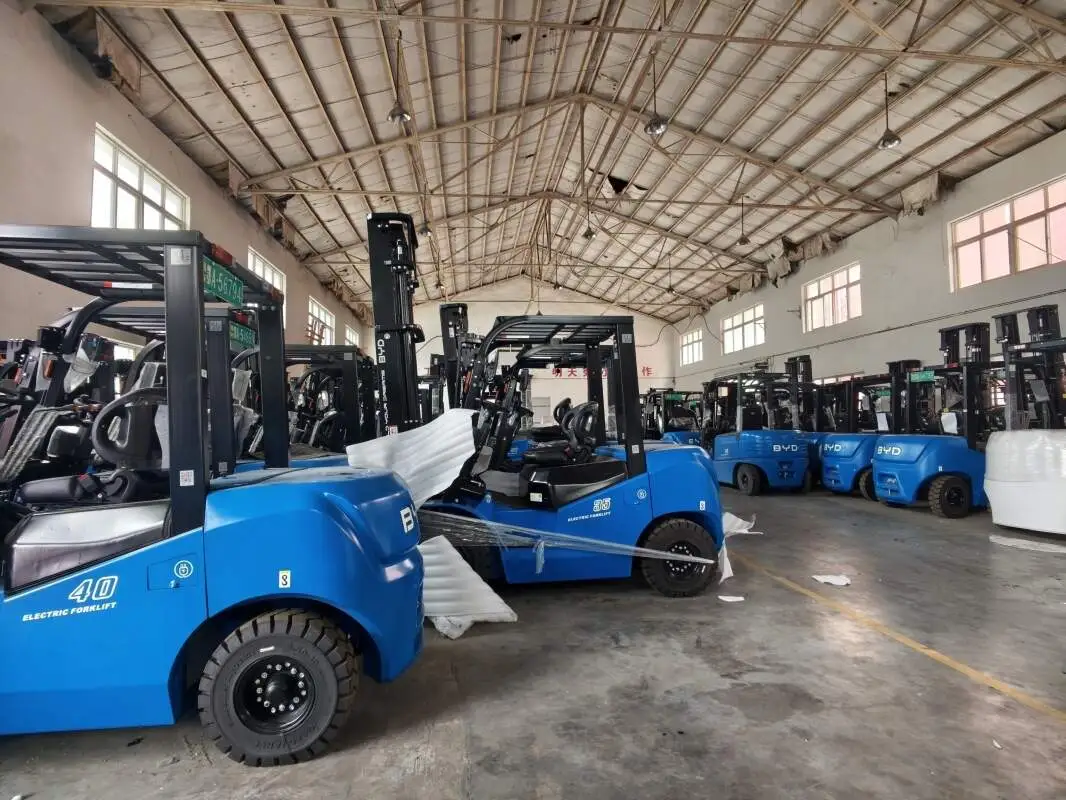
forklift attachments extend the versatility of these industrial workhorses, allowing them to handle a wide range of loads beyond standard pallets. However, not all attachments work with every forklift carriage type, making compatibility a critical consideration for safe and efficient operations. Understanding how different carriage designs pair with specific attachments is essential for warehouse managers, operators, and maintenance teams alike.
The standard forklift carriage is the most common design, featuring a basic frame that supports standard forks. This carriage type is compatible with a range of foundational attachments. For example, pallet forks are a universal fit, as they align with the standard mounting points. Additionally, fork positioners, which adjust the distance between forks to accommodate different pallet sizes, are often compatible with standard carriages, provided they match the carriage’s width and load capacity. Other compatible attachments include drum handlers, which can be mounted to the carriage’s fork pockets, and push-pull attachments for handling slip sheets. When pairing attachments with standard carriages, always verify the attachment’s mounting interface and weight rating to ensure it aligns with the carriage’s specifications.
Side-shift carriages add the ability to move forks horizontally, enhancing precision when positioning loads. This design introduces modified mounting points, so compatibility requires closer scrutiny. Most fork-based attachments, such as pallet forks and fork positioners, can still be used with side-shift carriages, but they must be designed to work with the side-shift mechanism’s sliding frame. Clamp attachments, which grip loads from the sides, are also compatible if they are engineered to attach to the side-shift carriage’s extended mounting brackets. It’s important to note that some heavy-duty attachments may not be suitable for side-shift carriages due to the additional stress placed on the sliding components. Always consult the carriage’s load capacity limits when pairing with heavier attachments.
Multi-purpose carriages are engineered for maximum flexibility, featuring multiple mounting points and adjustable frames. This type supports a broad spectrum of attachments, including rotating clamps, bale handlers, and carton clamps. Rotating clamps, which spin loads for stacking or orientation, rely on the multi-purpose carriage’s reinforced mounting brackets to handle the rotational forces. Bale handlers, designed for handling hay or cotton bales, attach to the carriage’s specialized fork pockets or side mounts. When using multi-purpose carriages, it’s crucial to ensure that the attachment’s mounting configuration matches the carriage’s available points. Some attachments may require adapter plates to bridge any gaps between the attachment and carriage, so checking for adapter compatibility is an important step.
To ensure safe and effective compatibility across all carriage types, follow key best practices. Always refer to the forklift and attachment manufacturer’s guidelines for detailed specifications on acceptable pairings. Inspect both the carriage and attachment for signs of wear or damage, such as worn pins or bent frames, which could compromise stability. Conduct a test lift with a light load before full-scale use to verify smooth, secure movement between the attachment and carriage. Finally, train operators on the specific combination, ensuring they understand safe operation protocols.
By prioritizing attachment compatibility, businesses can optimize material handling operations, reduce equipment damage risks, and enhance workplace safety. Matching the right attachment to the appropriate carriage design ensures every task is performed with precision and reliability.