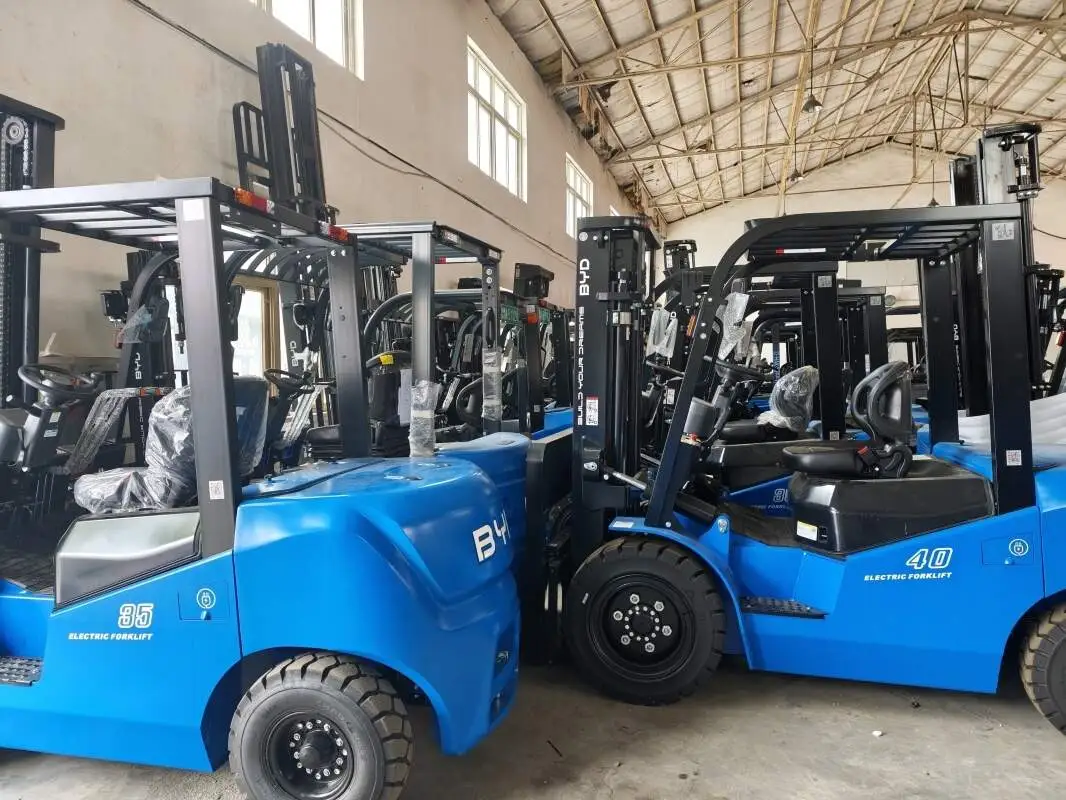
Selecting the right loading ramp for your electric forklift is a critical step in ensuring safe, efficient material handling operations. Overlooking key factors like weight-rating compatibility and ground-clearance requirements can lead to equipment damage, safety hazards, and operational delays. This guide breaks down the essential notes to keep in mind when choosing a loading ramp tailored to your electric forklift’s needs.
First and foremost, matching the ramp’s weight rating to your electric forklift’s specifications is non-negotiable. The ramp’s weight rating should not only accommodate the forklift’s base operating weight but also the maximum load it carries. It’s important to account for dynamic forces that occur during operation—such as when the forklift accelerates onto the ramp, brakes, or turns. Even if the static weight of the forklift and load falls within the ramp’s rating, these dynamic forces can create additional stress that exceeds the ramp’s capacity over time. Always verify the ramp’s stated weight rating and ensure it provides a safe margin above the combined weight of your forklift and its heaviest typical load. Additionally, consider repeated use: ramps designed for frequent, heavy-duty cycles will have different structural integrity than those intended for occasional light loads.
Ground clearance is another vital factor that directly impacts ramp usability and safety. Your electric forklift’s minimum ground clearance refers to the lowest point of the vehicle that sits above a flat surface. When selecting a ramp, you must ensure that the ramp’s entry and exit transitions do not cause the forklift’s undercarriage to scrape or catch. This means evaluating the height difference between the ground and the loading platform, as well as the ramp’s slope. A steeper slope can reduce effective ground clearance, even if the ramp’s surface height seems compatible. For forklifts with lower ground clearance, look for ramps with gradual entry angles or built-in transition plates that smooth the shift between ground and ramp. It’s also important to inspect the ramp’s surface for any uneven areas or debris that could further compromise ground clearance during operation. Regular maintenance of both the forklift’s undercarriage and the ramp’s surface will help preserve clearance and prevent unnecessary wear.
Beyond weight rating and ground clearance, there are additional operational considerations to enhance safety. Always inspect the ramp before each use to check for structural damage, loose components, or surface wear. Ensure the ramp is securely positioned and stabilized against the loading platform to prevent shifting. When operating the forklift on the ramp, maintain a slow, steady speed and avoid sudden turns or stops. Train operators to recognize signs of ramp incompatibility, such as scraping noises or difficulty maneuvering, and to stop operations immediately if any issues arise.
Taking the time to carefully evaluate weight-rating and ground-clearance factors when selecting a forklift loading ramp is an investment in both safety and operational efficiency. By aligning the ramp’s specifications with your electric forklift’s needs and following proper operational practices, you can minimize the risk of accidents, extend equipment lifespan, and keep material handling operations running smoothly.