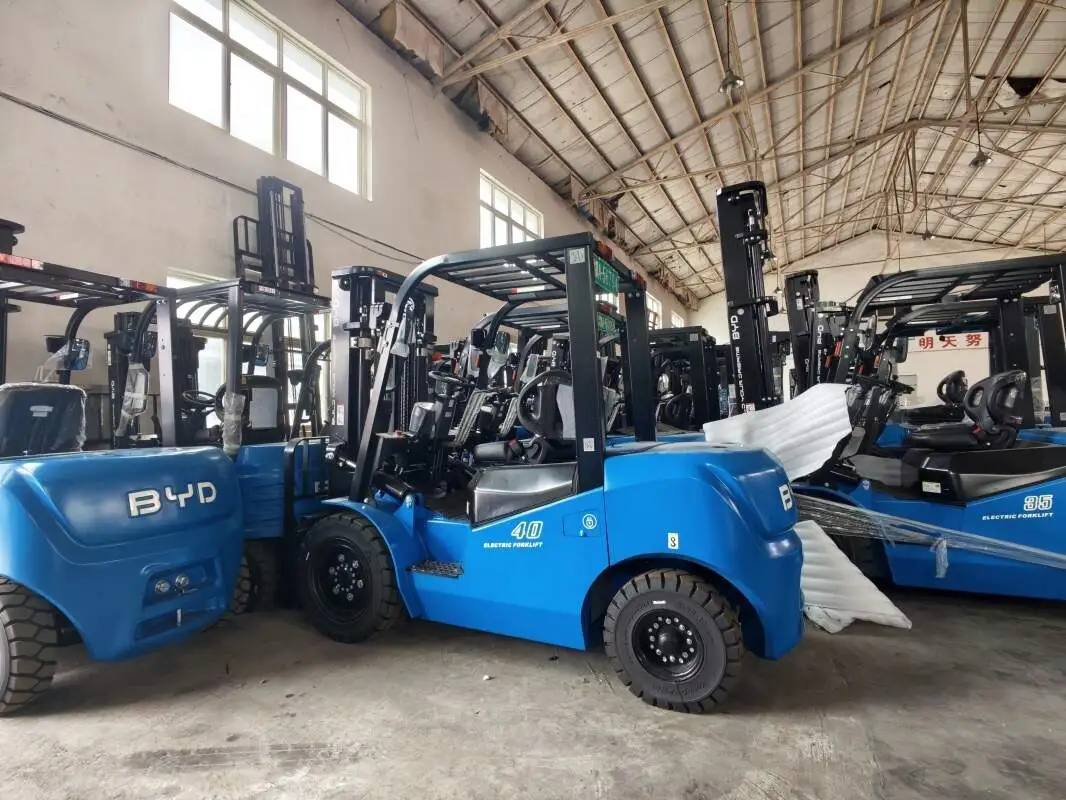
The US industrial and logistics sectors are increasingly turning to compact small forklifts to address space constraints and efficiency demands in modern work environments. These specialized lift vehicles are designed to navigate narrow aisles, tight loading docks, and confined storage areas that larger forklifts cannot access, making them a valuable asset for a wide range of operations.
Key Compact Small forklift Models Available in the US
Several categories of compact small forklifts are supplied across the US market, each tailored to specific operational needs. Three-wheel compact electric forklifts are a popular choice for indoor applications, as their tight turning radius allows for easy maneuvering in cramped warehouse aisles. They operate quietly and produce zero emissions, making them suitable for facilities with strict air quality requirements, such as food storage or pharmaceutical distribution centers.
Four-wheel compact electric forklifts, on the other hand, offer enhanced stability when lifting heavier loads or operating on slightly uneven surfaces. These models are often used in mixed indoor-outdoor settings, such as retail distribution yards or small manufacturing plants, where occasional trips over paved exterior areas are necessary. Additionally, narrow-aisle compact forklifts are engineered to fit into aisles as narrow as six feet, maximizing vertical storage space utilization in high-density warehouses.
Ideal Applications for Compact Small Forklifts
Compact small forklifts excel in a variety of use cases across the US. In small to medium-sized warehouses, they streamline inventory management by allowing workers to access storage racks in tight spaces without sacrificing lifting capacity. Retail stores and grocery chains also rely on these forklifts for backstock organization, where limited storage space behind sales floors requires agile equipment.
Light industrial facilities, including assembly lines and component manufacturing plants, use compact forklifts to move materials between workstations efficiently. Their compact size reduces the risk of collisions with machinery or personnel, creating a safer work environment. Additionally, urban delivery hubs with limited loading dock space benefit from these forklifts, as they can quickly unload and sort shipments in confined areas.
Core Features to Consider
When evaluating compact small forklift models in the US market, several key features should be taken into account. Battery life is a critical factor for electric models, as longer-lasting batteries reduce downtime for recharging. Many suppliers offer models with fast-charging capabilities, allowing for quick top-ups during shift breaks.
Lifting capacity ranges typically from 1,500 to 5,000 pounds, so it’s important to select a model that matches the average weight of loads being handled. Operator comfort features, such as ergonomic seating and intuitive control panels, can reduce fatigue during long shifts, improving overall productivity. Additionally, maneuverability features like adjustable steering sensitivity and compact turning radii ensure the forklift can navigate the specific layout of your facility.
As the demand for efficient space-saving equipment continues to grow in the US, compact small forklifts remain a versatile and reliable solution for businesses looking to optimize their material handling operations. By understanding the available models and their unique benefits, businesses can select the right forklift to meet their operational needs and improve overall efficiency.