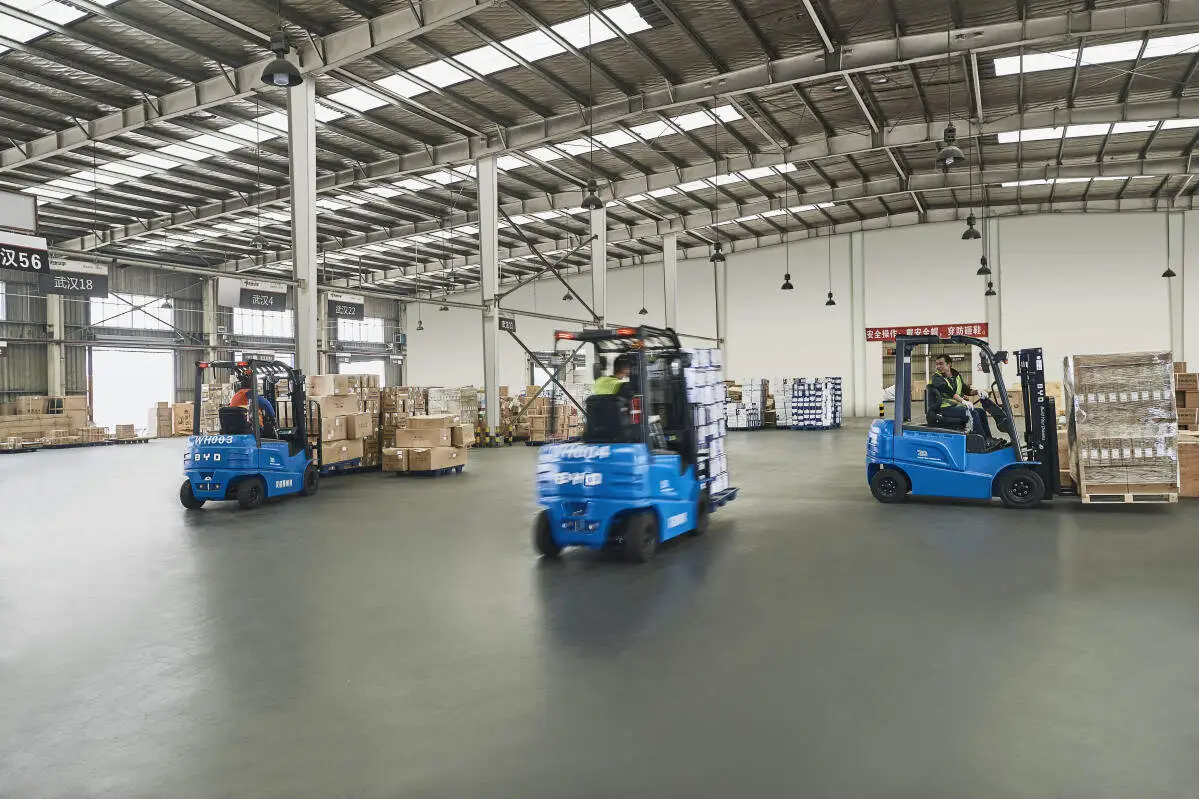
Navigating the international trading of forklift truck equipment requires careful attention to a range of critical factors to ensure smooth transactions and long-term business success.
Compliance with Regional Regulatory Standards
First and foremost, understanding and adhering to regional regulatory requirements is non-negotiable. Different countries and regions have distinct safety, emissions, and operational standards that forklift equipment must meet. For instance, markets in the European Union mandate CE marking to confirm conformity with health, safety, and environmental protection standards, while the United States requires compliance with OSHA regulations for workplace safety. Additionally, electric forklifts may face specific rules related to battery disposal and energy efficiency, which vary across jurisdictions. Failing to meet these standards can result in delayed customs clearance, fines, or even product bans, making pre-trade research and compliance checks essential.
Quality Assurance and Third-Party Certifications
Maintaining consistent product quality is vital to building trust with international clients and avoiding post-delivery disputes. Implementing rigorous quality control processes throughout the manufacturing and assembly stages helps identify defects before shipment. Moreover, obtaining recognized third-party certifications can enhance a product’s credibility in global markets. These certifications not only validate compliance with industry standards but also signal to buyers that the forklift equipment meets strict performance and safety benchmarks. Working with accredited testing bodies to conduct independent inspections can provide objective proof of quality, reducing the risk of returns or liability claims.
Secure Logistics and Packaging
The safe transportation of forklift equipment across borders demands specialized logistics planning. Electric forklifts, in particular, require careful handling due to their heavy batteries, which may be classified as hazardous materials under international shipping regulations. Choosing experienced freight forwarders with expertise in heavy machinery transport ensures that equipment is loaded, secured, and transported correctly to prevent damage. Proper packaging is equally important; using durable materials and incorporating shock-absorbing components protects forklift parts during transit. Additionally, preparing accurate and complete documentation, including commercial invoices, packing lists, and certificates of origin, is critical for efficient customs clearance in the destination country.
Market Adaptation and After-Sales Support
Successfully exporting forklift equipment also involves adapting products to meet the specific needs of target markets. Local operating conditions, such as varying warehouse layouts, terrain types, and climate conditions, may require adjustments to forklift specifications, such as load capacity, lift height, or battery performance. Understanding these market nuances allows suppliers to offer tailored solutions that better align with client requirements. Furthermore, establishing reliable after-sales support networks is key to retaining customers. This includes providing spare parts, maintenance services, and technical training to clients in the destination country, ensuring that forklifts remain operational and minimize downtime.
Payment Terms and Risk Mitigation
Managing financial risks is a core aspect of international forklift trading. Choosing secure payment methods, such as letters of credit, can protect both buyers and sellers by ensuring payment is released only when predefined conditions are met, such as successful delivery or document verification. Additionally, hedging against currency fluctuations can help mitigate the impact of exchange rate changes on profit margins. Conducting thorough due diligence on potential clients to assess their creditworthiness reduces the risk of non-payment. Suppliers should also consider purchasing trade credit insurance to provide an extra layer of protection against financial losses.
By prioritizing these key points, businesses can navigate the complexities of international forklift trading, build strong global partnerships, and drive sustainable growth in the competitive heavy equipment market.