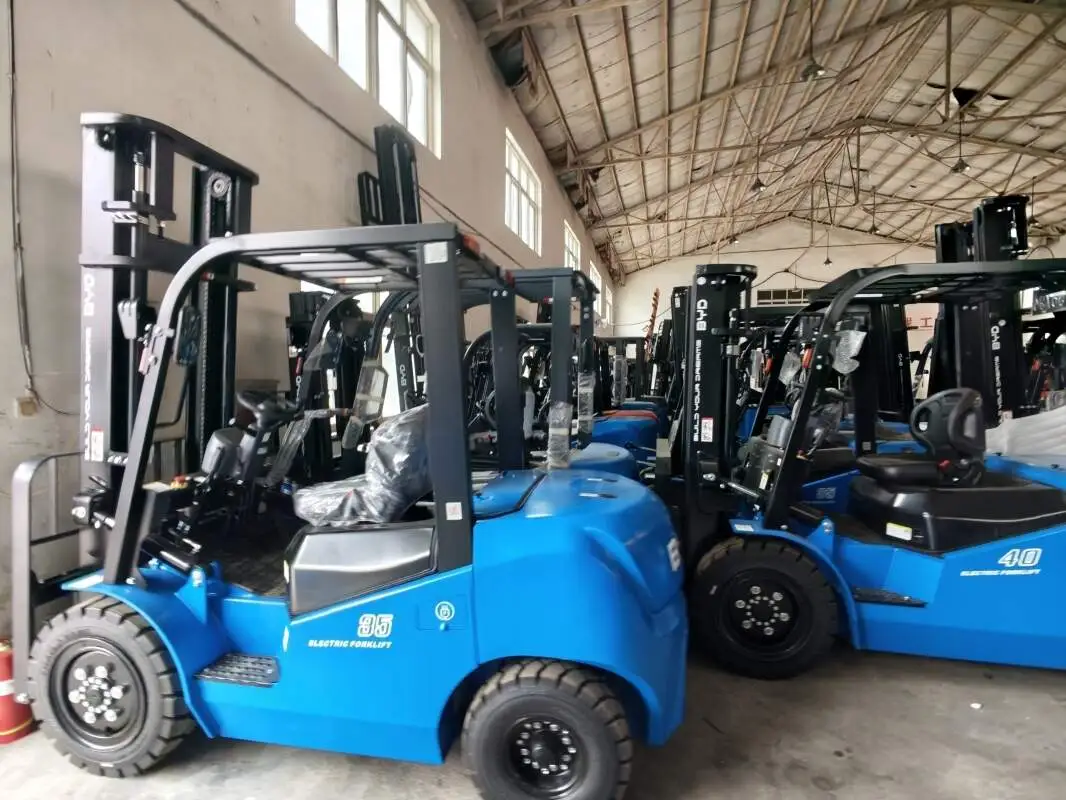
Matching the right replacement parts for your electric forklift according to its equipment model is critical for maintaining safety, performance, and longevity. Using incorrect parts can lead to operational failures, increased maintenance costs, and even safety hazards. Below are key tips to help you accurately match replacement parts based on your forklift’s specific model.
Consult the Official Equipment Manual
The first and most reliable resource for matching replacement parts is your forklift’s official equipment manual. This document contains detailed information about every component, including unique part numbers, specifications, and compatibility notes tailored to your specific model. When searching for replacements, cross-reference the part number listed in the manual with that of the part you intend to purchase. Even slight variations in part numbers can indicate differences in size, material, or functionality, so precise matching is essential.
Identify the Equipment Model and Serial Number
Every electric forklift has a model number and serial number, typically located on a metal plate affixed to the frame, mast, or dashboard. These identifiers provide suppliers with exact details about your forklift’s production year, configuration, and original components. Before ordering replacement parts, record both numbers and share them with your supplier. This ensures they can locate parts designed specifically for your forklift’s model, reducing the risk of incompatible components.
Verify Part Specifications and Compatibility
Beyond part numbers, it’s important to verify the physical and functional specifications of replacement parts. For example, if replacing a battery, check the voltage, capacity, and dimensions to ensure it fits properly in your forklift’s battery compartment and matches the power requirements of your model. For mechanical parts like forks or hydraulic components, confirm measurements, load ratings, and material composition. Even parts that look identical may have subtle differences that affect performance, so always compare specifications against your original component or manual.
Seek Guidance from Technical Experts
If you’re unsure about part compatibility, don’t hesitate to consult with technical experts who specialize in electric forklifts. These professionals have in-depth knowledge of various models and can help you navigate complex part matching scenarios. They can also provide advice on alternative parts that meet industry standards if the original component is discontinued. Working with experts minimizes the chance of errors and ensures you select parts that support your forklift’s optimal performance.
Conduct a Test Fit for Small Components
For smaller replacement parts like filters, sensors, or valves, consider conducting a test fit before completing installation. This allows you to check for proper alignment, fit, and functionality without fully committing to installation. If the part doesn’t fit as expected, you can return it or select a more suitable option before it impacts your forklift’s operation. Always follow safety protocols when performing test fits, such as disconnecting power sources and using appropriate tools.
By following these tips, you can confidently match replacement parts to your electric forklift’s equipment model, ensuring reliable operation and extending the lifespan of your machinery. Taking the time to verify compatibility and use trusted resources will help you avoid costly mistakes and keep your forklift running smoothly.