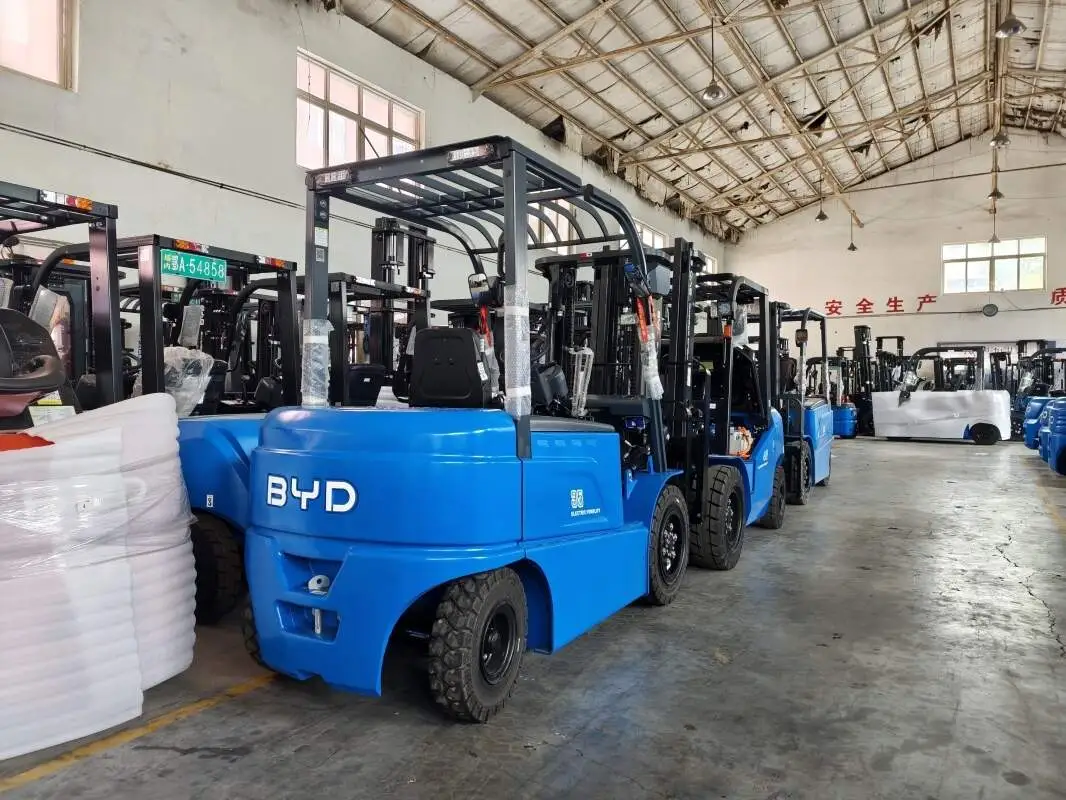
Modern distribution centers face growing pressure to streamline operations, minimize environmental impact, and prioritize worker safety amid rising demand for fast, reliable logistics. electric forklifts have emerged as a versatile solution to meet these challenges, offering a range of advantages over traditional internal combustion models.
One of the most significant benefits is their eco-friendly performance. Unlike forklifts powered by gasoline or diesel, electric variants produce zero tailpipe emissions, making them ideal for indoor operations where air quality is a concern. This aligns with the global shift toward sustainable logistics, helping distribution centers reduce their carbon footprint and meet environmental regulations. Additionally, electric forklifts operate at significantly lower noise levels, creating a quieter, more comfortable work environment that reduces operator fatigue and minimizes disruption to other warehouse activities.
Cost efficiency is another key advantage. While the upfront investment for electric forklifts may be higher than their fossil-fuel counterparts, the long-term operational savings are substantial. Electric power is generally cheaper than gasoline or diesel, and electric forklifts require less maintenance—there are no oil changes, fuel filters, or spark plugs to replace, reducing both service costs and downtime. Over time, these savings can offset the initial purchase price, making electric forklifts a cost-effective choice for long-term operations.
Safety is enhanced with electric forklifts. The absence of combustible fuel reduces the risk of fires and explosions in enclosed warehouse spaces. Many electric models also feature improved visibility, with compact designs that allow operators to maneuver more easily in narrow aisles and tight storage areas. The smooth, consistent power delivery of electric motors provides better control, reducing the likelihood of accidents caused by sudden jerks or shifts in movement. Furthermore, the lower noise levels help operators stay alert, as they can more easily hear warnings and communicate with colleagues on the warehouse floor.
Electric forklifts are highly adaptable to the unique needs of modern distribution centers. Many models are designed to operate in narrow aisles, supporting the high-density storage solutions that are increasingly common in today’s warehouses. They also offer consistent performance throughout a shift, with advanced battery technology allowing for extended operation times and quick charging options that minimize downtime. For distribution centers with 24/7 operations, swapable battery systems ensure that forklifts can be back in use within minutes, maintaining uninterrupted workflow.
In conclusion, electric forklifts deliver tangible benefits that address the core challenges of modern distribution centers. From reducing environmental impact and cutting operational costs to improving safety and enhancing operational flexibility, these machines are a valuable asset for any logistics facility looking to optimize its material handling operations. As the demand for sustainable and efficient logistics continues to grow, electric forklifts will play an increasingly important role in shaping the future of warehouse management.