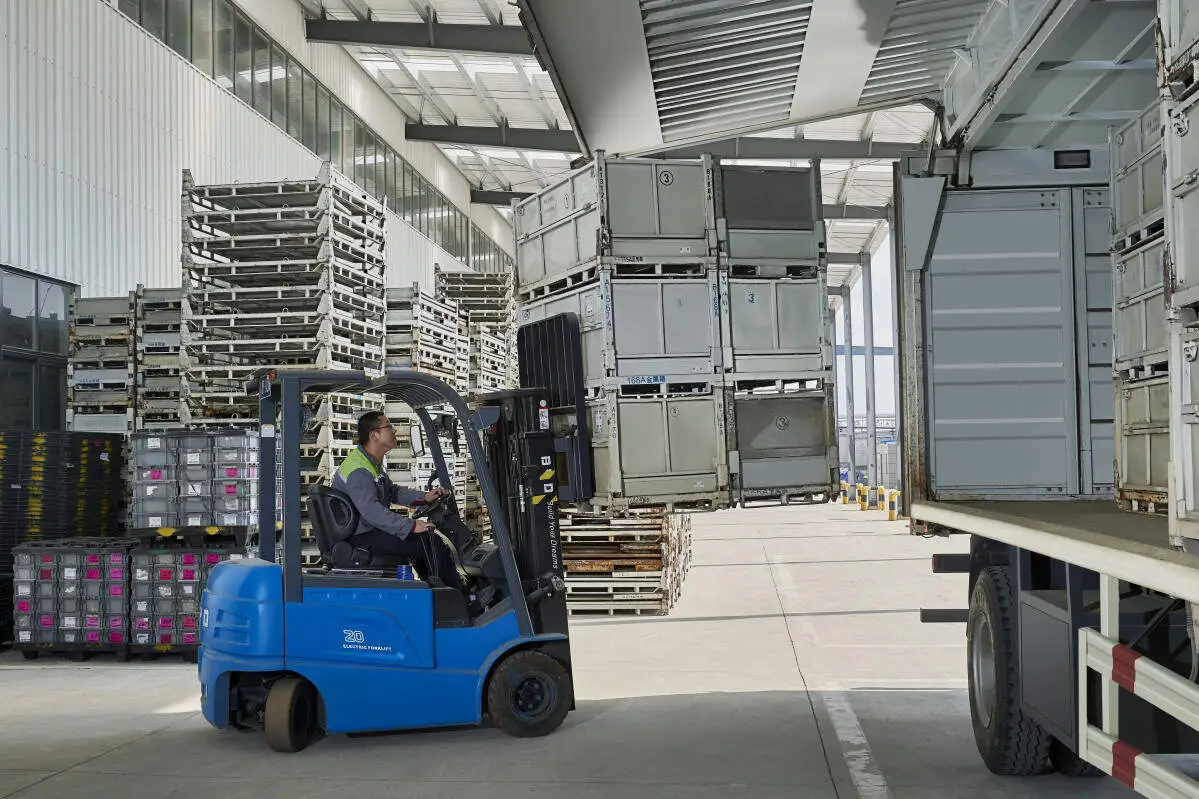
In industrial and warehouse environments, forklifts are indispensable tools for efficient material handling, but they also present inherent risks related to load stability. Tall, stacked loads or irregularly shaped items often shift during lifting, transit, or stacking, leading to cargo damage, workplace accidents, and operational delays. Addressing these challenges, backrest extension forklift attachments emerge as a targeted solution to boost load safety and streamline daily operations.
A backrest extension is a specialized attachment designed to extend the height of a standard forklift backrest. Unlike the fixed-height backrests on most basic forklifts, these extensions create a taller, more robust barrier that cradles loads from behind, preventing backward tipping or sliding. Typically constructed from durable metal, they are engineered to withstand the rigors of frequent use without compromising structural integrity. Most models are adjustable, allowing operators to match the extension height to the specific dimensions of the load, ensuring optimal support for everything from stacked pallets of cardboard boxes to lightweight machinery components.
One of the primary benefits of backrest extensions is enhanced load stability. By creating a taller support structure, they reduce the risk of loads shifting or falling off the forks during movement. This not only minimizes product damage, cutting down on replacement costs and waste, but also lowers the likelihood of workplace injuries caused by falling cargo. For facilities handling fragile or high-value items, this added layer of protection translates to practical cost savings and improved operational reliability.
Additionally, backrest extensions offer versatility across different forklift models and operational settings. They can be easily installed on most standard forklifts without requiring extensive modifications, making them a cost-effective upgrade for small and large operations alike. Whether used in busy warehouses, logistics distribution centers, or manufacturing facilities, these attachments adapt to various load types and handling tasks, supporting seamless workflow.
To maximize the effectiveness of backrest extensions, proper usage and maintenance are essential. Operators should receive training on how to adjust the extension to match load heights, ensuring it provides adequate support without obstructing visibility. Regular inspections are also critical—before each use, operators should check for signs of wear, bent components, or loose fasteners to ensure the attachment remains secure. Following these best practices ensures that the extension performs as intended, maintaining a high level of load safety over time.
In conclusion, backrest extension forklifts represent a reliable, practical solution to address common load safety challenges in material handling. By enhancing load stability, reducing risks of damage and injury, and adapting to diverse operational needs, these attachments help businesses maintain compliance with workplace safety standards while improving overall operational efficiency.