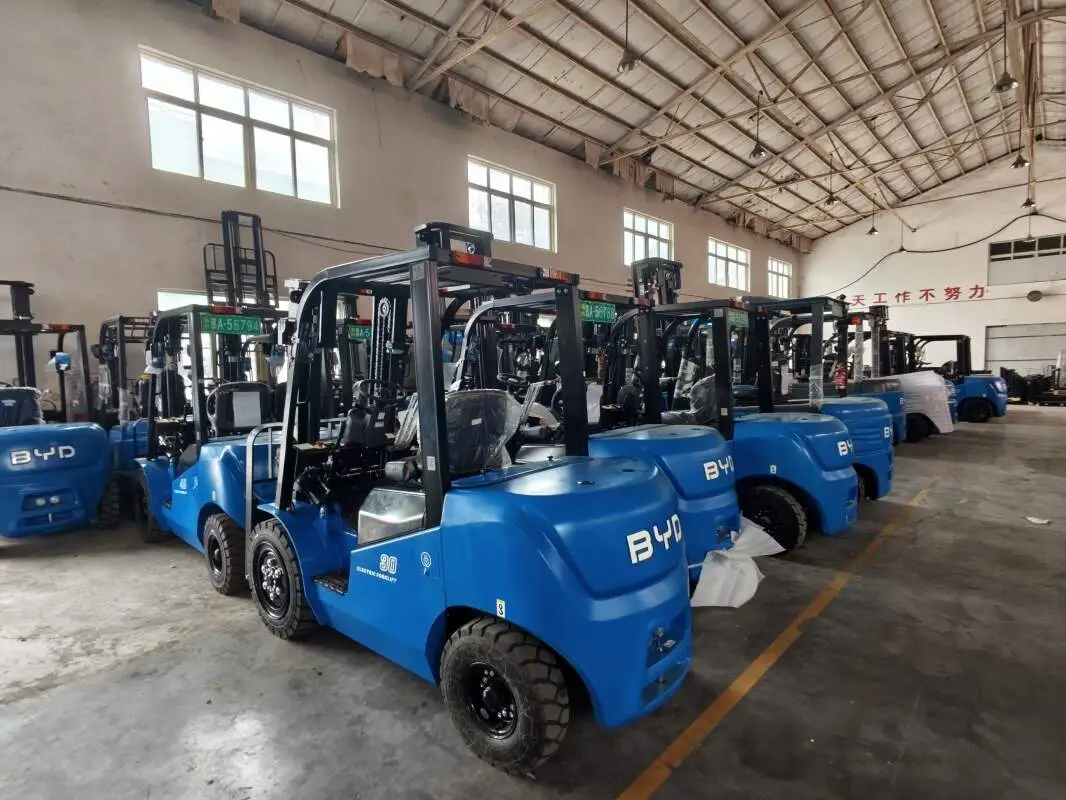
Operating a forklift in industrial or warehouse environments comes with inherent risks, including falling loads, shifting materials, and accidental collisions with structures or other equipment. Among the critical safety components designed to mitigate these hazards is the forklift carriage guard—a specialized protective device dedicated to safeguarding the operator during daily operations.
The core purpose of a forklift carriage guard is to establish a sturdy physical barrier between the operator’s compartment and the front load-handling area. When lifting or transporting heavy pallets and materials, there’s always a risk of items shifting, pallets breaking, or debris falling forward. The guard acts as a reliable shield, preventing these objects from entering the operator’s workspace and causing potential injury. Additionally, in situations where the forklift may collide with storage racks, walls, or machinery, the carriage guard absorbs and distributes impact force, reducing the risk of harm to the operator and minimizing damage to the cabin.
Effective carriage guards are engineered with a careful balance of durability and visibility. Constructed from high-strength steel or reinforced industrial materials, they are built to withstand heavy impacts without losing structural integrity. At the same time, their design incorporates open mesh panels or strategically placed gaps to maintain the operator’s clear line of sight. This ensures operators can monitor their loads, navigate tight spaces, and react to potential hazards promptly, without sacrificing protection. Compliance with industry safety standards is a foundational aspect of their design, as these standards outline minimum strength requirements and visibility thresholds to ensure the guard provides optimal protection under various operating conditions.
Regular maintenance is essential to keep the forklift carriage guard functioning effectively. Before each shift, operators should conduct a quick visual inspection to check for signs of damage, such as bent frames, cracked welds, loose bolts, or dented panels. Any identified issues should be reported to maintenance teams immediately for repair or replacement. Additionally, cleaning the guard regularly helps maintain visibility—dirt, dust, or debris buildup can obstruct the operator’s view over time, reducing the guard’s practicality. Simple cleaning routines, such as wiping down mesh panels or removing accumulated debris, can go a long way in preserving both the guard’s functionality and the operator’s safety.
In any workplace where forklifts are a key part of operations, prioritizing operator safety is non-negotiable. The forklift carriage guard plays a vital role in creating a safer working environment, reducing the incidence of preventable injuries and supporting overall operational efficiency. By understanding the guard’s core functions, ensuring proper installation and compliance with safety standards, and adhering to consistent maintenance protocols, businesses can foster a culture of safety that protects their operators and contributes to a more productive workplace.