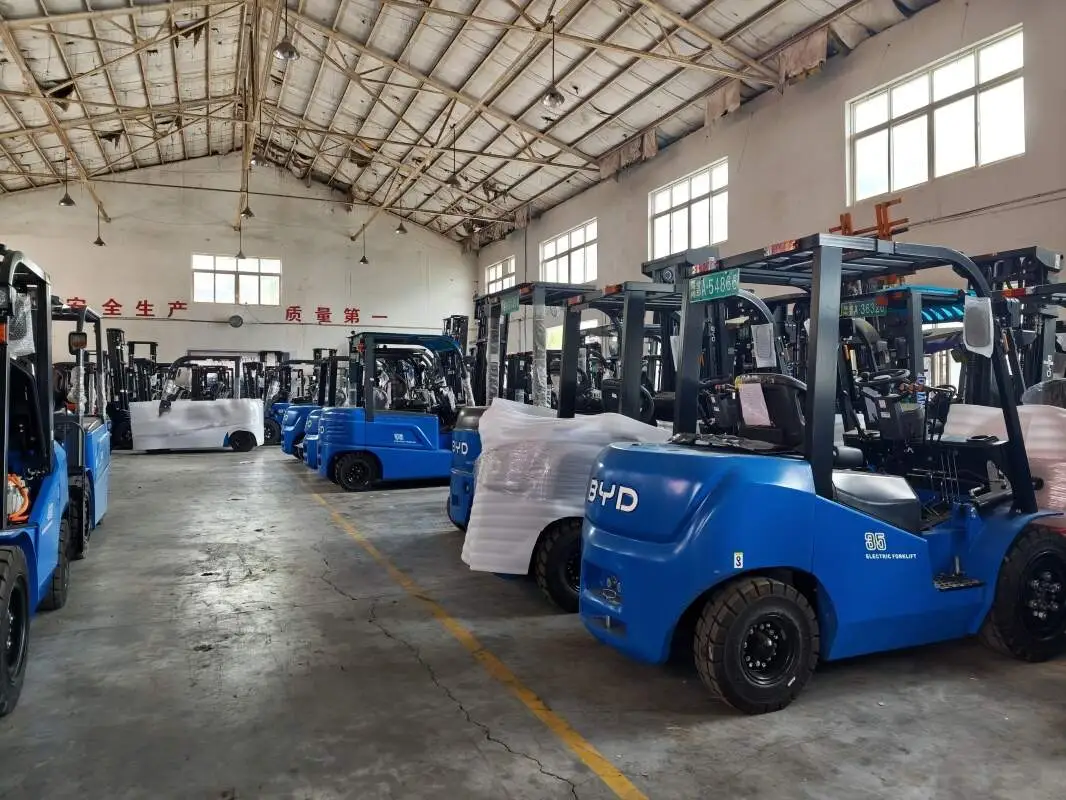
Class 7 forklift trucks represent a category of heavy-duty industrial lift trucks designed specifically for demanding outdoor operations. Unlike lighter indoor classes, these vehicles are built to withstand rough terrain, heavy loads, and harsh environmental conditions, making them a staple in large-scale industrial settings.
One of the defining features of Class 7 forklifts is their use of solid rubber tires, which provide exceptional durability and traction on uneven surfaces like gravel, dirt, or paved outdoor yards. These tires resist punctures and wear far better than pneumatic alternatives, ensuring reliable performance in high-use areas. Powered by robust diesel engines or liquefied petroleum gas (LPG) systems, Class 7 models deliver the torque needed to lift heavy loads—typically ranging from 10,000 to over 100,000 pounds—depending on the specific configuration.
Their strength and ruggedness make Class 7 forklifts ideal for a range of outdoor applications. In port facilities, they handle container loading and unloading, moving large cargo units between ships and storage yards. Mining operations rely on them to transport heavy materials and equipment across rough, unpaved sites. Large construction sites and lumber yards also utilize these forklifts to move bulky materials like steel beams, concrete blocks, or timber logs efficiently.
At the heart of every Class 7 forklift is a heavy-duty lifting system, including reinforced mast sections and hydraulic cylinders that enable smooth vertical movement of loads even at maximum capacity. The chassis is constructed with thick, high-strength steel to absorb the shocks of rough terrain and support heavy load weights. The power unit, whether diesel or LPG, is enclosed in a protective housing to shield it from dust, debris, and inclement weather, ensuring long-term reliability.
Operating a Class 7 forklift requires specialized training due to its size and weight. Operators must understand how to navigate uneven terrain safely, manage load balance to prevent tipping, and perform routine pre-operation checks to identify potential issues. Regular maintenance is also critical—tasks like tire inspections, hydraulic fluid checks, and engine tune-ups help keep these machines running efficiently and minimize downtime. Additionally, safety protocols such as wearing appropriate personal protective equipment (PPE) and adhering to speed limits in work zones are essential to prevent accidents.
In summary, Class 7 forklift trucks are indispensable tools for heavy-duty outdoor industrial tasks. Their robust design, high load capacity, and adaptability to harsh environments make them a key asset for businesses that need to move large, heavy materials efficiently and safely.