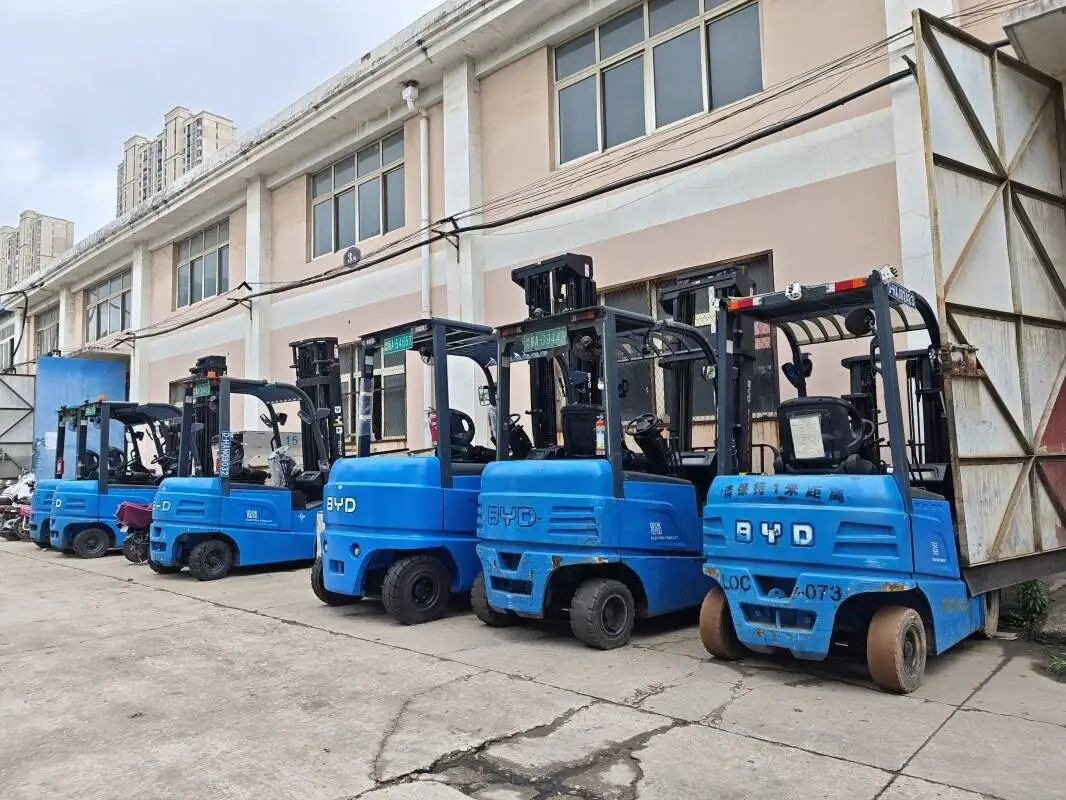
forklift tires are critical components that directly impact the operational efficiency, safety, and lifespan of forklifts across various industrial settings. Choosing the right tire type requires a clear understanding of their classifications and specific application scenarios.
Solid rubber forklift tires are crafted from dense, vulcanized rubber, boasting exceptional resistance to punctures, cuts, and abrasions. Their robust structure delivers outstanding load-bearing capacity and stability, making them a go-to choice for heavy-duty operations in harsh environments. Construction sites, scrap yards, and manufacturing plants with rough terrain or frequent exposure to sharp debris benefit most from these tires, as they minimize downtime caused by unexpected tire failures. While they offer reliable performance, their rigid nature may result in a slightly rougher ride compared to other tire types.
Pneumatic forklift tires, filled with compressed air, mimic the design of vehicle tires to provide superior shock absorption and a smoother ride. This makes them ideal for forklifts operating on uneven outdoor surfaces like gravel roads, unpaved yards, or construction sites with bumpy terrain. They also enhance traction on wet or slippery ground, boosting safety during outdoor loading and unloading tasks. However, their air-filled structure makes them more vulnerable to punctures, so they are less suitable for environments with sharp materials. Some reinforced variants add extra durability for moderate industrial use cases.
Non-marking forklift tires are engineered with specialized rubber compounds that leave no unsightly black marks on floors. This feature makes them indispensable for indoor environments where floor cleanliness is a top priority, such as food processing facilities, pharmaceutical warehouses, and retail distribution centers. They maintain strong traction on smooth indoor surfaces while preserving the integrity of polished or epoxy floors. These tires strike a balance between durability and floor protection, making them a popular option for operations that demand both performance and a clean working space.
Selecting the optimal forklift tire hinges on evaluating key factors like operating environment, load capacity needs, and floor conditions. By grasping the unique traits and applications of each tire category, businesses can enhance forklift performance, cut down on maintenance costs, and ensure a safe workplace for operators. Regular inspection and routine maintenance, regardless of tire type, are also essential to extend service life and prevent unexpected breakdowns that could disrupt daily operations.