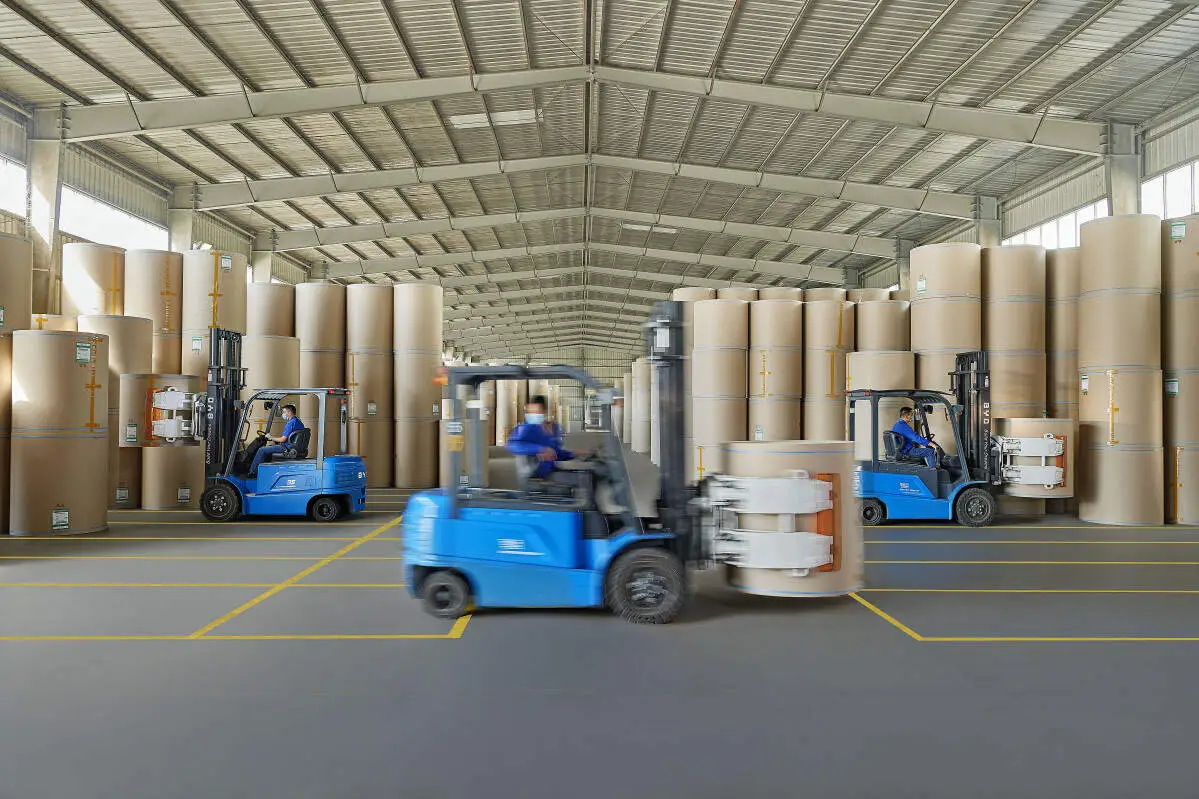
In the realm of industrial material handling, hi-lo forklifts stand as essential tools designed to streamline the movement of goods across different vertical heights. These specialized forklifts are engineered to lift and lower loads with precision, making them indispensable for operations that require access to elevated storage areas or ground-level loading.
At their core, hi-lo industrial handling forklifts serve two primary functions: lifting heavy or bulky items to upper storage racks and lowering goods to ground level for loading, unloading, or transportation. This dual capability eliminates the need for manual lifting, reducing physical strain on workers and minimizing the risk of product damage. Unlike standard forklifts, hi-lo models are optimized for vertical flexibility, allowing operators to adjust load heights quickly to match specific storage or processing requirements.
Key components contribute to the performance and safety of hi-lo forklifts. The lifting mechanism, typically powered by hydraulic systems, is the heart of the equipment, controlling the smooth elevation and descent of the load. Hydraulic systems ensure stable movement even under heavy loads, preventing sudden drops that could cause accidents. The forks, available in various lengths and widths, are designed to accommodate different load sizes, from small crates to large pallets. Operator cabins are built with ergonomic features, including adjustable seats, intuitive control panels, and clear visibility, to enhance comfort and reduce operator fatigue during long shifts. Power sources vary, with electric models ideal for indoor environments due to zero emissions, and internal combustion engines suitable for outdoor or heavy-duty applications.
Proper operation of hi-lo forklifts requires adherence to basic safety guidelines. Operators must complete formal training to understand load capacity limits, as overloading can lead to instability and tip-overs. Before each use, a pre-operation inspection should be conducted to check hydraulic fluid levels, brake functionality, and fork condition. During operation, operators should maintain a clear line of sight, avoid sudden turns or stops, and keep a safe distance from pedestrians and other equipment. When lifting loads, it is critical to ensure the load is balanced on the forks and positioned securely to prevent shifting.
Hi-lo industrial handling forklifts find applications across a wide range of industries. In warehouses, they are used to retrieve and store goods in high-rise storage racks, maximizing vertical space utilization. Manufacturing facilities rely on these forklifts to move raw materials and finished products between production lines and storage areas. Logistics and distribution centers use them to load and unload trucks at loading bays, ensuring efficient transfer of goods between transportation modes. Even retail distribution hubs benefit from hi-lo forklifts, as they enable quick restocking of inventory from back storage to sales floors.
By combining vertical lifting capabilities with reliable performance, hi-lo industrial handling forklifts play a vital role in enhancing operational efficiency and safety in industrial material handling. Their versatility makes them a staple in any operation that requires precise, vertical movement of goods, helping businesses meet productivity goals while maintaining a safe work environment.