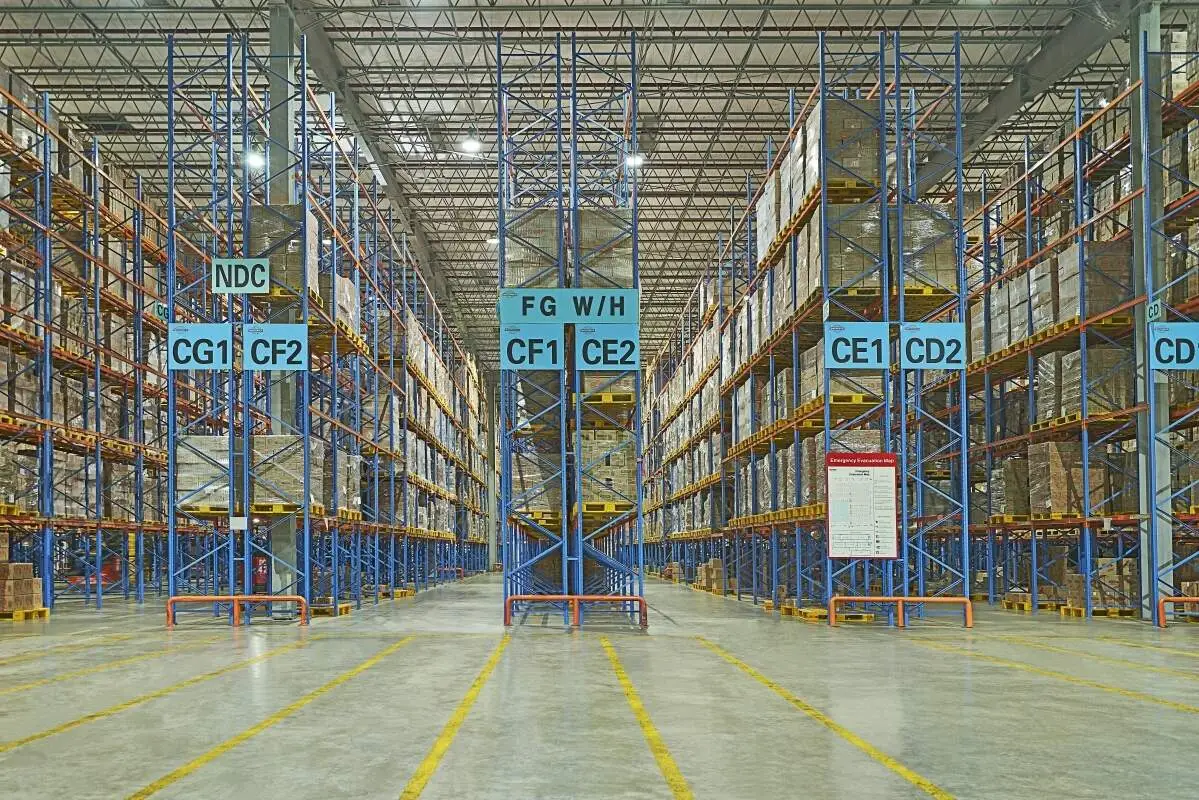
In today’s fast-paced warehouse logistics environment, efficient material handling is a cornerstone of smooth daily operations. As warehouses strive to meet growing demand for quick order fulfillment and optimal space utilization, light-duty electric pallet forklifts have emerged as a reliable solution for moving small to medium loads across short distances. These compact, maneuverable machines offer a range of benefits that align with the evolving needs of modern warehouse management.
Unlike traditional fuel-powered counterparts, light-duty electric pallet forklifts produce zero tailpipe emissions, making them ideal for indoor warehouse settings where air quality is a priority. They also operate with significantly less noise, creating a more comfortable work environment for warehouse staff. From a cost perspective, electric models have lower long-term operational expenses, as they require less maintenance than gas or diesel-powered units and rely on rechargeable batteries that can be charged during off-peak hours to reduce energy costs.
One of the key advantages of light-duty electric pallet forklifts is their ease of operation. Designed with user-friendly controls, they require minimal training for staff to master, reducing onboarding time and increasing productivity. Their compact size allows them to navigate narrow aisles and tight spaces that larger forklifts cannot access, making them perfect for warehouses with limited layout flexibility. Whether restocking shelves, moving pallets to loading docks, or organizing inventory in storage areas, these forklifts can handle a variety of tasks without compromising on maneuverability.
These versatile machines are well-suited for a range of warehouse scenarios. In e-commerce fulfillment centers, where quick movement of small batches is common, light-duty electric pallet forklifts enable staff to pick and pack orders efficiently. They are also useful in cold storage warehouses, as electric components perform reliably in low-temperature environments without the fuel-related issues that affect traditional forklifts. Additionally, their ergonomic design reduces physical strain on workers, lowering the risk of workplace injuries associated with manual pallet moving.
To ensure consistent performance, regular maintenance of light-duty electric pallet forklifts is essential. This includes routine checks of battery health, tire condition, and hydraulic systems. Proper charging practices, such as avoiding overcharging and using compatible chargers, can extend the lifespan of the battery. Warehouse managers should also establish scheduled maintenance protocols to address minor issues before they escalate into costly repairs, keeping the forklifts operational when needed most.
In conclusion, light-duty electric pallet forklifts play a vital role in enhancing warehouse logistics efficiency. Their combination of environmental friendliness, maneuverability, ease of use, and cost-effectiveness makes them a valuable asset for any warehouse looking to optimize material handling operations. By integrating these machines into daily workflows, warehouses can improve productivity, reduce operational costs, and create a safer, more sustainable work environment for their teams.