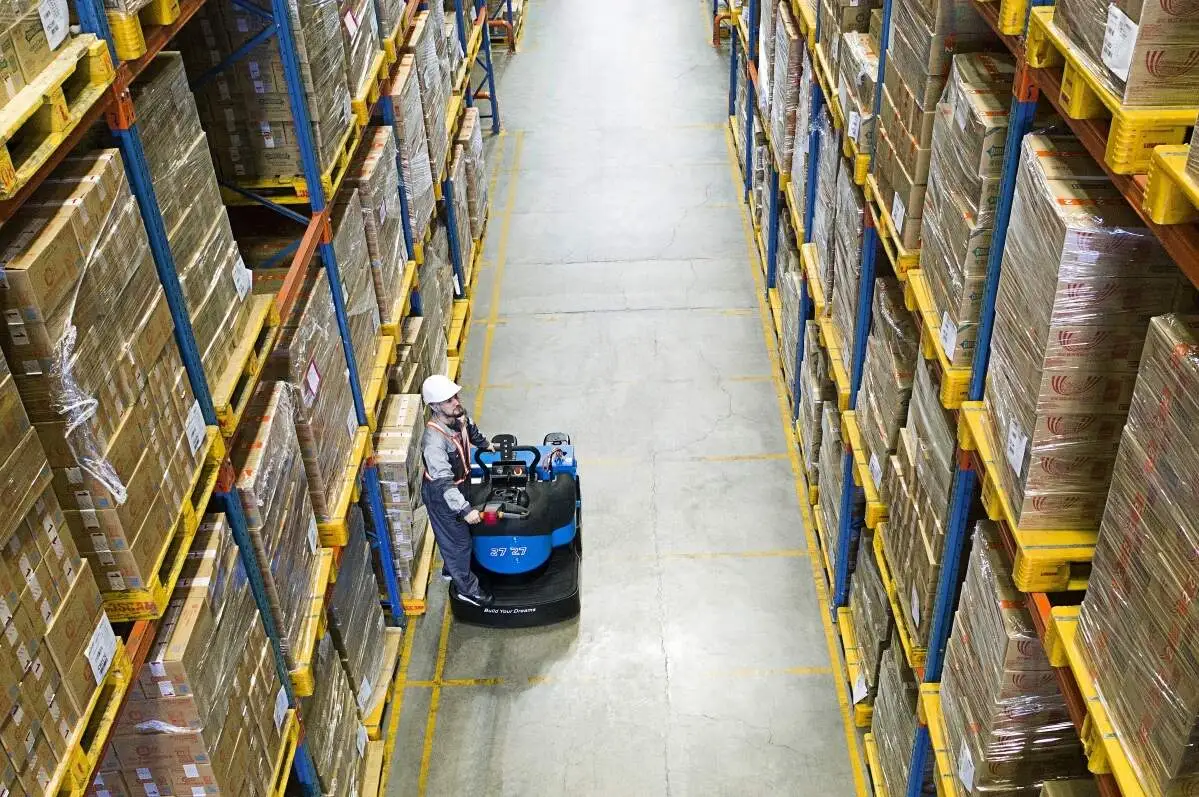
forklift operation is a specialized task that demands precision, attention to detail, and adherence to strict safety protocols. While group training programs serve as a foundational option, they often fail to address the unique learning needs, skill gaps, and confidence levels of individual operators. One-on-one individual forklift operation coaching emerges as a targeted solution, offering a range of tangible benefits that elevate both operator performance and workplace safety.
First and foremost, one-on-one coaching enhances safety compliance. Every operator has distinct areas where they may struggle—whether it’s judging blind spots, balancing heavy loads, or navigating narrow warehouse aisles. In a one-on-one setting, the coach can focus exclusively on these weak points, providing real-time feedback and hands-on guidance to correct improper techniques. This personalized attention ensures that operators fully understand and adhere to industry safety standards, reducing the risk of violations that could lead to accidents or regulatory penalties.
Another critical benefit is personalized skill development. Not all operators start with the same level of experience: some may be new to forklifts, while others may need to refine advanced skills like handling oversized loads or operating in outdoor terrain. A one-on-one coach can tailor the training plan to match each operator’s current skill set, learning pace, and job-specific requirements. For new operators, this means building a solid foundation in basic controls and load management. For experienced operators, it involves honing specialized techniques to handle complex tasks more effectively, ensuring their skills stay sharp and relevant.
One-on-one coaching also drives improved operational efficiency. When operators receive targeted instruction, they learn to perform tasks more smoothly and accurately. Correct techniques minimize unnecessary movements, reduce wear and tear on equipment, and lower the risk of damaging goods. Coaches can also share practical tips, such as optimal route planning and efficient load stacking, which directly translate to time savings in daily operations. Over time, these improvements contribute to a more productive worksite, as operators complete tasks with greater speed and precision without compromising safety.
Additionally, this form of coaching boosts operator confidence. Group settings can be intimidating for new operators or those who struggle with certain skills, as they may hesitate to ask questions or practice in front of peers. In a one-on-one environment, operators feel more comfortable making mistakes and seeking clarification. The coach’s consistent, constructive feedback helps build their self-assurance, enabling them to approach tasks with greater calm and focus. Confident operators are less likely to make errors due to stress or uncertainty, further enhancing overall workplace safety.
Finally, one-on-one coaching helps reduce accident risks. By addressing bad habits and correcting unsafe behaviors early on, coaches prevent these issues from becoming ingrained. They can simulate real-world scenarios, such as emergency stops or avoiding obstacles, allowing operators to practice responsive actions in a controlled setting. This preparation ensures that operators are better equipped to handle unexpected situations, minimizing the likelihood of collisions, tip-overs, or other serious incidents.
In conclusion, one-on-one individual forklift operation coaching offers a targeted, effective approach to operator training. By prioritizing personalized attention, skill development, and safety compliance, this method delivers long-term value for both operators and employers, creating a safer, more efficient workplace environment.