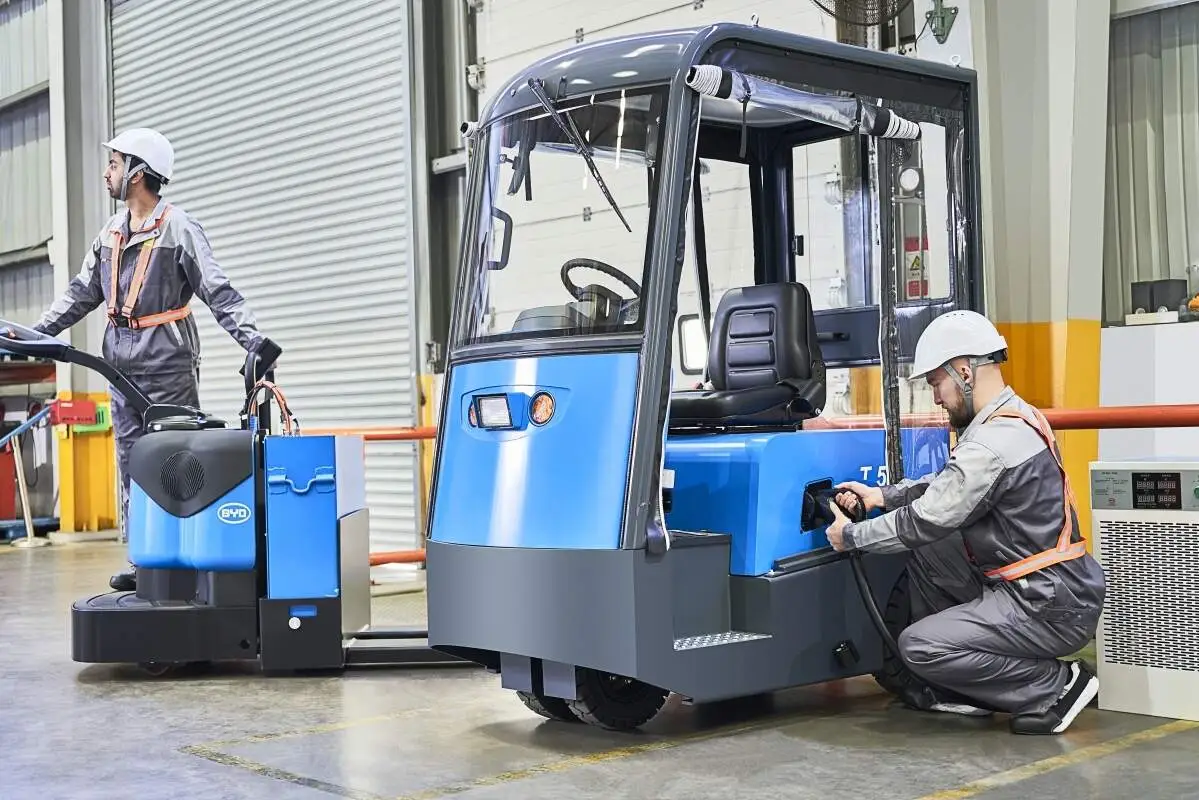
Children’s toy forklifts are a beloved playtime staple, offering kids a chance to mimic real-world industrial operations while fostering creativity and fine motor skills. Over time, however, regular use can lead to wear and tear on various components, making replacement spare parts necessary to keep the toy functional and enjoyable. Understanding the most common replacement parts, how to choose the right ones, and basic maintenance tips can help ensure your child’s toy forklift stays in good working condition for longer.
When it comes to replacement parts for children’s toy forklift models, several components are prone to damage or wear. Wheels are among the most frequently replaced parts, as constant rolling on different surfaces can cause them to crack, lose traction, or detach from the chassis. Batteries, especially in electric toy forklifts, will eventually lose their ability to hold a charge after repeated cycles, requiring a replacement to restore power. Gears and transmission components are another critical area; these parts facilitate the forklift’s movement and lifting functions, and excessive force or frequent use can lead to stripped teeth or breakage. Fork attachments, designed to lift small objects during play, may bend or crack if subjected to rough handling or overloading. Additionally, control levers and buttons, which kids use to operate the forklift’s functions, can become loose or broken with repeated manipulation.
Choosing the right replacement spare parts requires careful consideration to ensure compatibility and safety. First, always verify the specific model of your child’s toy forklift, as parts can vary significantly between different sizes and designs. Many toy manufacturers provide model information on the product packaging or instruction manual, which can help you identify matching parts. Prioritize parts made from safe, non-toxic materials that meet international children’s toy safety standards; this ensures that the replacement components do not pose any health risks to your child. If you’re unsure about compatibility, measure the dimensions of the original part (such as wheel diameter or battery size) to compare with potential replacements. It’s also advisable to opt for parts that are durable and designed to withstand the rigors of child’s play, as this will reduce the need for frequent replacements.
Once you’ve installed replacement parts, proper maintenance can help prolong the lifespan of your child’s toy forklift. Regularly inspect the forklift for signs of wear, such as loose screws, cracked components, or reduced battery performance, and address issues promptly to prevent further damage. Clean the toy regularly to remove dirt and debris that can accumulate in gears or moving parts, which can cause friction and premature wear. Store the toy forklift in a dry, cool place when not in use, avoiding exposure to extreme temperatures or moisture that can damage electronic components or degrade materials. Encourage your child to use the toy as intended, avoiding overloading the forks or applying excessive force to control levers, which can reduce the risk of component damage.
In conclusion, replacement spare parts play a vital role in extending the life of children’s toy forklift models, allowing kids to continue enjoying their favorite playtime activity. By familiarizing yourself with common replacement components, selecting safe and compatible parts, and practicing regular maintenance, you can ensure that your child’s toy forklift remains functional, safe, and fun for years to come.