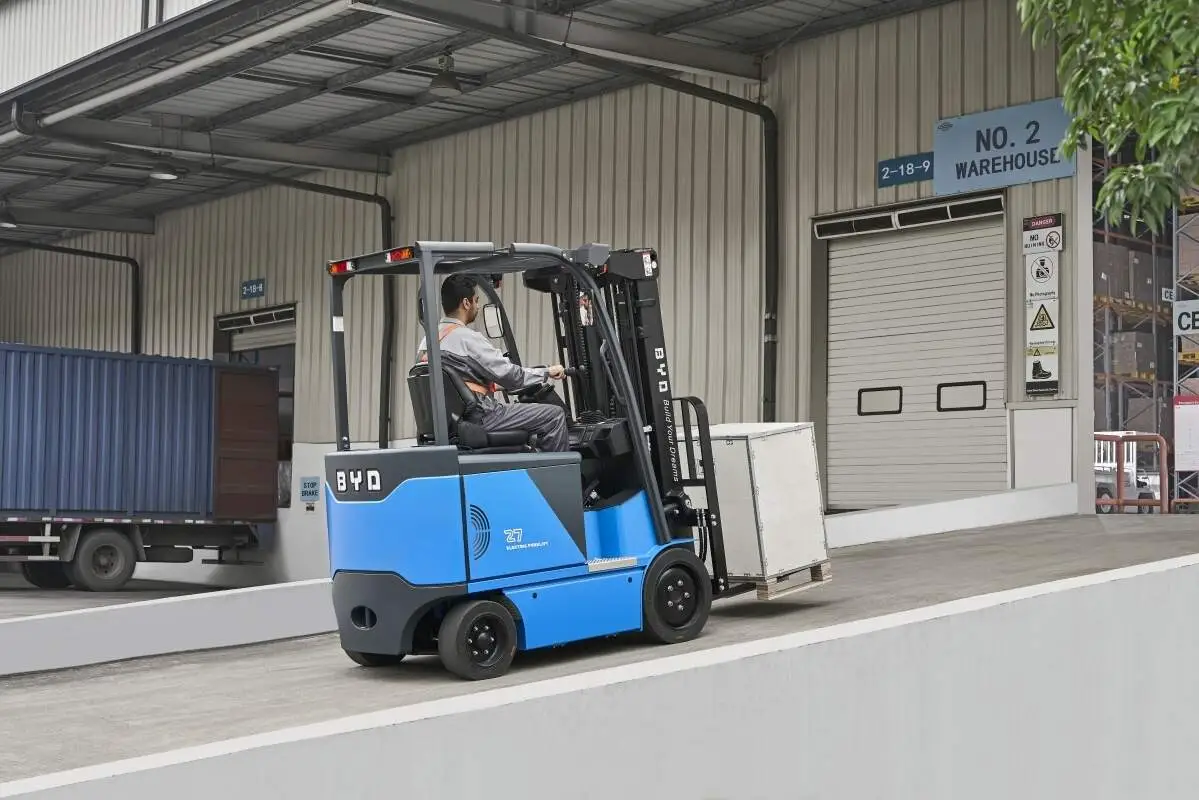
Forklifts are indispensable tools in warehouses, manufacturing facilities, and construction sites, where they handle heavy loads and navigate narrow spaces daily. However, their large size and limited rear visibility create inherent risks, especially during reverse maneuvers. Installing reverse warning horns on these vehicles addresses many of these challenges, offering a range of practical benefits for both operators and workplace management.
First and foremost, reverse warning horns significantly enhance workplace safety. forklift operators often struggle to see pedestrians, small equipment, or obstacles behind them, particularly in busy areas with stacked pallets or low-light conditions. A loud, distinct warning horn alerts nearby personnel to the forklift’s movement, giving them time to move to a safe distance. This simple accessory acts as an extra layer of protection, reducing the risk of collisions that could result in injuries or even fatalities. In high-traffic work zones, the consistent sound of a reverse warning horn creates a predictable auditory cue, helping everyone stay aware of their surroundings.
Beyond safety, installing reverse warning horns helps businesses meet regulatory compliance requirements. Many local and national occupational safety agencies mandate the use of audible warning devices on industrial vehicles that operate in areas with pedestrian traffic. Failure to comply with these regulations can lead to fines, audits, and legal liabilities. By equipping forklifts with reverse warning horns, companies demonstrate their commitment to following safety standards, ensuring a compliant work environment and avoiding potential penalties.
Another key benefit is the reduction of equipment and property damage. When a forklift reverses without proper warning, it may collide with storage racks, loading docks, or other vehicles. These incidents can lead to costly repairs, downtime, and disrupted operations. A reverse warning horn gives operators more time to react to unexpected obstacles, and it also signals to other equipment operators to adjust their paths. Over time, this can lead to significant savings on maintenance and replacement costs, as well as minimized workflow interruptions.
Finally, reverse warning horns contribute to improved operational efficiency. In fast-paced work environments, every minute counts. Without a warning device, operators may need to stop repeatedly to check their rear view or rely on spotters, slowing down tasks. A reverse warning horn allows operators to reverse more confidently, reducing the need for frequent stops and enabling smoother, faster movement of goods. This increased efficiency translates to higher productivity, as forklifts can complete more tasks in less time without compromising safety.
In conclusion, reverse warning horns are a cost-effective investment that delivers multiple advantages for any workplace using forklifts. From protecting employees and ensuring compliance to reducing damage and boosting efficiency, these small accessories play a vital role in creating a safer, more productive industrial environment. For businesses looking to enhance their forklift safety protocols, installing reverse warning horns is a straightforward impactful step.