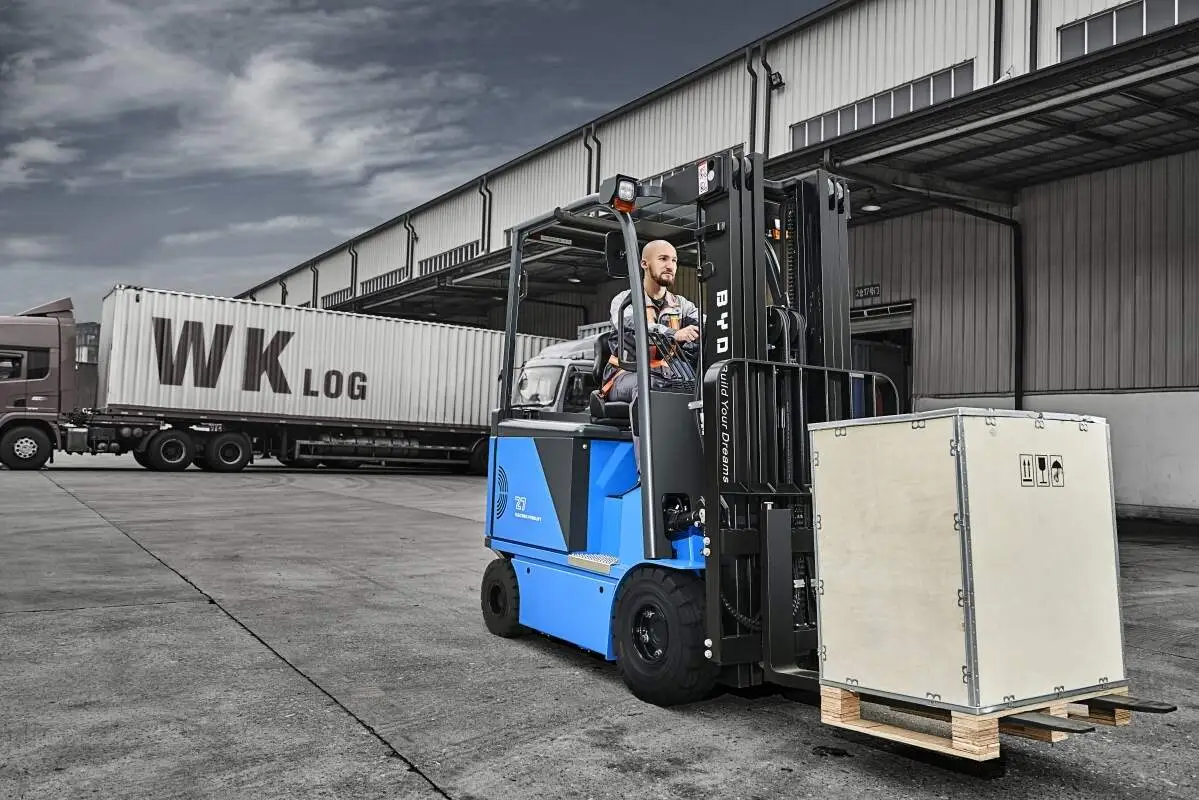
The Australian industrial and logistics sectors have long relied on efficient material handling equipment, with forklifts playing a pivotal role in streamlining warehouse operations, port logistics, and construction site workflows. In recent years, the market has seen a steady influx of global forklift manufacturers establishing a footprint, drawn by the country’s robust industrial growth and demand for reliable, high-performance equipment.
Global manufacturers operating in Australia typically adapt their product lines to align with local regulatory standards, environmental requirements, and industry-specific needs. For instance, many have introduced models optimized for the country’s diverse terrain, from compact urban warehouses to rugged regional mining and agricultural sites. These adaptations include enhanced chassis durability to withstand harsh outdoor conditions, fuel-efficient engines to meet strict emissions targets, and ergonomic operator cabins designed to support comfort and safety during extended shifts.
Market entry strategies vary among global players. Some have built localized distribution networks, partnering with Australian-based dealers to ensure timely after-sales support, routine maintenance services, and easy access to replacement parts. Others have established regional assembly facilities to reduce shipping costs and shorten delivery lead times, enabling them to respond more quickly to market fluctuations and urgent customer demands. This localized approach helps manufacturers build trust with Australian businesses, which prioritize reliability and accessibility when selecting material handling solutions.
Key trends influencing the presence of global forklift manufacturers in Australia include the accelerating shift towards electric-powered equipment. As the country focuses on reducing carbon emissions and transitioning to sustainable industrial practices, manufacturers are expanding their electric forklift offerings, including battery-powered and hydrogen fuel cell models. These alternatives to traditional internal combustion engine forklifts are gaining traction in indoor warehouse settings and urban logistics hubs, where noise and air quality regulations are stricter.
Additionally, technological advancements such as automated guided vehicles (AGVs) and telematics systems are being integrated into forklift lines by global manufacturers operating in Australia. These features enhance operational efficiency by enabling real-time tracking of equipment performance, predictive maintenance alerts, and improved inventory management. Australian businesses, particularly those in large-scale logistics and e-commerce, are increasingly adopting these smart solutions to stay competitive in a fast-paced market.
The competitive landscape among global forklift manufacturers in Australia is characterized by a focus on customer-centric solutions. Manufacturers often provide customized operator training programs, as well as flexible leasing and financing options to cater to businesses of all sizes, from small-scale warehouses to large industrial enterprises. This emphasis on service and adaptability has helped global players carve out a significant share of the Australian market, complementing the local manufacturing sector.
Looking ahead, the presence of global forklift manufacturers in Australia is expected to grow as the demand for advanced, sustainable material handling equipment continues to rise. With ongoing investments in local infrastructure and a national commitment to environmental sustainability, the market will remain an attractive destination for global players seeking to expand their international reach while meeting the evolving needs of Australian industries.