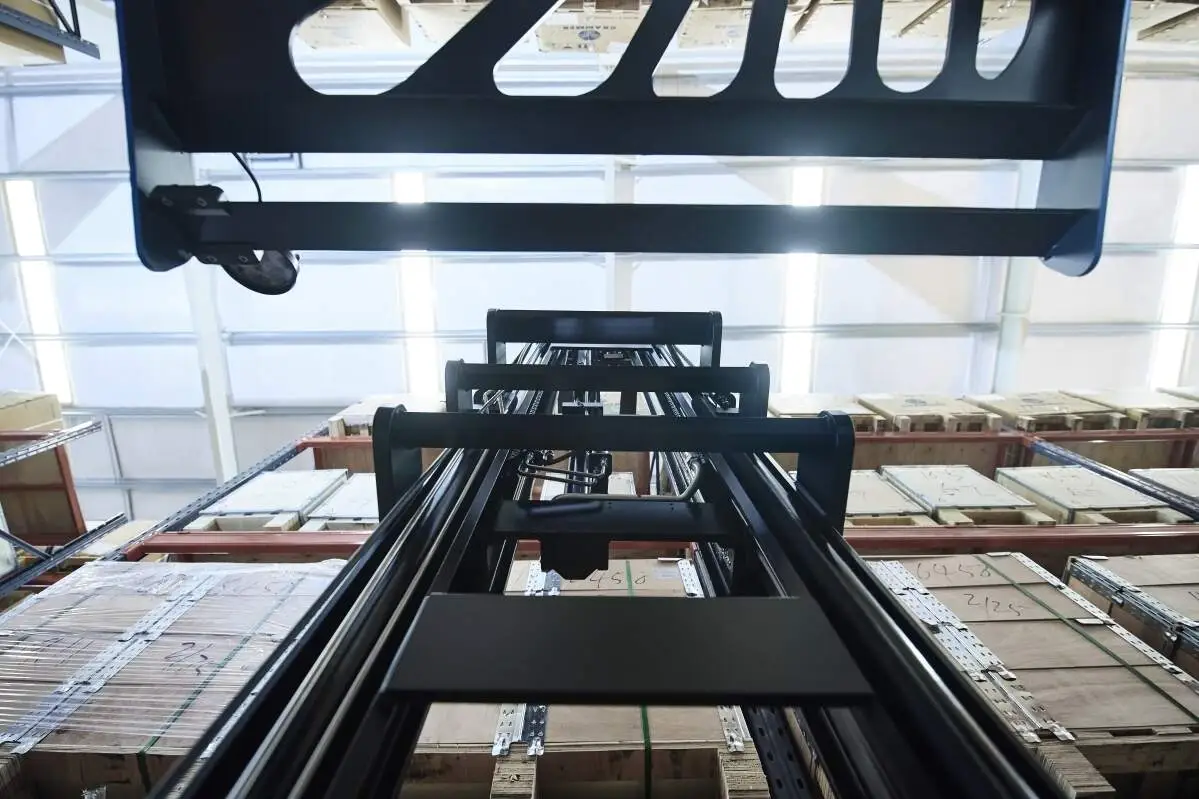
In the realm of industrial material handling, forklifts stand as indispensable tools, yet their classification as either heavy machinery or lifting equipment remains a point of discussion among industry professionals and regulatory bodies. This ambiguity stems from their dual functional nature, which blends traits of both equipment categories.
To understand why forklifts are often categorized as heavy machinery, it’s essential to focus on their structural and operational characteristics. Heavy machinery typically refers to large, power-driven equipment designed for heavy-duty tasks that involve moving, digging, or altering materials. Forklifts fit this description when deployed in settings like construction sites, port yards, or mining operations, where they handle extremely heavy loads (often exceeding 10 tons) and operate in rugged environments. Regulatory frameworks in many regions classify such heavy-duty forklifts under heavy machinery due to their size, power output, and the potential risks they pose to operators and surrounding personnel. These standards require specialized training, maintenance protocols, and safety measures aligned with those for other heavy machinery like excavators or bulldozers.
On the other hand, forklifts are frequently considered lifting equipment, especially in warehouse and logistics contexts. The core function of a forklift—lifting and moving palletized goods to elevated storage positions—aligns closely with the definition of lifting equipment, which focuses on tools designed to hoist, lower, or move loads vertically. Light to medium-duty electric forklifts, commonly used in indoor warehouses, prioritize precision lifting over brute strength. Regulatory bodies in these scenarios often group forklifts with other lifting equipment such as cranes or hoists, emphasizing safety requirements related to load capacity limits, stability during lifting, and operator certification for vertical handling tasks.
The classification can also vary by industry and regional regulations. For example, in the construction sector, where forklifts are used alongside other heavy equipment for site preparation and material transport, they are more likely labeled as heavy machinery. In contrast, the logistics industry tends to view them as lifting equipment, as their primary role is to manage inventory through vertical lifting and stacking. Additionally, some regulatory agencies recognize a hybrid category, acknowledging that forklifts incorporate elements of both heavy machinery and lifting equipment, requiring compliance with standards from both classifications.
Ultimately, the classification of forklifts hinges on their intended use, load capacity, and the regulatory context in which they operate. Recognizing this dual identity is crucial for businesses to ensure they adhere to the correct safety protocols, training requirements, and maintenance schedules. Whether categorized as heavy machinery or lifting equipment, forklifts remain vital assets that streamline industrial operations, highlighting the importance of understanding their classification to maximize efficiency and safety.