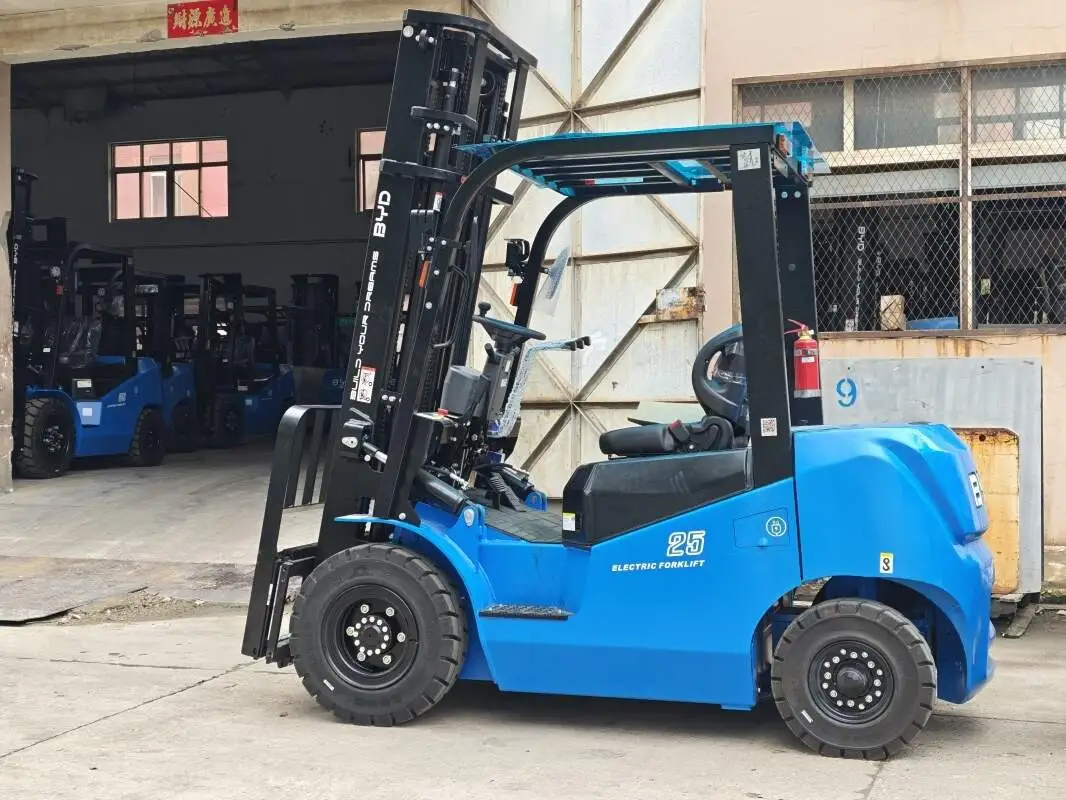
Multi-shift warehouse environments operate around the clock, demanding reliable equipment that can keep pace with continuous loading, unloading, and inventory management tasks. Traditional forklift power sources often struggle to meet these demands, leading to unplanned downtime and reduced overall productivity. Lithium-ion forklifts have emerged as a tailored solution, offering a range of benefits aligned with the unique needs of 24/7 warehouse operations.
Fast charging and extended runtime stand as primary advantages for multi-shift settings. Unlike lead-acid batteries that require lengthy charging periods and scheduled battery swaps, lithium-ion batteries can be fully charged in 1 to 2 hours, or topped up during short shift breaks. This eliminates the need for dedicated battery storage and swapping stations, ensuring forklifts remain operational through consecutive shifts without disruptive downtime. Additionally, lithium-ion batteries maintain consistent power output throughout their charge cycle, avoiding the gradual performance dip that can hinder task efficiency during extended operation.
Reduced maintenance requirements further contribute to operational efficiency. Lead-acid batteries demand regular upkeep, including water topping, terminal cleaning, and equalization charging to preserve performance and lifespan. Lithium-ion forklifts eliminate these time-consuming tasks, as their sealed batteries require no routine maintenance beyond occasional exterior cleaning. This cuts labor costs associated with battery care and allows maintenance teams to focus on other critical warehouse equipment, streamlining overall facility operations.
Energy efficiency and long-term cost savings are key benefits for multi-shift warehouses. Lithium-ion batteries boast higher energy density than lead-acid alternatives, storing more energy in a compact, lightweight package. This translates to lower energy consumption per hour of operation, reducing ongoing utility expenses. Over the lifespan of the equipment, the combination of reduced maintenance, lower energy use, and longer battery durability typically results in significant cost savings compared to traditional forklift power sources.
Enhanced safety and environmental friendliness also make lithium-ion forklifts a strong choice for indoor multi-shift environments. These batteries produce no harmful fumes, eliminating the need for specialized ventilation systems and creating a safer workplace for staff. They also carry a lower risk of acid leaks, reducing potential damage to inventory and minimizing workplace accident risks. Additionally, lithium-ion batteries are more easily recyclable than lead-acid options, supporting warehouses’ sustainability goals and reducing their long-term environmental footprint.
For multi-shift warehouses aiming to optimize productivity, cut costs, and improve workplace safety, lithium-ion forklifts offer a compelling investment. Their ability to support continuous operation with minimal downtime, reduced maintenance, and efficient energy use addresses the core challenges of round-the-clock logistics, helping businesses maintain competitiveness in a fast-paced industry.