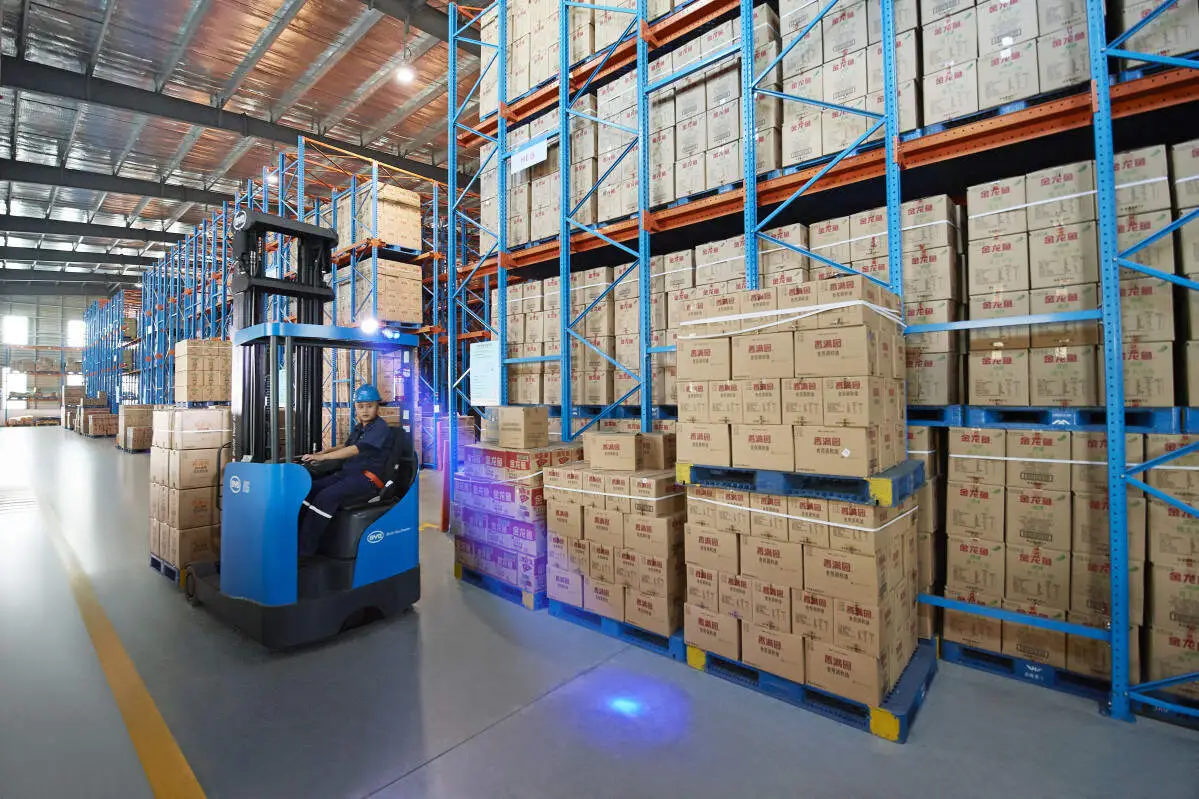
Warehouses rely heavily on forklifts to move heavy loads efficiently, but these powerful machines pose significant risks if not operated safely. For warehouse teams, adhering to critical safety rules is non-negotiable to protect personnel, prevent property damage, and maintain smooth daily operations.
Pre-operation inspections are the first line of defense against forklift-related incidents. Before starting any shift, operators must conduct a thorough check of the forklift’s key components. This includes testing brake responsiveness to ensure reliable stopping, inspecting tires for wear or damage that could compromise stability, verifying functional lights and horns for clear communication in busy areas, and checking hydraulic systems for leaks or pressure issues. Any identified problems should be reported immediately, and the forklift taken out of service until repairs are completed. Skipping these inspections increases the risk of sudden malfunctions leading to collisions or falls.
Safe load handling is another fundamental rule all team members must follow. Operators must never exceed the forklift’s rated load capacity, as overloading can cause tipping, especially during turns or height adjustments. Loads should be centered on forks to maintain balance, and secured with straps or bindings if needed to prevent shifting during transport. When visibility is obstructed by large loads, operators should use a spotter to guide them through the warehouse, avoiding obstacles and other personnel. Additionally, loads should only be lifted to the minimum height required for transport to reduce instability risks.
Navigating the warehouse safely requires strict adherence to traffic rules and environmental awareness. Forklifts should operate at reduced speeds in busy zones, near pedestrian walkways, and around corners with limited visibility. Operators must always yield to pedestrians, who have right of way in designated areas. At intersections and blind spots, operators should sound the horn and slow down to check for oncoming traffic or personnel. Maintaining a safe distance from shelves, racks, and equipment prevents collisions that could damage inventory or harm warehouse structures.
Ongoing training and certification are critical to ensuring consistent safety compliance. New operators must complete comprehensive programs covering theoretical knowledge and practical operation skills. Even experienced operators need regular refreshers to update safety protocols and correct bad habits. Training should include scenario-based exercises, such as handling uneven loads or navigating narrow aisles, to prepare for real-world challenges. All operators must hold valid certification, and teams should maintain training records to meet safety standards.
Finally, emergency preparedness is a key component of forklift safety. All team members should know the location and operation of emergency stop buttons, plus procedures for responding to fuel leaks, fires, or collisions. In case of an accident, operators must immediately stop the forklift, assess injuries, and report the incident to supervisors. Teams should also receive basic first aid training to provide initial care until medical help arrives. Regular emergency drills ensure quick and effective responses to any safety situation.
By implementing these critical rules, warehouse teams can foster a safer working environment, reduce accident risks, and enhance overall operational efficiency.