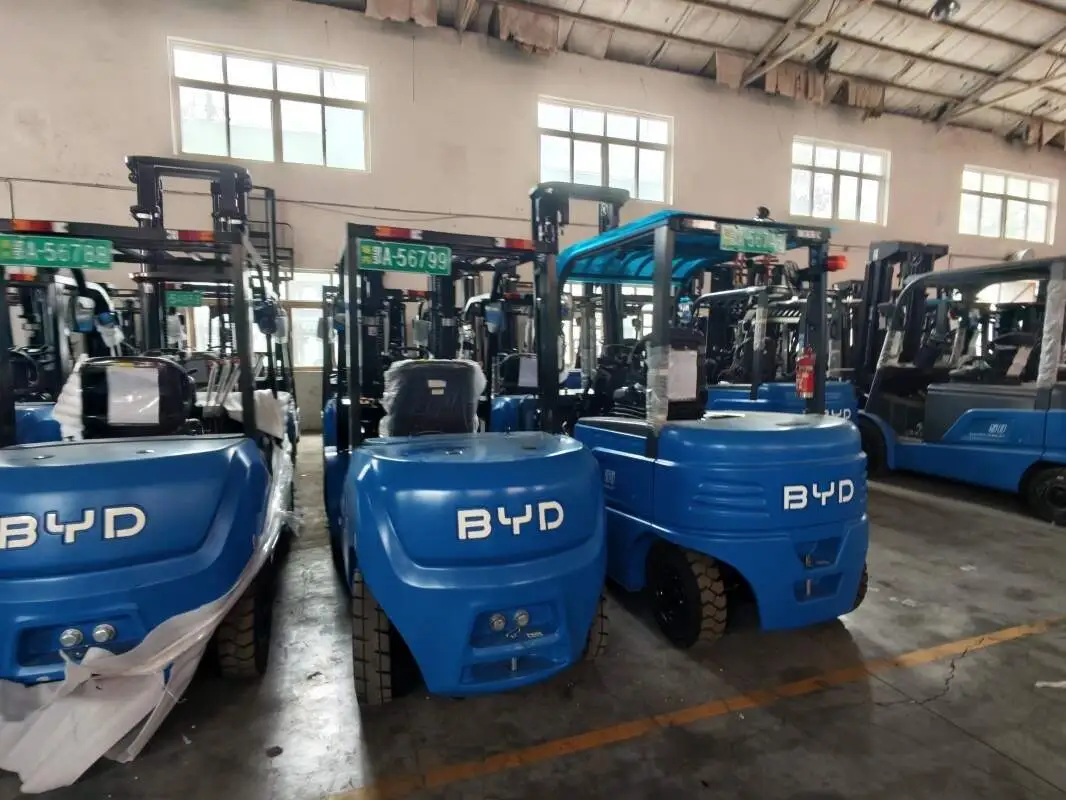
Material handling efficiency hinges on choosing the right electric forklift tailored to specific operational tasks. A mismatched forklift can lead to reduced productivity, increased maintenance costs, and avoidable safety risks. This guide outlines practical, systematic steps to align forklift capabilities with your unique material-handling needs.
Start by assessing core task requirements to lay a clear foundation. Analyze the type of loads you’ll move—from standard pallets to bulky machinery or fragile goods—and note their average weight, dimensions, and stacking frequency. For example, frequent transport of heavy, oversized loads demands a forklift with higher load capacity, while handling small, lightweight items may prioritize tight-turn maneuverability. Also, evaluate travel distances between storage and loading zones, as well as the maximum height needed for stacking goods on racks. These details narrow down your initial selection criteria.
Next, evaluate key forklift capabilities that directly impact task performance. Load capacity is non-negotiable; opt for a model with a capacity slightly exceeding your average load weight to account for unexpected variations. Lift height must match the tallest storage areas in your facility to avoid operational limitations. Fork length should align with your standard pallet sizes—too short and pallets risk shifting, while overly long forks hinder navigation in narrow spaces. Additionally, consider the turning radius: compact models are ideal for warehouses with tight aisles, while larger radii work better in open loading yards.
Adapt your selection to the operational environment to ensure long-term reliability and safety. Indoor facilities with smooth concrete floors suit standard electric forklifts, while outdoor or uneven surfaces require models with robust, puncture-resistant tires and enhanced stability systems. If your space has limited ventilation, electric forklifts already offer low-emission benefits, but you may want to prioritize models with sealed components to prevent dust buildup. Cold storage environments demand forklifts designed to operate at low temperatures, with insulated batteries and hydraulic systems to maintain performance.
Finally, prioritize operational efficiency and maintenance to reduce long-term costs. Energy efficiency is critical—consider battery types and charging times; fast-charging models minimize downtime during peak operating hours. Look for forklifts with easily accessible components, as this simplifies routine maintenance and reduces repair turnaround times. Operator comfort should also factor in: ergonomic controls, adjustable seating, and clear visibility features reduce fatigue, boosting productivity during extended shifts.
By systematically evaluating task needs, core capabilities, environment, and efficiency factors, you can select an electric forklift that perfectly matches your material-handling tasks. This not only optimizes daily productivity but also ensures a safe, cost-effective operation that scales with your business’s evolving needs.