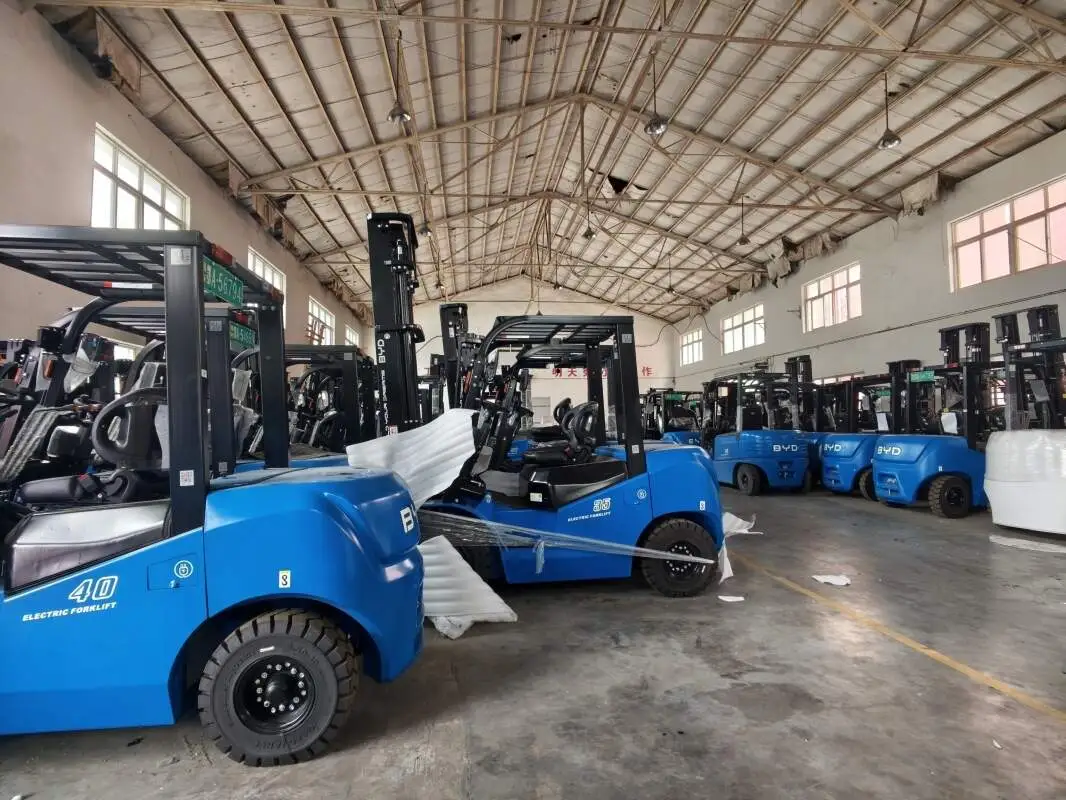
Operating electric forklifts in busy manufacturing sites demands strict adherence to safety protocols to protect workers, equipment, and inventory. Below are practical, actionable tips to ensure safe operation amid constant activity.
Before starting any shift, conduct a thorough pre-operation inspection of the electric forklift. Verify the battery charge level to avoid unexpected downtime, test the brakes for responsiveness, and check that all lights, horns, and warning signals are functional. Inspect the fork tines for cracks or damage, and ensure the mast operates smoothly. Address any issues immediately before operating the forklift, as even minor defects can lead to accidents in a fast-paced environment.
In busy manufacturing facilities, pedestrian traffic, machinery, and stacked materials create numerous hazards. Maintain a controlled speed at all times, adjusting based on visibility and crowding. Stay alert to blind spots, especially around large equipment or stacked pallets, and use mirrors effectively. Follow designated forklift paths and obey all traffic signs, including stop signs and yield markers. Never take shortcuts through pedestrian zones or restricted areas, as this increases collision risks.
Proper load handling is critical for forklift stability and safety. Always check the weight capacity of the forklift and ensure the load does not exceed this limit. Center the load evenly on the fork tines, and adjust the mast height to keep the load close to the ground when traveling. Avoid tilting the mast excessively unless necessary for stacking or unloading, and never travel with a raised load. If a load is unstable or awkwardly shaped, secure it with straps or bindings before moving to prevent shifting or falling.
Manufacturing sites are often noisy, making verbal communication difficult. Use standardized hand signals to communicate with coworkers, especially when operating in areas with limited visibility. For longer distances, rely on two-way radios to coordinate movements with other forklift operators and ground staff. Always acknowledge signals or radio messages to confirm understanding, and avoid distracted operation by focusing on the task at hand.
Even experienced forklift operators benefit from regular safety training and refresher courses. Stay updated on site-specific safety protocols, new equipment features, and changes in workplace layout. Participate in simulated emergency drills to practice responding to scenarios like battery leaks, load spills, or collisions. Continuous training helps operators adapt to the dynamic nature of busy manufacturing sites and maintain a safety-first mindset.
Safe electric forklift operation in busy manufacturing sites is a collective responsibility that requires attention to detail, adherence to protocols, and ongoing training. By following these practical tips, operators can minimize risks, protect themselves and others, and contribute to a safer, more efficient workplace.