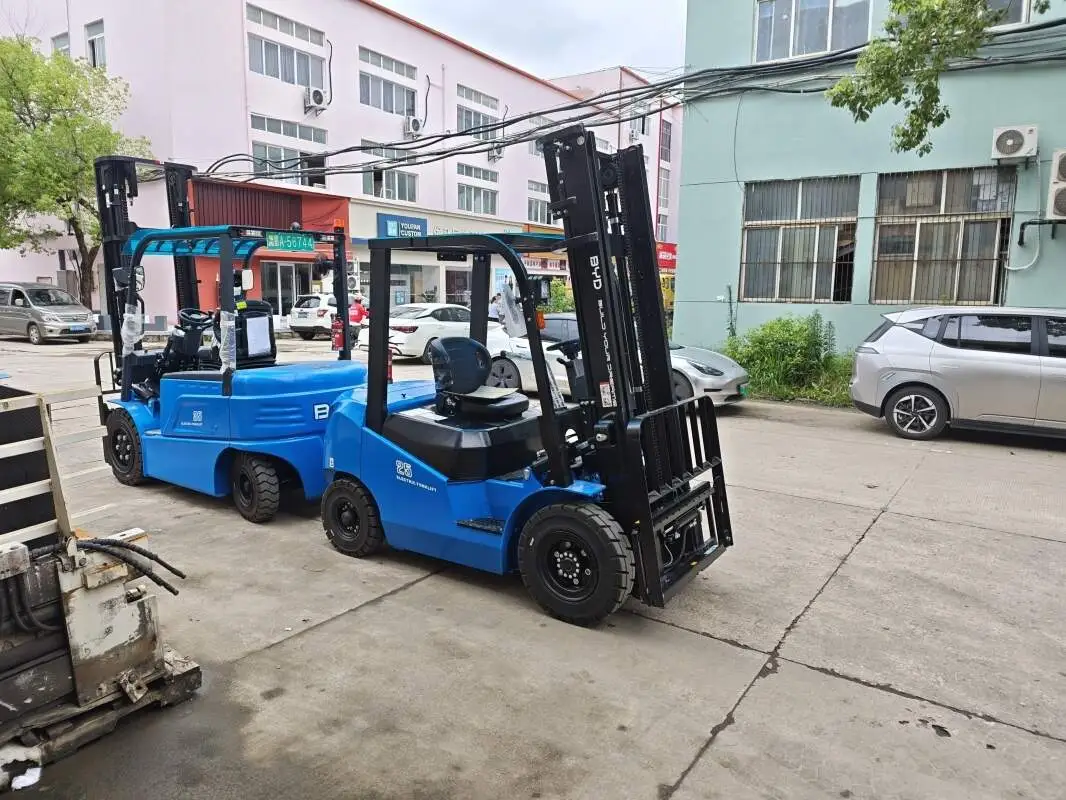
Short-term warehouse projects, such as seasonal inventory restocks, temporary storage expansions, or special event logistics, often present unique material handling challenges. Unlike long-term operations, these projects demand flexible, cost-effective solutions that don’t tie up capital in permanent equipment. Renting a stand-up forklift emerges as a strategic choice, addressing these needs while delivering a range of practical benefits.
Cost efficiency is one of the most compelling advantages of renting stand-up forklifts for short-term projects. Purchasing a new forklift requires a significant upfront investment, which may not be justifiable for a project that lasts only weeks or months. Rental eliminates this capital expenditure, allowing businesses to allocate funds to other critical project areas, such as inventory management or staff training. Additionally, rental agreements typically cover routine maintenance and repairs, reducing unexpected costs that can arise with owned equipment.
Enhanced maneuverability is another key benefit, especially in compact warehouse spaces common in short-term setups. Stand-up forklifts are designed with a smaller footprint and tighter turning radius compared to sit-down models, making them ideal for navigating narrow aisles and crowded storage areas. This agility translates to faster material movement, reducing downtime and improving overall operational efficiency. For short-term projects where every minute counts, this increased productivity can make a substantial difference in meeting project deadlines.
Flexibility in rental terms aligns perfectly with the variable timeline of short-term warehouse projects. Rental providers offer a range of duration options, from daily to monthly contracts, allowing businesses to rent equipment only for the exact period they need. This flexibility also extends to equipment selection; if project requirements change—such as needing a forklift with a higher load capacity—renters can easily switch to a more suitable model without the hassle of selling or reconfiguring owned equipment.
Avoiding long-term maintenance and storage burdens is an often-overlooked benefit. When a project ends, owned forklifts require ongoing storage, which can take up valuable warehouse space that could be used for other purposes. Maintenance tasks, such as battery charging, fluid checks, and part replacements, also continue to consume time and resources. Renting eliminates these post-project responsibilities, as the equipment is returned to the provider once the project concludes.
In conclusion, renting stand-up forklifts offers a tailored solution for short-term warehouse projects. From cost savings and improved maneuverability to flexible terms and reduced post-project burdens, these benefits make renting a smarter choice than purchasing for temporary material handling needs. By opting for a rental, businesses can focus on executing their project efficiently without the constraints of owning heavy equipment, ensuring optimal performance and resource allocation throughout the project’s duration.