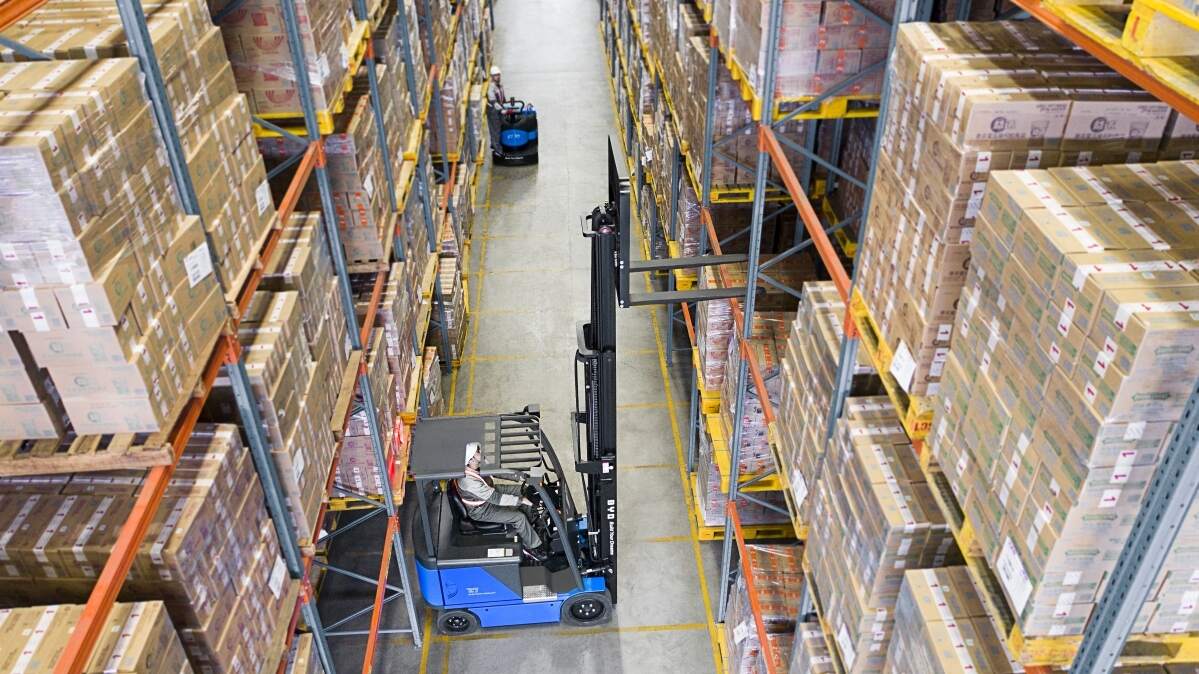
In busy warehouse environments, electric forklifts play a critical role in material handling efficiency, but their safe operation hinges on proper speed setting and adherence to safety limits. For Crown electric warehouse forklifts, configuring speed parameters appropriately and understanding built-in safety restrictions are essential steps to minimize accident risks and protect both personnel and assets.
Speed Setting Considerations for Different Warehouse Zones
Warehouse layouts vary widely, and speed settings should be tailored to specific areas to ensure safety. In wide, open aisles with low foot traffic, operators can adjust speeds to a moderate level to maintain productivity. However, in narrow passages, near high-traffic pedestrian areas, or around high-storage racks, speed must be reduced significantly. Crown electric forklifts offer customizable speed controls that allow facility managers to set zone-specific limits, ensuring operators automatically adjust their speed when entering restricted areas. This flexibility balances efficiency with safety, preventing collisions or tip-overs that could occur from excessive speed in tight spaces.
Key Safety Limits to Adhere To
Beyond speed, several safety limits are integrated into Crown electric warehouse forklifts to protect against operational hazards. Load capacity limits are one of the most critical; exceeding these can lead to unstable forklift balance, increasing the risk of tip-overs. Forklift operators must always verify the load weight against the forklift’s rated capacity before lifting. Additionally, lift height limits prevent operators from raising loads to unsafe heights that could compromise the forklift’s stability, especially when navigating uneven surfaces. Built-in safety systems also monitor battery voltage and temperature, triggering alerts or shutdowns if parameters fall outside safe ranges, preventing electrical malfunctions that could lead to accidents.
Implementing Speed and Safety Protocols
Setting appropriate speed parameters and safety limits is only effective if paired with proper training and regular maintenance. All forklift operators should receive comprehensive training on adjusting speed settings, understanding safety limits, and recognizing potential hazards in the warehouse. Facility managers should conduct regular inspections to ensure speed controls and safety systems are functioning correctly, updating settings as warehouse layouts or operational needs change. Ongoing monitoring, such as using telematics systems to track forklift speed and adherence to safety limits, helps identify areas where additional training or adjustments may be needed.
By prioritizing proper speed setting and strict adherence to safety limits for Crown electric warehouse forklifts, facilities can create a safer work environment while maintaining optimal material handling efficiency. Taking the time to customize speed settings for different zones, respect load and height limits, and invest in operator training and equipment maintenance will reduce accident risks and protect both employees and valuable assets in any warehouse operation.