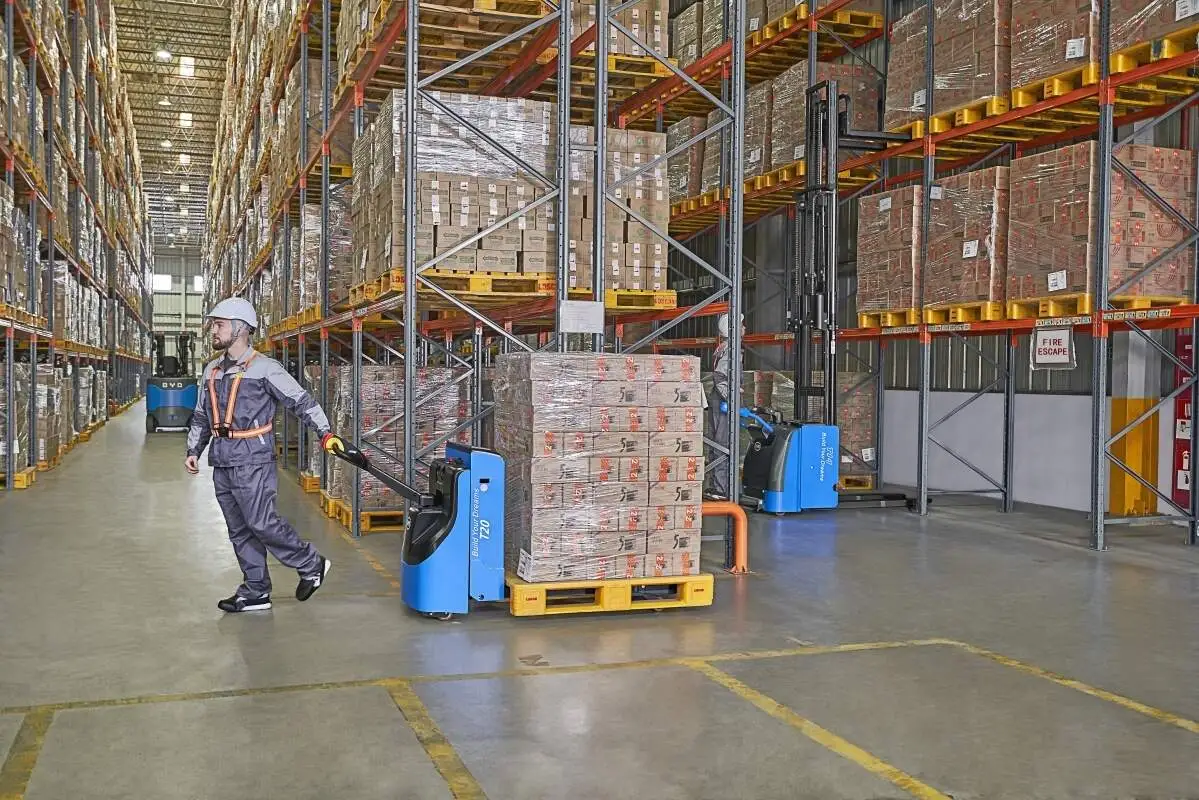
Under the Occupational Safety and Health Administration (OSHA) guidelines, daily forklift pre-checks are a non-negotiable component of workplace safety and regulatory compliance. Designed to identify potential equipment defects before they lead to accidents, these checks are mandatory for all trained forklift operators prior to each shift or equipment use. Skipping these steps not only violates OSHA regulations but also increases the risk of collisions, load drops, or mechanical failures that can harm workers and damage property.
The first phase of a daily pre-check focuses on exterior inspections. Operators must carefully examine the forklift’s tires for signs of excessive wear, cuts, or improper inflation—issues that can compromise stability during operation. Fork tines should be inspected for cracks, bends, or loose mounting hardware, as damaged tines may fail under load. Additionally, operators should check the vehicle’s body for dents, rust, or loose components, and verify that all safety lights (headlights, taillights, turn signals) and the horn are fully functional to ensure visibility and clear communication in busy work environments.
Next, operators move to mechanical system checks, which are critical for ensuring the forklift operates reliably. This includes verifying fluid levels for hydraulic oil, coolant, fuel, and brake fluid, as low levels can cause system failures. Operators must also inspect the forklift’s undercarriage and engine compartment for leaks, which could indicate a faulty seal or component. For electric forklifts, battery condition is a key focus—checking for corrosion on terminals, secure connections, and proper charge levels to prevent unexpected power loss during operation. The brake system should be tested for responsiveness, and steering functionality should be confirmed to ensure smooth, precise control.
Operational function tests are the final core component of the pre-check process. Operators must test the lifting and lowering mechanisms to ensure they operate smoothly without hesitation. Tilt functions and side-shift capabilities (if equipped) should also be verified to ensure proper load handling. The parking brake must engage securely, and all control levers should be tested for responsiveness and clear labeling. Operators should also confirm that the forklift’s load capacity plate is visible and legible, as exceeding rated capacity is a major OSHA violation and safety hazard.
OSHA guidelines also require thorough documentation of daily pre-checks. Operators must maintain a log of their inspections, noting any defects or issues identified. Any equipment found with significant defects must be removed from service immediately, and supervisors must be notified to arrange repairs. Only once the forklift has been inspected and cleared by a qualified technician can it be returned to operation.
Adhering to these standard requirements not only ensures compliance with OSHA regulations but also fosters a safer work environment. By catching potential issues early, daily pre-checks reduce the risk of workplace accidents, minimize equipment downtime, and extend the lifespan of forklift assets. All operators should receive regular training on OSHA’s pre-check guidelines to ensure consistent, thorough inspections every time.