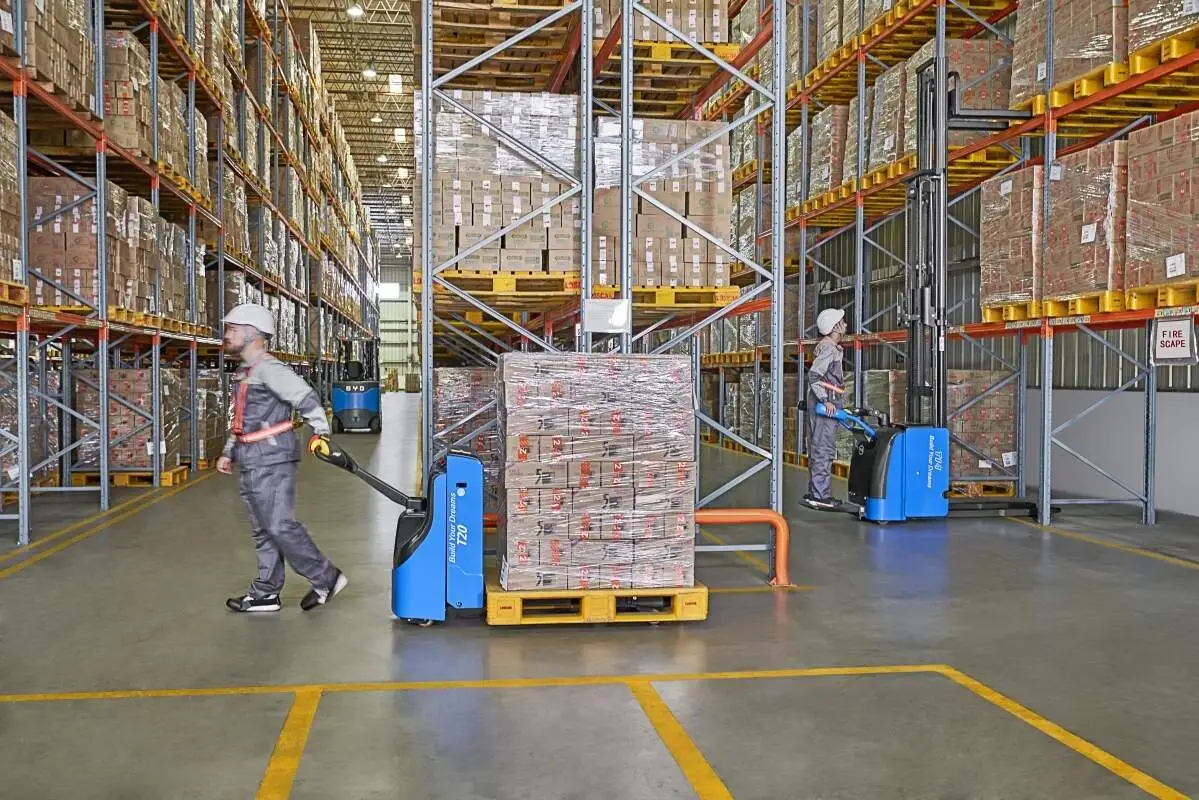
Forklifts are indispensable tools in warehouses, distribution centers, and manufacturing facilities, streamlining material handling operations. However, their heavy weight and maneuverability pose significant risks, leading to preventable workplace accidents that result in injuries, property damage, and operational downtime. Implementing consistent best practices is critical to mitigating these risks and fostering a safe work environment.
Comprehensive operator training forms the foundation of forklift safety. All operators must complete certified training programs that cover not only basic operating skills but also hazard recognition, load handling principles, and emergency response procedures. Regular refresher courses, conducted annually or following near-miss incidents, ensure operators stay updated on safety protocols and adapt to new workplace conditions. Training should also include practical assessments to verify operators can apply theoretical knowledge in real-world scenarios.
Pre-operation equipment inspections are a non-negotiable step to identify potential issues before they cause accidents. Before each shift, operators should perform a visual and functional check of key components: test brakes for responsiveness, inspect battery connections and fluid levels for electric forklifts, verify that lights, horns, and mirrors are in working order, and check tires for wear or damage. Any defects must be reported immediately, and the forklift should be taken out of service until repairs are completed. Documenting these inspections helps track equipment health and ensures accountability.
Optimizing the workplace environment is equally important to reduce accident risks. Clear, well-maintained pathways free of clutter, spilled materials, or obstructions allow forklifts to maneuver safely. Visible signage should mark speed limits, pedestrian zones, blind spots, and load capacity reminders. Installing mirrors at intersections or tight corners enhances visibility, while designated loading and unloading areas help organize traffic flow. Regular cleaning and maintenance of flooring prevent slips or skids that could cause forklifts to lose control.
Adhering to safe operating protocols during daily use is essential. Operators must never exceed the forklift’s rated load capacity, as overloading can lead to tip-overs. When turning, raising or lowering loads, or traveling over uneven surfaces, operators should reduce speed and maintain a stable center of gravity. Avoiding sudden starts, stops, or sharp turns minimizes the risk of load shifting or collisions. Operators should also never allow unauthorized personnel to ride on forklifts, and always yield to pedestrians in shared workspaces.
Finally, proactive maintenance and emergency preparedness complete the safety framework. Scheduled professional maintenance for electric forklifts ensures components like batteries and hydraulics function reliably. Workplaces should develop clear emergency response plans for accidents, including procedures for reporting incidents, providing first aid, and evacuating affected areas. All employees, not just operators, should be trained to recognize hazards and respond appropriately. Keeping first aid kits and fire extinguishers accessible near forklift operating areas adds an extra layer of protection.
By integrating these best practices into daily operations, businesses can significantly reduce forklift-related accidents, protect their workforce, and maintain efficient material handling processes. Prioritizing forklift safety is not just a regulatory requirement but a commitment to creating a secure and productive workplace for all.