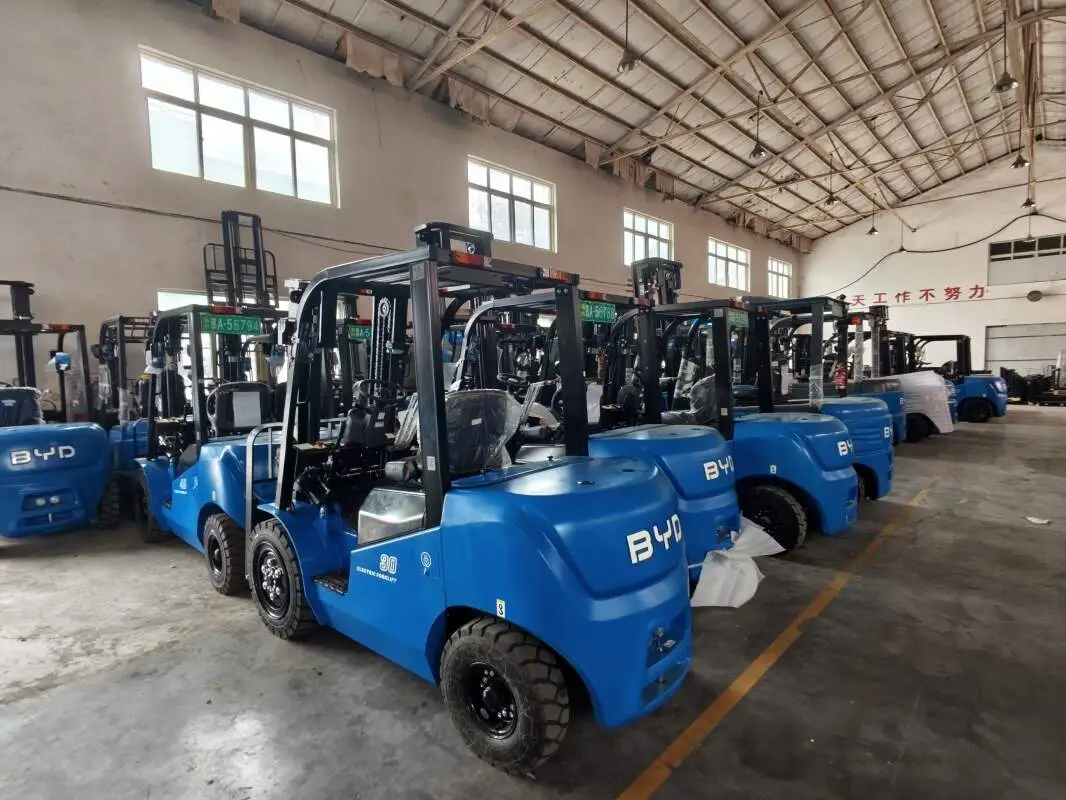
Load lifter forklifts are essential workhorses across diverse industrial settings, from busy warehouses and distribution centers to construction sites and manufacturing facilities. Choosing the right model requires careful consideration of your specific operational needs to ensure efficiency, safety, and long-term value. This buying guidance outlines key factors to evaluate when selecting a load lifter forklift for your work site.
Start by assessing your work site’s unique characteristics. Indoor environments like warehouses often demand compact models with tight turning radii to navigate narrow aisles and stacked inventory. Outdoor sites such as construction yards may require robust forklifts with durable tires to handle uneven terrain, gravel, or wet surfaces. Additionally, consider ceiling heights if operating in enclosed spaces, as this will dictate the maximum lift height needed for stacking materials.
Next, determine your load capacity requirements. Calculate the average and maximum weight of the materials you’ll be transporting regularly. Overloading a forklift can lead to safety hazards and equipment damage, so opt for a model with a load rating that exceeds your heaviest typical load by a reasonable margin. Also, think about load dimensions—longer or bulkier items may require extended fork lengths or specialized attachments to secure loads properly.
For electric load lifter forklifts, evaluate the power source and battery life. Indoor use often favors electric models due to zero emissions and quieter operation. Consider your daily runtime needs and ensure accessible charging stations are available on-site. Lithium-ion batteries offer faster charging and longer lifespans compared to lead-acid options, though they come with a higher upfront cost. Factor in replacement battery costs and charging time to avoid downtime during peak operational hours.
Prioritize maneuverability and safety features to protect both operators and workplace assets. Look for forklifts with responsive steering and adjustable controls to accommodate operators of varying skill levels. Essential safety features include seatbelts, overhead guard structures, load backrests, and audible warning alarms for pedestrian-dense areas. Some models also include stability control systems to reduce the risk of tip-overs when lifting heavy loads on uneven ground.
Finally, factor in long-term maintenance and operational costs. Regular servicing, such as battery checks, tire inspections, and hydraulic system maintenance, is critical to keep your forklift running reliably. Choose a model with readily available replacement parts to minimize downtime. Additionally, account for operator training costs—properly trained staff can reduce accident risks and extend the equipment’s overall lifespan.
By taking these key factors into account, you can select a load lifter forklift that aligns perfectly with your work site’s requirements, boosting daily productivity and fostering a safe working environment. Remember, the right forklift is a long-term investment that should support your operational goals for years to come.